
Phone:
(+971) 56 921 3754
Physical address:
Office #201, Al Quoz Industrial Area
Dubai, United Arab Emirates.
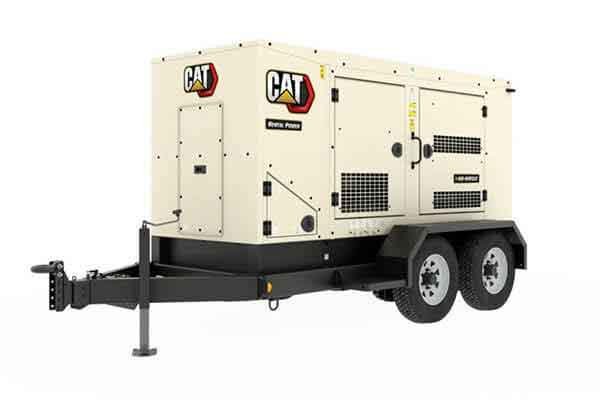
A sudden power outage can stop much more than the lights. For a business, the loss of electricity can interrupt production, shut down computer systems, stop HVAC equipment, affect refrigeration, delay construction work, and leave employees unable to continue normal operations.
This is why power continuity is an important part of business planning. While some facilities have permanently installed standby generators, many businesses also need a flexible solution when their existing backup system is unavailable, when temporary power demand increases, or when an unexpected outage occurs.
Rental generators provide temporary electrical power that can help businesses continue operating during power outages.
A properly planned generator rental is not simply about placing a generator outside a building and switching it on. The process may involve assessing the electrical load, identifying critical equipment, selecting the correct generator capacity, arranging safe connections, planning fuel requirements, and monitoring the equipment throughout the rental period.
This guide explains how rental generators can help prevent business downtime, when temporary power may be required, and what businesses should consider when planning an emergency generator rental.
What Is Business Downtime?
Business downtime is any period when normal operations are interrupted or unavailable. A power outage is one possible cause, but downtime can also result from electrical maintenance, generator failure, equipment problems, construction delays, or temporary utility limitations.
The effect of downtime depends on the type of business.
For example, a manufacturing facility may experience production delays when machinery loses power. A warehouse may lose lighting, ventilation, or critical systems. A construction project may have equipment standing idle while workers wait for power. A data-dependent office may lose access to servers, communications, or other essential systems.
Businesses that depend on refrigeration or controlled temperatures can face additional risks when cooling equipment stops operating. According to CDC guidance on power outages, refrigerated and frozen food can become unsafe after extended loss of power, which shows why backup power planning can be particularly important for food-related operations.
The cost of downtime is therefore not always limited to the electricity that has been lost. A power interruption may also affect:
- Employee productivity
- Production schedules
- Project deadlines
The longer an interruption continues, the more likely it is that the business will need a structured recovery process.
How Rental Generators Help Prevent Business Downtime
Rental generators help by providing an alternative source of electricity when the normal power supply is unavailable, insufficient, or temporarily disconnected.
The basic principle is simple: identify the electrical equipment that must continue operating and provide a generator system capable of supporting the required load.
Depending on the application, the rental generator may support the entire facility or only selected critical loads.
For example, a business may decide that it does not need to power every electrical device during an outage. Instead, it may prioritize essential systems such as:
- Production equipment
- Server rooms
- Emergency lighting
- Refrigeration systems
- Pumps
This approach can reduce the amount of generator capacity required and help businesses focus available power on the systems that matter most.
A business continuity plan does not always require every load to remain operational. In many cases, maintaining critical functions while non-essential equipment remains offline is a practical way to reduce the operational impact of a power outage.
1. Rental Generators Provide Emergency Power During Unexpected Outages
One of the most common uses of an emergency generator rental is responding to an unexpected loss of utility power.
When the main power supply fails, a business may need temporary power while the electrical problem is investigated or while waiting for the utility supply to return.
A rental generator can act as a temporary backup power source during this period.
The speed of recovery depends on several factors, including:
- Generator availability
- Required generator capacity
- Site access
- Electrical connection requirements
- Cable requirements
- Fuel availability
- Whether an appropriate transfer or isolation arrangement is already in place
For this reason, businesses should not wait until an emergency occurs to determine what size generator they need.
A basic emergency power plan can identify critical loads in advance and document the type of temporary power equipment that may be required. This can make it easier to respond when an actual outage occurs.
2. Rental Generators Keep Operations Running During Planned Electrical Shutdowns
Not all power interruptions are unexpected.
Businesses may need to shut down electrical systems for maintenance, upgrades, testing, repairs, or construction work. During these planned shutdowns, a rental generator can provide temporary power so that selected operations can continue.
For example, a facility may be carrying out electrical maintenance on a section of its infrastructure while still needing to keep other critical systems operational.
In these situations, the rental generator acts as a bridge between the existing power supply and the restored or upgraded system.
This is one reason generator rental can support business continuity even when there has been no emergency or utility failure.
3. Rental Generators Provide Backup When a Permanent Generator Fails
Many businesses already own a standby generator. However, owning a generator does not completely eliminate the possibility of downtime.
A permanently installed generator may require repairs, maintenance, testing, or replacement. If it becomes unavailable at the same time that the facility needs backup power, the business may have a significant gap in its emergency power strategy.
A rental generator can temporarily replace the unavailable unit.
Rather than operating without backup protection while the permanent generator is out of service, the business may arrange temporary power for the required period.
The exact connection method should be assessed by qualified electrical professionals because the generator, cables, distribution equipment, and building electrical system must be suitable for the intended arrangement.
4. Temporary Power Can Support Businesses During Utility Connection Delays
Construction projects and new facilities may be ready to begin work before permanent utility power is fully available.
In these situations, a rental generator can provide temporary power for the site.
Temporary power allows work to continue while the permanent electrical infrastructure is being completed.
For project managers, this can reduce the risk of having equipment and workers waiting on site without access to the electricity required to continue planned activities.
The required generator size should be based on the actual load and the starting characteristics of the equipment rather than simply adding together nameplate ratings.
5. Rental Generators Help Businesses Handle Temporary Increases in Power Demand
A business may have access to utility power but still require additional temporary capacity.
Instead of purchasing a permanent generator for a short-term requirement, a business may use generator rental as a flexible source of additional power.
The rental period can be matched to the duration of the project, whether that requirement lasts for a few days, several weeks, or longer.
This flexibility is one of the main advantages of temporary power solutions.
How the Rental Generator Process Works
Although every project is different, a professional generator rental process generally follows several stages.
Step 1: Identify the Power Requirement
The first step is determining what needs to remain operational.
A business should identify its critical electrical loads and separate them from non-essential equipment.
This information helps determine the type and capacity of the generator system.
Step 2: Select the Appropriate Generator Capacity
Generator sizing is more complicated than simply choosing the largest available unit.
An undersized generator may struggle to support the required load. An incorrectly selected system can also create operational problems.
The generator must be assessed according to the site’s electrical requirements and the characteristics of connected equipment.
Large motors, pumps, compressors, and other equipment can have starting demands that differ significantly from their normal running load.
Correct load assessment is an important part of reducing the risk of downtime.
Step 3: Plan the Electrical Connection
The generator must be connected safely to the equipment or electrical system it is intended to support.
This may involve temporary distribution equipment, rated cables, changeover equipment, or other electrical infrastructure depending on the application.
A generator should not simply be connected to a building electrical system without proper engineering and isolation arrangements.
Incorrect connections can create serious electrical hazards, including backfeed.
For this reason, temporary generator installations should be planned and carried out by qualified personnel according to the applicable local requirements and the specific site conditions.
Step 4: Deliver and Commission the Temporary Power System
After the equipment arrives on site, the system may need to be positioned, connected, checked, and tested before it is placed into service.
The complexity of the installation depends on the generator capacity and the facility being supported.
Step 5: Manage Fuel and Ongoing Operation
A generator can only continue providing power while it has sufficient fuel and remains in proper operating condition.
Fuel planning is particularly important for extended outages.
The amount of fuel required depends on the generator model, load level, operating conditions, and expected runtime. Businesses should therefore avoid assuming that every generator has the same fuel consumption.
Step 6: Maintain and Monitor the System
A rental generator used for an extended period should be monitored and maintained according to the equipment requirements.
Preventive maintenance helps reduce the risk of the temporary power system itself becoming another source of downtime.
Why Generator Sizing Is Critical for Business Continuity
Choosing the wrong generator can defeat the purpose of having backup power.
If the generator is too small, it may not support all required loads. If critical equipment starts at the same time, the temporary power system may experience excessive demand.
A proper sizing assessment should consider both continuous operating requirements and temporary starting loads.
Businesses should also decide whether they need:
Full-Facility Backup
The generator supports most or all of the electrical systems in the facility.
Critical-Load Backup
Only selected essential equipment is connected to the temporary power system.
For many businesses, critical-load backup can be a practical option because it focuses available capacity on the equipment required to maintain core operations.
The best approach depends on the business, the type of outage, the available budget, and the importance of each electrical load.
Industries That Can Benefit From Rental Generators
Rental generators are used across a wide range of industries because temporary power requirements are not limited to one type of business.
Construction
Construction sites may need power before permanent electrical infrastructure is available. Temporary generators can support site operations and equipment during different stages of the project.
Manufacturing
A production interruption can affect schedules, equipment utilization, and deliveries. Temporary power may help maintain selected operations during outages or electrical maintenance.
Warehouses and Logistics
Warehouses may depend on lighting, communications, loading equipment, security systems, and temperature-controlled areas.
A backup power strategy can help protect critical functions during an interruption.
Hotels and Commercial Buildings
Hotels and commercial facilities may need to maintain selected systems during electrical problems, maintenance, or temporary increases in demand.
Data and Communication Facilities
Facilities that depend heavily on electronic systems may use multiple layers of power protection, depending on their operational requirements. A rental generator can provide temporary support when permanent power equipment is unavailable or additional capacity is required.
Events
Events often operate in locations where permanent electrical infrastructure is limited or insufficient. Generator rental can provide primary or backup power for temporary installations.
Food and Temperature-Controlled Operations
Power interruptions can affect refrigeration and cooling systems. Businesses handling temperature-sensitive products may therefore need a rapid response plan for maintaining essential equipment.
Rental Generators and Business Continuity Planning
The most effective use of a rental generator begins before the power outage occurs.
A business continuity plan should identify how the organization will respond if the normal electrical supply becomes unavailable.
A basic power continuity plan can include:
- A list of critical electrical loads
- Required generator capacity
- Electrical specifications
- Site access information
- Preferred generator connection points
Having this information available in advance can reduce delays during an emergency.
Ready.gov’s business power-outage guidance similarly emphasizes prioritizing critical systems because providing backup power for every system may not always be practical.
The goal is not necessarily to operate the entire business exactly as normal during an outage. The goal is to maintain the functions that are most important until normal power is restored.
Rental Generators for UAE Business Operations
Businesses operating in the UAE may have additional practical considerations when planning temporary power.
High ambient temperatures, outdoor working conditions, dust, and demanding industrial environments can affect equipment planning and maintenance requirements.
Temporary power installations should therefore consider:
- Site temperature
- Ventilation requirements
- Generator positioning
- Cable protection
- Access for fuel delivery
- Equipment maintenance
Dubai Electricity and Water Authority has also published requirements addressing backup arrangements for unforeseen power interruptions in certain projects, including provisions relating to connecting external mobile generators and access for their transportation and positioning.
This highlights an important point: emergency generator planning can involve more than choosing a generator. Site infrastructure and connection arrangements may need to be considered in advance.
Safety Considerations for Temporary Generator Power
Preventing business downtime should never mean ignoring electrical safety.
Generators and temporary power systems involve electrical, mechanical, fuel, exhaust, noise, and fire-related hazards.
Key safety considerations include:
- Using appropriately rated equipment
- Avoiding generator overload
- Ensuring proper electrical isolation
- Preventing hazardous backfeed
- Following manufacturer requirements
- Using qualified personnel for electrical work
OSHA guidance specifically warns against improperly connecting portable generators to building electrical systems and highlights the importance of proper isolation and transfer arrangements.
The exact safety requirements will depend on the location, equipment, installation type, and applicable local regulations.
Rental Generator vs Buying a Generator for Downtime Prevention
Buying a generator may make sense when a business has a long-term and predictable need for permanent backup power.
However, rental generators can be more suitable when the requirement is temporary or uncertain.
Generator rental may be useful when:
- The outage is temporary
- A permanent generator is under repair
- A project has a defined duration
- Additional power is needed temporarily
- The business needs emergency capacity
A purchased generator can provide a long-term solution, while a rental generator provides flexibility.
In some situations, businesses may use both. A facility may have a permanent standby generator while also arranging temporary rental power during maintenance, repairs, major expansions, or periods of increased demand.
How to Prepare Before You Need an Emergency Generator Rental
The best time to plan for emergency power is before an outage happens.
Businesses can prepare by completing the following steps.
Identify Critical Loads
Determine which equipment is essential to maintaining operations.
Document Electrical Requirements
Record voltage, phase, frequency, load information, and important equipment details.
Assess Generator Capacity
Have a qualified professional assess the temporary power requirement.
Review Site Access
Ensure there is practical access for generator delivery, positioning, cables, and fuel support.
Plan the Connection
Identify suitable connection or changeover arrangements before an emergency occurs.
Consider Fuel Requirements
Estimate how long the business may need to operate on temporary power and plan fuel logistics accordingly.
Establish an Emergency Contact Process
Know who is responsible for authorizing and coordinating emergency power.
These steps can help reduce the time between identifying a power problem and restoring critical operations.
Frequently Asked Questions
Can a rental generator power an entire business?
It depends on the electrical load and the generator capacity. Some businesses may require full-facility backup, while others may choose to power only critical equipment during an outage.
How quickly can a rental generator be deployed?
Deployment time depends on generator availability, location, site access, required capacity, electrical connection requirements, and project complexity. Businesses should avoid assuming that every emergency installation can be completed within a fixed number of hours.
Can a rental generator replace a failed standby generator?
Yes, a temporary generator can potentially provide backup while a permanent generator is being repaired, maintained, or replaced, provided the temporary system is correctly sized and safely connected.
What size rental generator does my business need?
The required size depends on the electrical load, starting requirements of connected equipment, voltage, phase, power factor, and other site-specific factors. A proper load assessment is recommended.
Can rental generators be used for planned maintenance?
Yes. Temporary generators can support selected operations during planned electrical shutdowns, maintenance work, upgrades, and equipment replacement.
Do rental generators require fuel management?
For extended operation, yes. Fuel consumption depends on the generator model, operating load, and runtime. Fuel planning and monitoring are important for maintaining uninterrupted operations.