Phone:
(701)814-6992
Physical address:
6296 Donnelly Plaza
Ratkeville, Bahamas.

Phone:
(701)814-6992
Physical address:
6296 Donnelly Plaza
Ratkeville, Bahamas.
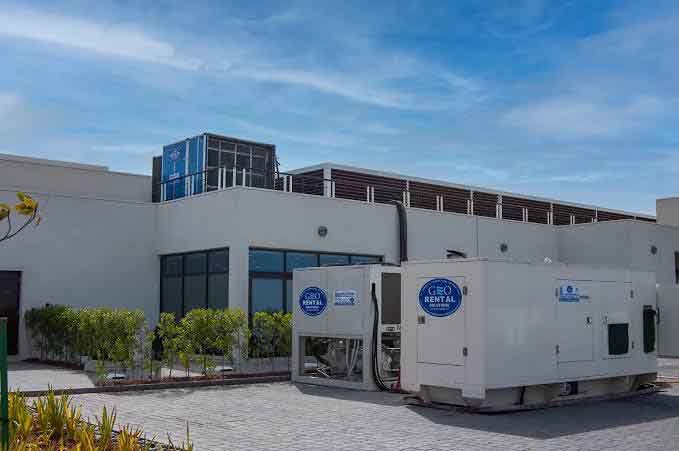
Hotels operate around the clock, which makes dependable electricity essential. Guest rooms, air-conditioning systems, lifts, kitchens, refrigeration, security systems, lighting, IT equipment, water pumps and other services can all depend on continuous power. A mains failure can therefore affect both hotel operations and the guest experience.
For hotels in the UAE, generator rental solutions can provide temporary or emergency power without requiring the hotel to purchase and permanently install additional generating equipment. Rental generators can be useful during planned electrical work, generator maintenance, renovation projects, temporary increases in demand, equipment failures or other situations where additional power capacity is required.
However, choosing a generator for a hotel is not simply a matter of selecting the highest kVA available. Capacity, load characteristics, generator rating, fuel consumption, automatic transfer, installation, maintenance and local authority requirements all need to be considered.
A hotel has a different power profile from many ordinary commercial buildings because several systems can operate simultaneously and some services may be essential during an electrical interruption.
Dubai’s published power-supply guidance states that backup generators for major projects should be capable of supporting functions such as lighting, elevators, escalators, automatic doors, surveillance cameras, alarm systems and fire and safety equipment. The Dubai Building Code also identifies standby-generator loads including elevators, security and CCTV systems, alarms, BMS systems, stairways, entrances, control rooms, data centres and electrical rooms.
For hotels, this makes generator planning particularly important. The generator may need to support only designated essential loads rather than every electrical load in the property.
Rental generators can also be useful when:
An existing standby generator is undergoing maintenance
A permanent generator has failed
A hotel is being renovated or expanded
Temporary electrical capacity is needed
Electrical infrastructure is being upgraded
A hotel requires additional power for an event or temporary facility
A backup system is required while permanent equipment is being installed
The correct solution depends on the hotel’s electrical load and the purpose for which the generator will be used.
Generator capacity is normally expressed in kVA or kW, but the number on the generator’s nameplate should not be selected without understanding the hotel’s actual electrical requirements.
The first step is to prepare a load schedule covering the equipment that must remain operational during a power interruption.
Depending on the hotel’s emergency-power strategy, this can include:
Emergency and selected general lighting
Elevators and associated controls
Fire and life-safety systems
Security and access-control systems
CCTV
IT and communications equipment
Pumps
Refrigeration
Selected HVAC equipment
Kitchen equipment
Building management systems
Guest-room essential services
Other critical electrical loads
Dubai’s Building Code specifically distinguishes standby electrical loads from non-essential services, meaning a hotel should establish which loads are intended to operate from the standby supply instead of automatically assuming that the entire building must be powered.
A generator must also cope with equipment that creates a high starting demand.
Motors used by pumps, elevators, compressors and HVAC equipment can require substantially different electrical conditions during starting compared with normal operation. Consequently, simply adding the running wattage of connected equipment may not provide an adequate generator-selection method.
The rental provider should evaluate:
This helps avoid both under-sizing and unnecessary oversizing.
One of the most important parts of selecting a rental generator is understanding its rating.
ISO 8528-1 establishes classifications for generating sets used in standby, continuous and peak-load applications. The standard also notes that specific applications, including high-rise buildings, may require supplementary requirements.
Manufacturers commonly distinguish between standby, emergency standby, prime and continuous ratings. Caterpillar, for example, explains that rating selection should consider the application’s average load factor, maximum load, annual operating hours and whether the generator operates independently or in parallel with the utility.
For a hotel, the distinction matters because a generator intended for occasional emergency operation should not automatically be treated as a continuous-duty power source.
Before signing a rental agreement, ask the supplier:
Is the quoted capacity a standby, emergency standby or prime rating?
What operating hours does the rating permit?
What average load factor applies?
Is the generator suitable for the intended duty?
Can it handle the hotel’s motor-starting requirements?
Is synchronization or paralleling required?
What happens if the load increases during the rental period?
A generator with a large nameplate rating is not necessarily the best choice if its rating does not match the hotel’s actual operating requirements.
Fuel is one of the most important operating considerations when a rental generator runs for an extended period.
Fuel consumption does not remain constant regardless of electrical load. A generator operating at different load levels can have significantly different fuel requirements, so a supplier should provide fuel-consumption information for the expected operating conditions rather than quoting one generic figure.
When comparing rental generators, request manufacturer fuel-consumption data at several load points, such as:
25% load
50% load
75% load
100% load
The actual values depend on the engine, generator model and operating conditions, so published manufacturer data should be used rather than assuming that every generator of the same kVA rating consumes the same amount of diesel.
Load management is also important. Caterpillar’s guidance shows that generator ratings are linked to permissible average load factors and operating hours. Its standby-rating guidance, for example, uses an average load factor of no more than 70% of nameplate capacity under its stated rating definitions.
For a hotel, this means the objective should not simply be to rent the largest generator available. A correctly sized system can provide the required power while avoiding the operational disadvantages associated with inappropriate sizing.
Fuel efficiency and fuel autonomy are related but not identical.
A hotel should determine how long the generator needs to operate before refuelling. This could be based on:
Expected outage duration
Required emergency autonomy
Generator load
Fuel-tank capacity
Fuel-delivery arrangements
Site access
Operating restrictions
Rental-provider refuelling services
For a critical hotel operation, fuel planning should form part of the overall emergency-power plan rather than being treated as an afterthought.
The rental company should clearly state the expected runtime under the hotel’s anticipated load and explain how fuel replenishment will be managed during a prolonged outage.
A reliable hotel generator solution involves much more than the generator itself.
The complete temporary power system can include:
Generator + automatic transfer equipment + cables + distribution equipment + fuel system + protection + monitoring + installation + maintenance + technical support
If one part of that system is poorly planned, the generator may not deliver the expected result.
Dubai’s Building Code states that standby generators must be properly coordinated with the electrical installation and includes requirements concerning changeover arrangements and prevention of paralleling generator supply with the DEWA supply. It also states that generator installation requires prior DEWA approval in the circumstances covered by the code.
This is why hotels should discuss the complete connection arrangement with the rental provider and their electrical consultant rather than treating the generator as a standalone piece of equipment.
Hotels generally cannot depend on manual intervention when an electrical interruption occurs.
An automatic transfer system can detect loss of the normal supply and transfer designated loads to the generator according to the approved electrical design.
For a hotel, this can be important for maintaining continuity of selected services such as emergency lighting, security, elevators and other critical systems.
The exact transfer arrangement should be compatible with the hotel’s existing electrical infrastructure and applicable authority requirements.
Hotels in Dubai operate within a regulated building and fire-safety environment.
Dubai’s current Civil Defence legislation identifies hotels and hotel apartments as establishments covered by the Civil Defence framework and requires owners of establishments to maintain fire-prevention systems and comply with applicable preventive-safety requirements.
Dubai’s Building Code also contains specific provisions concerning standby generators, generator rooms, changeover arrangements and connections to the electrical system.
Therefore, hotels should not assume that a generator can simply be delivered and connected wherever space is available.
Depending on the project and emirate, requirements can involve:
Electrical approvals
Civil Defence requirements
Generator location
Ventilation
Exhaust arrangements
Noise considerations
Fuel storage
Cable routing
Fire protection
Earthing
Changeover equipment
Access for installation and maintenance
Requirements can vary by emirate and project, so the hotel and rental provider should confirm the applicable authority requirements before installation.
The UAE’s hot climate can affect temporary power equipment and the conditions in which it operates.
The generator location should provide suitable ventilation and allow hot air and exhaust gases to be safely managed. The supplier should also confirm that the generator’s rated performance is appropriate for the actual site conditions.
The hotel should provide the rental company with information such as:
Installation location
Available access route
Electrical connection point
Required cable distance
Expected load
Operating schedule
Fuel requirements
Environmental conditions
Noise restrictions
Required rental period
Providing accurate site information before delivery can reduce installation problems and delays.
The answer depends on the hotel’s load profile and reliability requirements.
A single large generator can provide a straightforward solution where the required load is well defined. However, multiple generators can provide greater flexibility in certain applications.
For example, two appropriately configured generators can potentially allow capacity to be staged according to demand, while a multi-generator arrangement can also provide operational flexibility when maintenance or temporary capacity changes are required.
However, multiple generators introduce additional requirements, including synchronization, switchgear, controls, space and cable management.
The decision should therefore be based on the hotel’s actual load profile rather than assuming that more generators automatically mean greater reliability.
A rental generator may be temporarily installed, but it still requires proper maintenance.
The rental agreement should clearly establish who is responsible for:
Preventive maintenance
Oil and filter servicing
Battery checks
Coolant checks
Fuel-system inspection
Load-bank testing where appropriate
Emergency call-outs
Fault diagnosis
Replacement equipment
Refuelling
24/7 technical support
DEWA’s guidance for major projects specifically emphasizes proper generator maintenance so that backup equipment works when required.
For a hotel, maintenance support is particularly important because an emergency generator that cannot start during an outage provides no practical protection.
Testing should be completed before the hotel faces a real power interruption.
A suitable commissioning and testing process can verify:
Generator start-up
Automatic transfer operation
Voltage and frequency
Load response
Emergency shutdown functions
Fuel-system operation
Cable connections
Protection systems
Communication and monitoring
Operation of designated critical loads
The test procedure should be coordinated with the hotel’s electrical team and relevant specialists.
ISO 8528 covers generator-set application, ratings and performance, while ISO 8528-5:2025 provides design and performance criteria for the generating-set combination of engine and AC generator.
The cheapest daily rental rate should not automatically determine the supplier.
Hotels should compare the complete service package, including:
Check the actual kVA/kW requirement and starting loads rather than selecting equipment based only on the hotel’s total connected load.
Confirm whether the generator is suitable for standby, emergency, prime or another required operating mode.
Ask for manufacturer fuel-consumption data at realistic load levels.
Confirm tank capacity and the supplier’s refuelling arrangements.
Verify compatibility with the hotel’s existing electrical system.
Ask whether the generator is regularly inspected, serviced and tested before deployment.
A hotel may require assistance at any time, so response times and emergency support should be clearly defined.
Confirm whether delivery, positioning, cabling, distribution equipment, connection and removal are included.
Confirm that the proposed installation can meet the applicable local electrical, fire and safety requirements.
For particularly critical operations, discuss whether a second generator or replacement unit should be available as part of the contingency plan.
Before approving a rental, hotel management or engineering teams should ask:
What is the required emergency load?
What is the maximum starting load?
What generator rating is being offered?
What is the expected fuel consumption at the hotel’s actual load?
How many hours can the generator operate between refuelling?
Is automatic transfer included?
Are cables and distribution equipment included?
Who will install and commission the system?
Who handles maintenance?
Is 24/7 emergency support available?
What authority approvals are required?
What happens if the generator develops a fault?
Is a replacement generator available?
What is included in the rental price?
Are fuel, transport, installation and removal charged separately?
Getting these details in writing makes it easier to compare rental proposals accurately.
For UAE hotels, temporary generator rental can be a practical way to maintain essential electrical services without permanently expanding the hotel’s installed generation capacity.
The most suitable solution depends on the hotel’s actual load, required operating hours, generator rating, fuel requirements, connection arrangement and reliability objectives. Dubai guidance also demonstrates that standby power for major buildings involves specific electrical and safety considerations rather than simply connecting a generator to the building.
A well-planned rental solution should therefore combine correct capacity, appropriate generator rating, controlled fuel consumption, adequate fuel autonomy, automatic transfer, professional installation and responsive maintenance support.
Hotels in the UAE cannot afford to treat backup power as simply another equipment rental. Electrical interruptions can affect guest comfort, elevators, security, communications, refrigeration, HVAC and other essential services.
The right generator rental solution starts with an accurate assessment of the hotel’s critical electrical loads. From there, the hotel should select an appropriate generator rating, compare fuel consumption at realistic load levels, plan sufficient fuel autonomy and ensure that the temporary installation meets applicable electrical and safety requirements.
For Dubai properties in particular, DEWA and Dubai Building Code requirements should be considered as part of the planning process.
Ultimately, the best generator is not necessarily the biggest or the cheapest. It is the generator system that can deliver the required power reliably, operate efficiently under the expected load and receive the technical support needed throughout the rental period.
I based the technical and regulatory portions primarily on ISO 8528, DEWA guidance, the Dubai Building Code, Dubai Civil Defence legislation, and current generator-rating guidance from Caterpillar, rather than relying solely on rental-company marketing material.