Phone:
(701)814-6992
Physical address:
6296 Donnelly Plaza
Ratkeville, Bahamas.

Phone:
(701)814-6992
Physical address:
6296 Donnelly Plaza
Ratkeville, Bahamas.
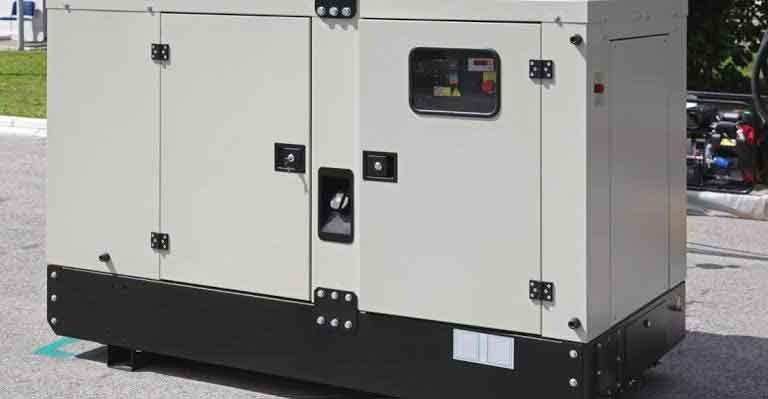
A sudden power interruption can create much bigger problems for a business than simply turning off the lights. Computers, servers, pumps, refrigeration systems, production equipment, security systems, elevators, air-conditioning equipment and other essential loads can stop operating when the normal electricity supply is unavailable.
For businesses that cannot afford a prolonged interruption, services provide a temporary source of electrical power without requiring the company to purchase a permanent generator.
An emergency rental generator is generally a diesel-powered generating set supplied for situations where normal electrical power is unavailable, unreliable, interrupted, Emergency Generator Rental UAE or temporarily insufficient. Depending on the application, a rental setup can be used for an unexpected outage, planned electrical maintenance, construction activity, facility shutdown, event, industrial operation, or another temporary power requirement.
Generator rental providers operating in the UAE commonly supply diesel generators in different capacities and may provide associated equipment such as distribution boards, cables, changeover systems, fuel tanks, synchronization equipment, installation and technical support. Current UAE rental-market offerings range from smaller commercial units to high-capacity industrial generator systems.
But emergency generator rental is not simply about bringing a generator to a site. The generator has to be correctly sized, safely connected, tested and operated according to the requirements of the particular facility.
Emergency Rental generator in the UAE means temporarily hiring a generator and the related power equipment required to provide electricity when the normal power source is unavailable or cannot adequately support the required loads.
Unlike purchasing a generator, rental allows a business to obtain temporary generating capacity for the period it actually needs it. This can be useful when a power interruption is unexpected, when permanent equipment is being repaired, or when a business needs additional power only for a particular project.
Diesel generators are widely used for temporary and backup applications because they can operate independently of the utility grid and can be deployed for commercial, construction, industrial, event and other applications. UAE rental providers currently advertise diesel generator fleets covering a broad range of capacities and applications.
Emergency rental power should also be distinguished from a permanent standby-generator installation. A permanent standby system is designed as part of a building’s electrical and life-safety infrastructure. A rental generator, by contrast, is normally a temporary solution that can be brought to a site when additional or replacement power is required.
This distinction becomes particularly important for facilities where emergency power is connected to life-safety systems. Dubai Civil Defence guidance identifies standby power requirements for certain facilities and specifies connections for systems such as fire pumps, smoke-control systems, emergency command-centre equipment, lighting and elevators.
Therefore, businesses should not assume that any rented generator can automatically replace a permanent emergency-power system. The electrical design, connection method, safety requirements and applicable authority approvals depend on the facility and intended use.
The UAE has a highly developed electricity network, but businesses can still encounter situations where temporary power is necessary.
A power interruption may result from equipment faults, planned electrical work, damage to electrical infrastructure, construction activity, facility modifications or other circumstances. The UAE Government provides specific channels for reporting electricity failures, including DEWA’s electricity emergency service in Dubai and equivalent services for other Emirates.
For a business, the important question is not only why the interruption happened but what happens to the operation while the electricity is unavailable.
A restaurant may lose refrigeration and kitchen operations. A warehouse may have temperature-sensitive inventory at risk. A construction project may have pumps, lighting and power tools that cannot operate. A manufacturing facility may have to stop production. An office may lose access to servers and essential IT equipment.
Emergency generator rental provides a temporary way to maintain selected critical loads while the normal electricity supply is restored or while permanent electrical work is completed.
There is no single type of company that needs emergency generator rental. The decision depends mainly on how much disruption a power interruption could cause.
The most obvious application is an unplanned outage.
If a business loses its normal electrical supply and does not have enough permanent backup capacity, a rental generator can provide temporary power while the utility problem is being resolved.
This is particularly relevant to operations where even a relatively short interruption can affect productivity, security, refrigeration, communications or critical equipment.
The UAE Government provides dedicated electricity-failure contacts for different Emirates, including DEWA in Dubai, Abu Dhabi Distribution Company in Abu Dhabi, SEWA in Sharjah and EtihadWE for other areas.
A generator rental should therefore be viewed as a business-continuity measure rather than a replacement for reporting and resolving the underlying utility fault.
Emergency-style generator rental can also be useful when a business knows in advance that its normal electrical supply will be interrupted.
For example, a facility may need to isolate electrical equipment or carry out work on its internal electrical infrastructure. DEWA’s temporary power-disconnection service covers situations such as annual or in-house maintenance and equipment replacement and requires supporting documentation such as a methodology statement, risk assessment and single-line diagram for the relevant request.
In such circumstances, a temporary generator can be planned as part of the facility’s continuity strategy.
Planning is preferable to waiting until the power is already off because the business can calculate its load, prepare the connection point, arrange fuel and confirm access before the shutdown begins.
Construction projects are another major application for temporary generators.
A construction site may require electricity before permanent utility power is available. Generators can supply temporary site offices, lighting, pumps, power tools and other electrically powered equipment.
Sparkline Group’s UAE construction guidance identifies generators as useful for site offices, welfare facilities, lighting, electric equipment and backup power when grid electricity is unavailable. It also highlights the importance of reviewing peak-load conditions instead of sizing a generator only around typical daily consumption.
For a project that already has grid electricity, a standby rental generator can also provide additional protection for critical equipment during an interruption.
Industrial facilities can face significant costs when production stops unexpectedly.
A temporary generator may help maintain selected equipment while an electrical fault, generator failure or maintenance issue is being addressed.
However, industrial facilities should pay particular attention to starting currents, motor loads, harmonics, power-factor requirements and the consequences of an interruption. A generator should be selected according to the actual electrical characteristics of the loads rather than simply choosing a capacity based on the total connected kW.
Events can also require temporary or emergency power.
Exhibitions, outdoor events, temporary venues and production sites may have lighting, audio equipment, catering equipment, cooling systems, screens and other electrical loads that need reliable power.
Generator rental companies in the UAE commonly list events and exhibitions among their applications.
For events, noise, placement, fuel arrangements, cable routing and safe distribution are especially important because generators may operate close to guests, staff or temporary structures.
Offices may not require enough generator capacity to operate every electrical load during an outage.
A more practical strategy can be to identify critical loads first. These might include essential IT equipment, network infrastructure, security systems, emergency lighting or other business-critical equipment, depending on the building’s electrical design.
Rental providers commonly serve commercial buildings, offices, retail facilities, hotels and other commercial applications.
The objective should be to maintain the systems that genuinely need electricity rather than automatically attempting to power the entire building.
Emergency generator rental can be relevant to many sectors because the consequences of power loss differ from one operation to another.
Healthcare facilities depend on reliable electrical power for critical systems and equipment. Emergency and standby power arrangements may also be subject to specific safety and regulatory requirements.
A temporary generator used at a healthcare facility therefore needs careful engineering, appropriate changeover arrangements and verification that the intended loads can be supported.
Data centres are particularly sensitive to electrical interruptions.
Servers and networking equipment generally depend on carefully designed backup systems, often involving UPS systems and standby generators. A rental generator may be considered when existing generator capacity is unavailable, under maintenance or insufficient for a temporary requirement.
A rental generator should not be treated as a substitute for the complete power-protection architecture of a mission-critical facility.
Manufacturing plants can have large motors, compressors, pumps, control systems and production equipment. The electrical characteristics of these loads can make generator sizing more complicated than simply adding their nameplate ratings.
A proper load assessment is therefore important before selecting the generator.
Hotels and resorts have many simultaneous electrical requirements, including lighting, refrigeration, kitchen equipment, water systems, elevators, HVAC and guest services.
A backup strategy may prioritize critical systems rather than attempting to operate every load at full capacity during an outage.
Retail businesses can lose sales and customer access when lighting, point-of-sale systems, security systems or cooling equipment are unavailable.
Emergency rental power may be considered when an outage is expected to last long enough to disrupt normal operations.
Construction sites frequently use temporary generators because permanent electrical infrastructure may not yet be available. Generators can also provide backup during outages or support temporary project requirements.
Industrial and energy-related projects can have complex electrical requirements and may need specialized generator configurations. Hazardous-area applications require particular attention to the equipment specification and applicable site requirements.
A diesel generator converts the chemical energy in diesel fuel into mechanical energy through an internal-combustion engine. The engine drives an alternator, which produces electrical power.
A typical rental setup may include the generator itself together with equipment needed to safely distribute that electricity to the intended loads.
Depending on the project, the setup may involve:
Current UAE rental providers advertise packages that can include diesel tanks, distribution boards, manual/automatic changeover switches, synchronization panels, cables and other accessories.
The exact configuration should be determined by the electrical system and the loads being supplied.
Generator capacity is normally discussed in kVA, although electrical loads are also commonly expressed in kW.
Choosing the correct generator size requires more than looking at the largest piece of equipment in a building.
A proper assessment should consider the connected load, expected operating load, starting current, motor loads, power factor, equipment sequencing and whether all loads need to operate simultaneously.
For example, a business might have a total connected load of 500 kW but decide that only essential equipment needs emergency backup. The generator could therefore be sized around the critical-load requirement rather than the entire building’s connected capacity, subject to engineering verification.
Sparkline Group specifically recommends considering combined equipment, lighting and facility loads and checking peak-load situations rather than relying only on normal daily demand.
Oversizing can increase rental and operating costs, while undersizing can cause voltage or frequency problems, overloads or nuisance shutdowns.
For this reason, businesses should provide a generator rental company with a load schedule or have an electrician/engineer assess the intended loads before finalizing the generator.
These terms can sometimes be used interchangeably in marketing, but they describe different operating situations and should be considered carefully.
Standby power generally refers to backup power used when the primary electrical supply fails. A standby generator may remain unused most of the time and start when required.
Prime power refers to a generator used as a primary source of electricity where the utility grid is unavailable or where the generator is intended to operate for extended periods under the manufacturer’s applicable rating.
Emergency power generally describes power intended to maintain essential loads when the normal source fails.
The correct generator rating and operating regime should be confirmed with the generator manufacturer or qualified technical provider. Businesses should not assume that a generator intended for occasional standby operation is automatically suitable for continuous or prime-power duty.
It can, depending on the configuration.
An Automatic Transfer Switch (ATS) can detect loss of the normal supply and transfer designated loads to an available backup source after the generator starts and reaches suitable operating conditions.
However, automatic operation is not automatically included with every rental generator. The ATS, control system, switchgear, cabling and connection method have to be compatible with the facility.
DEWA has also published requirements concerning backup arrangements and provisions for connecting mobile generators during emergencies, including access for transportation and generator positioning and arrangements for cabling and connection.
For a business that needs near-seamless continuity, the transfer arrangement should therefore be discussed before the generator arrives at the site.
Before ordering an emergency generator, a business should establish exactly what needs to remain operational.
The first step is to identify the critical loads. Instead of saying that the generator should power the whole building, list the systems that must continue operating.
Next, determine the required capacity. Gather equipment ratings, motor starting information and available electrical load calculations where possible.
The business should also confirm the available connection point, voltage, frequency, phase configuration, cable route and physical location where the generator will be installed.
Fuel requirements need attention as well. Runtime depends on generator size, load, fuel-tank capacity and operating conditions. A generator operating at a higher load generally consumes more fuel than one operating at a lower load.
Site access should also be checked. A large generator requires suitable access for delivery, positioning, cabling, refuelling and eventual collection.
Finally, safety requirements should be reviewed. Generator rooms and fuel storage can have specific fire-safety requirements, particularly where the equipment forms part of a building’s standby or life-safety system. Dubai Civil Defence documentation, for example, specifies requirements for generator rooms and standby power in applicable high-rise facilities.
A generator that starts successfully is not necessarily a generator that can safely support the required load.
Testing can identify problems involving starting batteries, coolant temperature, oil pressure, electrical output, controls, protection systems and load performance.
A 2026 DEWA procurement document for emergency diesel generator testing illustrates the type of technical checks that can be involved, including simulated safety conditions, low-oil-pressure and high-coolant-temperature checks, fail-to-start checks, emergency-stop checks and load-bank testing.
For a business relying on emergency rental power, this reinforces an important point: the generator should be properly inspected and tested before it becomes the only available source of electricity.
The UAE climate creates operating conditions that should be considered when planning temporary power.
High ambient temperatures can affect engine cooling and equipment performance. Dust and sand can also affect air filters, cooling surfaces and other components if maintenance is inadequate.
This is one reason businesses should not treat emergency generators as equipment that can simply be delivered and forgotten.
A rental provider should have a maintenance process appropriate to the equipment and operating environment. The generator should be inspected, serviced and prepared before deployment.
For sites operating in desert or dusty areas, businesses should also consider generator placement, ventilation, access for maintenance and protection against environmental conditions.
Buying a generator can make sense when a company has a permanent and predictable need for backup power.
Rental becomes attractive when the requirement is temporary, uncertain or occasional.
The major benefit is flexibility. A business does not need to purchase and permanently own a generator if it only needs additional capacity for a short project, planned shutdown or unexpected emergency.
Rental can also provide access to different generator capacities as requirements change. A company working on several projects may need one capacity for a small site and a completely different capacity for an industrial project.
UAE rental providers commonly advertise short-term and long-term options, along with delivery, setup, maintenance and technical support.
However, rental is not automatically cheaper in every situation. If a business needs backup power continuously for many years, purchasing a properly designed permanent system may be more appropriate.
The decision should therefore consider expected operating hours, rental duration, maintenance, fuel, installation, transportation, storage and long-term ownership costs.
There is no single UAE-wide emergency generator rental price.
The cost depends on several variables, including:
Generator capacity: Larger generators generally require more equipment and have higher rental costs.
Rental duration: Daily, weekly, monthly and long-term rates can differ considerably.
Location: Transportation and site access can influence the total cost.
Fuel: Some agreements may include fuel while others charge fuel separately.
Installation: Cabling, distribution equipment, changeover systems and commissioning may add to the project cost.
Emergency response: An urgent, out-of-hours deployment may have different logistics from a planned delivery.
Generator configuration: Silent, containerized, synchronized or specialized systems may have different costs.
Published UAE market listings show that generator rental pricing can vary substantially according to capacity and rental period, which is why businesses should request a quotation based on their actual requirements rather than relying on a generic price.
Generator rental providers advertise services across the major Emirates, including Dubai, Abu Dhabi, Sharjah, Ajman, Ras Al Khaimah, Fujairah and Umm Al Quwain.
Coverage, fleet availability and emergency response time can vary between providers and locations. Some suppliers advertise UAE-wide delivery and emergency support, while others concentrate on specific cities or industrial areas.
For an urgent requirement, businesses should confirm actual generator availability, delivery arrangements, technical support and the expected deployment timeline instead of relying only on a general “24/7” claim.
Businesses can reduce delays by preparing the information a generator supplier needs before an emergency occurs.
Keep an updated list of critical electrical loads.
Maintain available electrical drawings or single-line diagrams where applicable.
Record the voltage, phase and frequency requirements of the facility.
Identify suitable generator placement and cable-entry points.
Confirm vehicle access to the installation area.
Know which equipment has high starting currents.
Determine the minimum runtime required.
Establish who is authorized to approve the emergency rental.
Keep contact details for the electrical contractor or facility engineer available.
Review the generator connection method before an actual outage.
Where applicable, coordinate with the relevant utility, building management and safety authorities.
This preparation can turn emergency generator rental from a last-minute scramble into a structured business-continuity plan.
Safety should always be considered alongside availability.
Generators produce exhaust gases, heat, electrical energy and, when diesel is used, require fuel storage and handling. They should be installed and operated in a location appropriate for the equipment and the application, with suitable ventilation and safe electrical connections.
For building emergency and standby systems, the applicable UAE Fire and Life Safety requirements can be significant. Dubai Civil Defence’s published materials include requirements concerning standby generators, generator-room separation and fire protection in applicable facilities.
Businesses should also distinguish between an ordinary temporary power generator and a generator forming part of a regulated life-safety system.
If a generator is intended to supply fire pumps, smoke-control equipment, emergency lighting, elevators or other life-safety loads, the installation should be reviewed by the responsible electrical/fire-safety professionals and comply with the applicable authority requirements.
Emergency generator rental is the temporary hire of a generator to provide electricity when a normal power supply is unavailable, interrupted or insufficient. Rental providers may supply the generator together with fuel tanks, cables, distribution equipment, changeover systems and technical support depending on the project.
Businesses may consider emergency generator rental during unexpected power outages, planned electrical maintenance, construction projects, equipment failures, industrial shutdowns, temporary events or situations where existing backup capacity is unavailable or insufficient.
Emergency generators can be relevant to construction companies, manufacturers, offices, hotels, healthcare facilities, retail businesses, data centres, warehouses, events and other operations where a power interruption could cause significant disruption.
Start by identifying the critical loads that must remain operational. Then assess their kW/kVA requirements, starting currents, motor loads, power factor and expected simultaneous operation. A qualified electrical professional or generator supplier can use this information to recommend an appropriate capacity.
It can, if the generator and electrical distribution system are appropriately designed for the building’s total load. However, businesses often choose to supply only critical loads during an outage because this can reduce the required generator capacity.
Yes, an appropriately configured system can use an Automatic Transfer Switch and compatible controls to transfer selected loads to generator power after a utility failure. The exact arrangement depends on the facility’s electrical system.
Runtime depends on the generator’s fuel consumption, load level, fuel-tank capacity, operating conditions and refuelling arrangements. A supplier should calculate expected runtime from the actual load and required operating period.
Diesel generators are widely used for temporary, standby and industrial applications in the UAE. However, high temperatures, dust and site conditions make proper maintenance, ventilation, cooling and equipment preparation particularly important.
There is no fixed price. Capacity, rental duration, location, fuel, delivery, installation, accessories, emergency deployment and technical support can all affect the final quotation. Current UAE market listings show substantial variation between generator capacities and rental periods.
It depends on the expected duration and frequency of use. Rental can be practical for temporary projects, emergency situations and occasional backup requirements. Purchasing may make more sense when a business requires permanent backup capacity over a long period.
Yes. Generator condition and performance should be verified before use. Testing can include checks of engine parameters, safety shutdowns, controls and electrical performance. DEWA’s own emergency-generator testing specifications demonstrate the importance of technical and load testing for generator systems.
Yes. Requirements vary according to the application, building, Emirate and whether the generator forms part of a life-safety or standby-power system. Dubai Civil Defence publishes UAE Fire and Life Safety Code information and specific requirements for applicable facilities.