Phone:
(701)814-6992
Physical address:
6296 Donnelly Plaza
Ratkeville, Bahamas.

Phone:
(701)814-6992
Physical address:
6296 Donnelly Plaza
Ratkeville, Bahamas.
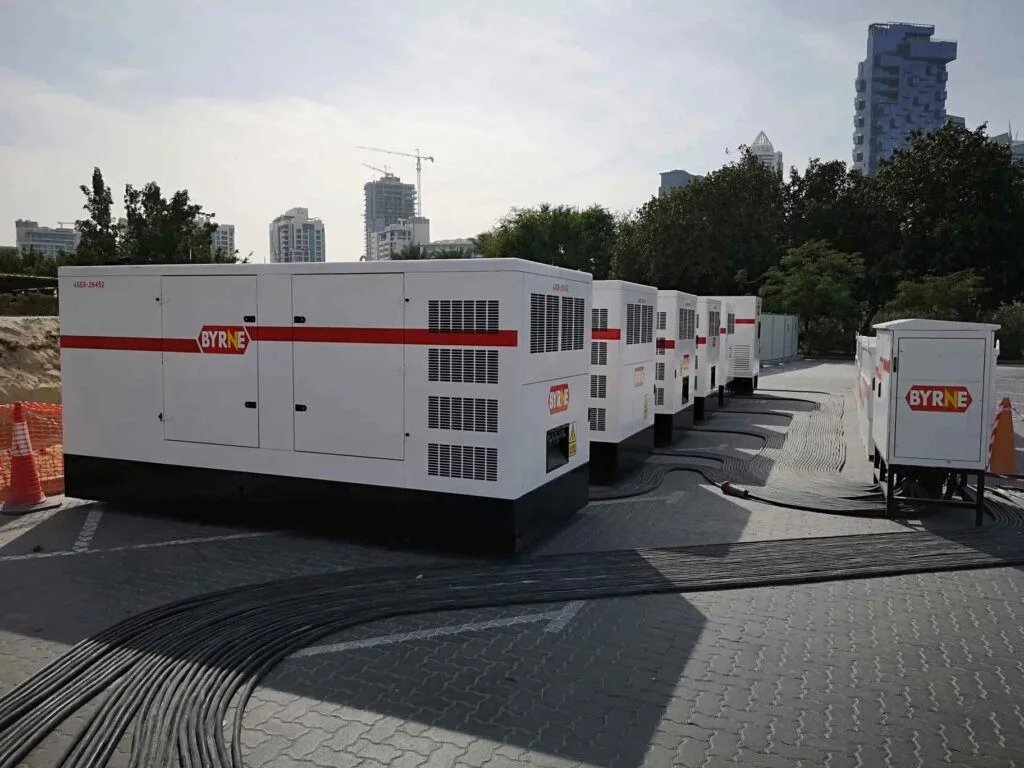
Power interruptions can create serious problems for businesses, construction projects, commercial buildings, warehouses, industrial facilities, and other operations that depend on continuous electricity. In the UAE, where electrical systems often support essential equipment such as air conditioning, pumps, HVAC security systems, elevators, refrigeration, lighting, and other critical services, having a reliable backup power arrangement can be important.
This is where backup generators come into the picture.
A backup generator is designed to supply electricity when the normal power source becomes unavailable or falls outside acceptable operating conditions. Most commercial and industrial backup generator systems use a diesel engine connected to an alternator. When the main electricity supply fails,backup generator rental in UAE an automatic control system can start the generator and transfer selected electrical loads to it through an Automatic Transfer Switch, commonly called an ATS.
The process may appear simple, but several components work together to make the system operate safely and reliably.
For businesses considering generator rental , understanding how these systems work can make it easier to select the right generator capacity, understand the role of an ATS, plan fuel requirements, and prepare a site for temporary or emergency power.
A backup generator is a power-generation system used to provide electricity when the primary power supply is interrupted.
A typical diesel backup generator consists of an engine, alternator, fuel system, cooling system, starting system, control panel, exhaust arrangement, battery system, and electrical protection equipment. Depending on the installation, it may also work together with an automatic transfer switch and other distribution equipment.
The diesel engine provides the mechanical power needed to rotate the alternator. The alternator then converts this mechanical energy into electrical energy through electromagnetic induction. The electricity produced by the generator is supplied to the electrical distribution system and, ultimately, to the circuits and equipment selected for backup operation.
A generator should therefore not be viewed as just a diesel engine. It is part of a complete electrical backup system.
The operating principle of a backup generator can be explained through a sequence that begins while the normal electricity supply is still available.
When the generator is placed in automatic mode, its control system monitors the incoming electrical supply. The system can detect a loss of utility power or electrical conditions that fall outside configured limits.
When a qualifying power interruption occurs, the control system sends a starting signal to the generator.
The engine then starts using its starting system, which normally includes a battery and starter motor. Once the engine is running, it accelerates toward its required operating speed.
At this stage, the generator does not simply connect to the building immediately. The generator first needs to reach appropriate operating conditions so that its electrical output is suitable for the connected loads.
After the generator reaches the required voltage and frequency conditions, the automatic transfer equipment can transfer the designated electrical loads from the normal supply to the generator.
The generator then continues operating and supplies power to those loads for as long as required, subject to its operating rating, fuel availability, maintenance condition, and site requirements.
When the normal utility supply returns and remains stable, the transfer system moves the loads back to the normal supply. The generator can then continue running for a short cooldown period before shutting down and returning to standby mode.
This automatic sequence allows a properly designed standby generator system to provide backup power without requiring someone to manually start the generator every time an outage occurs.
When the normal electrical supply fails, the backup system begins a predefined sequence.
The monitoring system first recognizes that the normal supply is no longer available or is outside the permitted operating range. The generator controller then receives a start command.
The diesel engine starts and begins driving the alternator. The generator controller monitors the generator’s operating parameters while the machine reaches stable operating conditions.
Once the generator output is ready, the Automatic Transfer Switch transfers the selected electrical loads from the utility source to the generator source.
The generator then supplies electricity to the connected backup circuits.
The exact time required for this process depends on the generator, controller, transfer equipment, site configuration, and application. A standby generator is therefore not normally intended to provide the instantaneous response associated with a UPS.
An Automatic Transfer Switch, or ATS, is a key component of many automatic backup generator installations.
Its main function is to manage the electrical connection between the normal power source and the backup generator.
Under normal conditions, the electrical loads receive power from the utility supply. When the ATS detects an appropriate loss of the normal supply, it signals the generator to start. Once the generator is ready, the ATS transfers the designated load to the generator.
When utility power returns and becomes stable, the ATS transfers the load back to the normal supply.
This arrangement allows the generator to operate automatically without requiring someone to manually change the electrical source.
The transfer equipment is also important from a safety perspective. Generator supplies must be properly isolated from the utility supply according to the applicable electrical design and authority requirements. DEWA’s published electrical installation regulations include requirements concerning generator connections, interlocking, and preventing inappropriate paralleling with the DEWA supply.
For this reason, connecting a commercial generator should be treated as an electrical installation task and should be carried out using an appropriate system designed for the particular site.
The electricity-producing process starts with the diesel engine.
Diesel fuel is burned inside the engine to produce mechanical energy. This mechanical energy rotates the generator’s alternator.
The alternator contains electromagnetic components that convert the rotational mechanical energy into electrical energy.
The resulting electrical output is then controlled and monitored by the generator system before being delivered to the connected electrical distribution system.
The amount of electricity a generator can provide depends on its rating and operating conditions. Generator sets are commonly specified using kVA, while many electrical loads are expressed in kW.
The relationship between these two values is affected by power factor. In simplified form:
kW = kVA × Power Factor
However, generator selection should not be based only on this calculation. The actual electrical loads, starting currents, power factor, operating conditions, and required generator duty all need to be considered.
Choosing the correct generator size is one of the most important parts of a backup power system.
A generator that is too small may not be able to support the required loads. It may experience excessive loading, voltage or frequency problems, or difficulty handling equipment with high starting requirements.
A generator that is substantially larger than necessary may also be unsuitable from an operational and economic perspective.
Generator sizing should begin by identifying which electrical loads actually need backup power.
For example, a business may not need every air-conditioning unit, lighting circuit, office appliance, and other electrical device to remain operational during an outage. Instead, it may prioritize essential systems.
The generator capacity can then be determined based on the required running loads and the starting characteristics of important equipment.
Motors, pumps, compressors, air-conditioning equipment, and other inductive loads can have significant starting requirements. These starting requirements need to be considered when selecting generator capacity.
This is particularly important for UAE projects because cooling systems and mechanical equipment can represent a substantial part of the electrical demand in many commercial and industrial facilities.
A backup generator can supply different types of electrical loads depending on the design of the installation.
For a commercial building, the backup system may be designed to support selected lighting, elevators, security systems, alarms, emergency equipment, pumps, communication systems, or other essential services.
DEWA has highlighted the importance of backup generation for major projects and identified essential services such as lighting, elevators, escalators, automatic doors, surveillance cameras, alarms, and fire and safety equipment in its guidance.
The exact requirements depend on the building, project design, applicable regulations, and authority requirements.
The key principle is that the generator should be selected around the electrical services that need to remain operational rather than simply assuming that every circuit must be powered during an outage.
Construction sites often have temporary electrical requirements that change throughout the project.
During construction, electricity may be needed for site offices, temporary lighting, pumps, tools, equipment, security systems, welfare facilities, and other site operations.
In some projects, a permanent utility connection may not yet be available. In other cases, the available electrical supply may not provide sufficient capacity for the temporary construction load.
A rental generator can provide temporary electricity during these stages.
The generator can either operate as the primary power source for a site without permanent utility power or as a backup source when the site’s normal supply is interrupted.
As the project develops, the electrical load can also change. This is one reason temporary generator rental can be useful for construction projects because generator capacity can be selected according to the project’s current requirements.
The UAE’s environmental conditions need to be considered when selecting and operating a diesel generator.
High ambient temperatures can affect the performance of engines and cooling systems. A generator produces significant heat while operating, and this heat needs to be effectively removed from the engine and generator enclosure.
Ventilation is therefore an important consideration.
An installation needs sufficient airflow to provide the engine with combustion air and allow heat to be removed from the generator area. The exhaust system must also safely discharge combustion gases.
Dust and sand are additional environmental considerations in the UAE. Air filtration systems can accumulate dust, while radiators and cooling surfaces can become contaminated if they are not properly maintained.
For this reason, regular inspection and maintenance are particularly important when generators are operating in dusty or harsh environments.
Generator output can be affected by operating conditions such as ambient temperature and altitude.
The rated output shown on a generator’s specification does not necessarily mean that exactly the same output will be available under every environmental condition.
Manufacturers provide performance information and derating requirements for their generator sets. When selecting equipment for a UAE project, the actual site conditions should therefore be considered.
High ambient temperatures can be particularly relevant when a generator is expected to operate close to its rated capacity.
The correct approach is to review the manufacturer’s technical data and select equipment suitable for the project’s actual operating conditions.
There is no single runtime that applies to every backup generator.
Operating time depends on several factors, including the generator’s fuel tank capacity, electrical load, engine efficiency, operating conditions, and refueling arrangements.
A generator operating at a higher load will generally consume more fuel than the same generator operating at a lower load.
For short power interruptions, the generator may only need to operate for a limited period. For longer emergencies, businesses need to plan fuel storage and refueling arrangements.
For rental generators, fuel responsibility should also be clarified with the rental provider before the equipment is deployed.
Diesel is widely used for commercial and industrial generator sets because diesel engines are suitable for applications requiring significant electrical output and reliable operation.
Diesel generator sets are available across a wide range of capacities, from smaller units for limited applications to large generator systems used for industrial and commercial requirements.
Diesel generators can also be used for different operating duties. Some are designed primarily for standby applications, while others are designed for prime-power operation.
The correct generator depends on how the equipment will be used rather than simply the fuel type.
Standby power and prime power are not the same application.
A standby generator is normally intended to provide power when the normal utility source becomes unavailable.
A prime-power generator is designed for situations where the generator operates as the main source of electricity for the defined application.
This difference is important when renting a generator.
A commercial building that has a reliable utility connection but needs emergency power may require a standby generator arrangement.
A remote construction site that does not have a permanent utility connection may instead require a generator suitable for prime-power operation.
The generator’s manufacturer rating and intended duty should always be checked before selecting equipment.
A backup generator may remain unused for long periods, but it still needs to be ready to operate when an electrical interruption occurs.
A generator that has not been maintained properly may fail to start or may develop operating problems after starting.
Maintenance normally involves checking the engine, oil, coolant, filters, fuel system, battery, charging system, radiator, belts, hoses, electrical connections, controls, and other relevant components according to the manufacturer’s maintenance schedule.
The generator should also be tested periodically to verify that the equipment and associated transfer system are functioning correctly.
DEWA has specifically emphasized the importance of periodic maintenance for backup generators in its guidance for major projects.
For UAE conditions, attention to air filtration and cooling-system cleanliness can be particularly important because dust and high temperatures can place additional demands on equipment.
Overheating can occur when the cooling system cannot remove enough heat from the engine.
Several conditions can contribute to overheating, including inadequate airflow, problems with the cooling system, blocked or contaminated radiator surfaces, insufficient coolant, excessive ambient temperature, or excessive loading.
The exact cause should be identified rather than simply continuing to operate an overheating generator.
A generator’s cooling system should be maintained according to the manufacturer’s requirements, and the installation should provide suitable ventilation and heat rejection.
This is particularly important in enclosed generator rooms.
Yes, a suitably sized generator can supply air-conditioning equipment.
However, air-conditioning systems can create significant electrical demand, and some equipment can have substantial starting requirements.
The generator therefore needs to be correctly sized for the actual air-conditioning system.
For a UAE building, this consideration can be especially important because cooling may represent a major portion of electrical demand during periods of high outdoor temperatures.
A generator that is sized without considering the starting and operating requirements of the cooling equipment may not provide satisfactory performance.
A backup generator and a UPS perform different functions.
A UPS can provide immediate power to connected equipment while the main supply is interrupted. This can allow sensitive equipment to continue operating while a standby generator starts.
A generator, on the other hand, can provide power for a much longer period, provided sufficient fuel is available and the generator remains within its operating limits.
For some critical applications, a UPS and generator may therefore be used together.
The appropriate arrangement depends on the type of equipment being protected and the required level of power continuity.
Yes. Rental generators can provide temporary or emergency power for businesses, construction projects, events, industrial facilities, maintenance activities, and other applications.
Generator rental can be particularly useful when a company does not want to purchase a permanent generator for a short-term requirement.
It can also provide a temporary solution when an existing generator is undergoing maintenance or repair.
Before renting a generator, the business should identify the required electrical capacity, operating duration, voltage and phase requirements, site conditions, fuel arrangements, delivery access, and electrical connection requirements.
The rental generator should then be selected according to the actual application.
Backup generator rental can be useful when a business needs temporary power rather than a permanent generating system.
For example, a construction company may require power during a particular phase of construction. An event organizer may need temporary electricity for an event lasting a few days. A commercial facility may require temporary backup while its permanent generator is being serviced.
Rental can also be considered during emergency situations when an existing generator has failed and additional power is needed quickly.
The main advantage is flexibility. Instead of purchasing, installing, maintaining, and storing a generator that may only be required occasionally, a business can arrange temporary generating capacity for the period it actually needs.
Before arranging a generator rental, the electrical load should be identified carefully.
The required generator capacity depends on the equipment that needs to operate, its running load, starting requirements, voltage, phase, power factor, and intended operating duty.
The site should also be assessed.
Large generator sets need suitable access for delivery and positioning. There must also be appropriate arrangements for electrical cables, ventilation, exhaust discharge, fuel supply, and safe operation.
The electrical connection should be designed appropriately for the site and should comply with the applicable requirements.
For Dubai projects, DEWA’s published regulations provide specific requirements relating to generator connections and electrical interlocking. Other UAE emirates may have their own authority requirements, so the relevant local requirements should be confirmed for the particular project.
A power interruption can affect business operations in different ways.
Computers and communication systems can stop working. Security systems may be affected. Refrigeration equipment can lose power. Pumps can stop operating. Construction work can come to a halt. Commercial buildings can lose essential services.
A backup generator provides an alternative source of electricity for the systems that have been selected as essential.
The generator does not eliminate the possibility of an electrical interruption. Instead, it reduces the period during which critical equipment remains without its normal power source.
When integrated correctly with automatic transfer equipment, the process can happen without requiring someone to manually start and connect the generator.
An automatic backup generator system continuously monitors the normal electrical supply. When the control system detects a qualifying interruption, it sends a start command to the generator. Once the generator reaches suitable operating conditions, the transfer equipment can move the designated electrical loads to the generator.
An ATS manages the transfer of electrical loads between the normal utility supply and the generator supply. It allows the system to automatically transfer selected loads to the generator after an interruption and return them to the utility supply when normal power is restored.
Diesel generators can be used in UAE conditions, but equipment selection and installation should account for ambient temperature, cooling, ventilation, dust, load, and the manufacturer’s operating requirements.
Generator sizing depends on the electrical loads that need backup, their running and starting requirements, power factor, voltage, phase, operating conditions, and generator duty. A professional load assessment is recommended for larger or more complex installations.
A suitable rental generator can provide temporary emergency power when the equipment and electrical connection are appropriate for the application. The installation should be carried out using a safe and suitable connection arrangement.
Runtime depends on fuel-tank capacity, generator load, fuel consumption, engine specifications, and refueling arrangements. There is no universal runtime for every generator.
It can, if the generator and electrical distribution system are designed for the building’s total required load. However, many backup systems are designed to supply only selected essential loads.
Regular maintenance helps ensure that the generator can start and operate when required. It also helps identify problems with components such as batteries, filters, cooling systems, fuel systems, and electrical controls before an emergency occurs.
Backup generators provide an alternative source of electricity when the normal power supply becomes unavailable. In a typical automatic system, the process begins with the control system monitoring the utility supply. When an interruption is detected, the generator starts, the diesel engine drives the alternator, and the generator produces electrical power. Once the output is ready, the Automatic Transfer Switch transfers the selected electrical loads to the generator.
When utility power returns, the system transfers the loads back to the normal supply and the generator goes through its cooldown and shutdown process.
For UAE applications, generator selection involves more than simply choosing a particular kVA rating. The project’s electrical loads, starting requirements, operating duty, ambient temperature, ventilation, dust exposure, fuel arrangements, site conditions, maintenance requirements, and applicable authority regulations all need to be considered.
For businesses that need temporary or emergency capacity, backup generator rental in UAE can provide a flexible alternative to purchasing permanent equipment. Whether the requirement is for a construction site, commercial building, industrial facility, event, maintenance period, or emergency situation, selecting a generator according to the actual electrical and site requirements is essential for dependable performance.