Phone:
(701)814-6992
Physical address:
6296 Donnelly Plaza
Ratkeville, Bahamas.

Phone:
(701)814-6992
Physical address:
6296 Donnelly Plaza
Ratkeville, Bahamas.
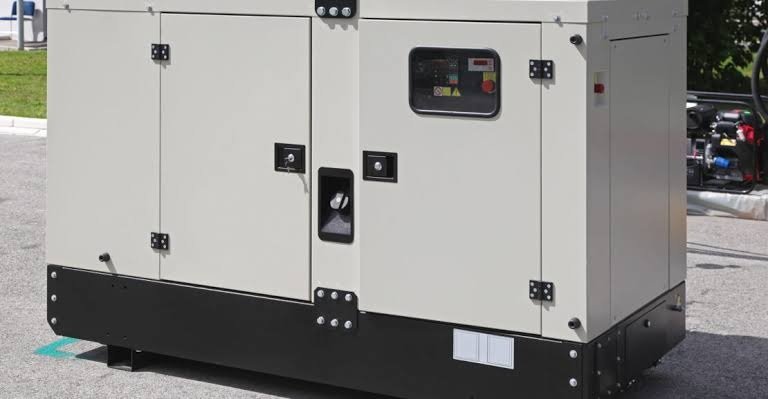
Power is essential for almost every modern business. Offices depend on electricity for computers, internet connections and communication systems. Retail stores need power for lighting, payment systems and refrigeration. Warehouses may rely on cooling equipment, security systems and operational machinery, while industrial facilities can depend on generators rental to keep critical processes running. When the main electricity supply is interrupted, even for a limited period, business operations can be affected.
This is why having a backup generator for businesses in UAE can be an important part of business continuity planning. A backup generator provides an alternative source of electricity when the normal power supply becomes unavailable. Instead of allowing every critical operation to stop, the generator can supply power to selected essential systems until the normal electricity supply is restored.
Backup power is particularly important for major buildings and critical facilities in Dubai. DEWA’s current Power Supply Guidelines for Major Projects state that backup generators are required at major projects in Dubai and should provide sufficient power for essential systems such as lighting, elevators, escalators, automatic doors, surveillance cameras, alarm systems and fire and safety equipment. The guidelines also stress that generators must be properly maintained so they can operate effectively when needed.
Businesses use electricity for much more than simply switching on lights. A power interruption can affect communication, security, IT infrastructure, cooling, refrigeration, access systems and operational equipment at the same time. The actual impact depends on the type of business and the systems it uses every day.
DEWA also recognises that electricity interruptions can occur for different reasons, including internal faults, planned network maintenance and forced outages for network repair. This is one reason businesses need to consider rental power how their essential operations would continue if their normal electricity supply became temporarily unavailable.
For a business, the purpose of a backup generator is not necessarily to power everything on the premises. In many cases, the better approach is to identify the systems that are most important during an interruption and arrange backup power around those requirements. This can include emergency lighting, security systems, essential computers and network equipment, refrigeration, pumps, selected cooling equipment and other important electrical loads.
A properly planned backup generator rental for businesses in UAE can therefore help companies continue essential operations while the main source of electricity is unavailable.
A backup generator normally remains ready while the business is receiving electricity from the main utility supply. When the normal supply fails, the backup system can detect the interruption and start the generator.
In systems that use automatic changeover or transfer equipment, designated electrical loads can then be switched from the normal supply to the backup power source. This means critical systems can receive electricity from the generator while the main supply remains unavailable.
When normal power is restored and the electrical system confirms that the supply is stable, the designated loads can be transferred back to the main source. The generator then returns to its standby condition.
The exact arrangement depends on the building’s electrical design and the equipment being protected. Some businesses may require only a few critical circuits to receive backup power, while larger facilities may need a more comprehensive standby power arrangement.
DEWA’s guidance on uninterrupted power arrangements also refers to auto-changeover facilities for connecting external mobile generators and recognises additional backup measures, including battery banks and UPS systems, depending on the emergency and business continuity strategy of a specific project.
The main purpose of a backup generator is to reduce the operational impact of losing the normal electricity supply.
Without backup power, an office may lose access to essential computers, internet equipment and communication systems. A warehouse could experience problems with lighting, security or temperature-controlled operations. A commercial building may need to protect essential services such as lifts, access systems and emergency equipment.
A backup generator gives the business another source of power for the systems that need to remain operational.
This can help employees continue essential work, keep security equipment operating and support important building services during an interruption. For businesses handling temperature-sensitive goods, backup power can also form part of a wider strategy for supporting refrigeration or cooling systems.
DEWA has specifically followed up with key facilities in Dubai, including airports, hospitals, hotels, shopping malls, government buildings and tourist facilities, to help ensure that adequate backup generation is available. Its approach reflects the importance of maintaining essential services and preparing important facilities for power interruptions.
Business continuity means preparing for situations that could interrupt normal operations and ensuring that essential functions can continue wherever possible.
For many companies, electricity is one of the most important parts of this planning. Without it, a business may be unable to communicate with customers, process transactions, access digital systems or operate important equipment.
A standby generator UAE businesses can rely on provides an additional layer of preparedness. Instead of depending completely on a single source of electricity, the business has an alternative power source available for selected loads.
The first step is to understand which systems are genuinely critical. An office may prioritise servers, network equipment, emergency lighting and security. A warehouse may prioritise refrigeration, access control and CCTV. An industrial facility may have more complex requirements involving pumps, motors, control systems or process equipment.
Once the important loads are identified, the business can plan its backup power requirements more accurately.
The systems supported by a backup generator depend on the generator capacity and the electrical design of the premises.
Emergency lighting is often an important priority because it helps maintain safe visibility when normal electricity is unavailable. Security systems can also be essential, especially CCTV cameras, access control and alarm equipment that protect the premises.
Many modern businesses also depend heavily on IT and communication equipment. Servers, networking devices and communication systems may require a suitable backup power strategy to support essential business functions.
Cooling can also be important in the UAE. Depending on the generator capacity and electrical arrangement, selected HVAC or cooling systems may be included as part of the backup load. Businesses involved in cold storage or refrigeration may have additional reasons to plan carefully because the continuity of temperature control can be important to their operations.
Pumps, ventilation equipment, access systems and other motor-driven equipment may also form part of the backup power plan, depending on the facility.
DEWA’s latest guidelines for major projects specifically identify lighting, elevators, escalators, automatic doors, surveillance cameras, alarm systems and fire and safety equipment as loads that backup generators should be sufficient to cover for the applicable projects.
A backup generator should be selected according to the actual electrical requirements of the business.
Choosing a generator simply because it appears large enough can create problems. The generator must be capable of supporting the required loads and their operating characteristics. This is especially important where the business uses motors, pumps, compressors or cooling equipment.
Some electrical equipment requires a higher amount of power when starting than during normal operation. This means the total running load alone may not provide enough information for selecting the right generator.
A proper assessment should consider the electrical loads that need backup, how many of them will operate at the same time and whether equipment with significant starting requirements is involved. The generator should also be appropriate for its intended operating duty and the conditions of the site.
This is why businesses should base generator selection on an assessment of their actual requirements rather than simply selecting a unit based on a general kVA figure.
The UAE operating environment can also influence generator planning.
High ambient temperatures can affect the operating conditions of engines and cooling systems. Dusty and sandy environments may also increase the importance of regular inspections and maintenance, particularly for components such as air filtration and cooling systems.
The location of the generator matters as well. Adequate ventilation, suitable space and proper installation arrangements are important for reliable operation. The generator should be selected and installed according to the actual conditions where it will operate.
For this reason, businesses arranging backup generator rental in UAE should provide the supplier with accurate information about the site. Details about the operating environment, location, expected load and required operating period can help ensure that the temporary power solution is suitable for the application.
A backup generator is designed for use when normal power is unavailable, which means it may spend long periods waiting in standby mode.
However, equipment that is not running continuously still needs maintenance and inspection. A generator must be ready to start when required.
DEWA’s current guidelines state that backup generators must be properly maintained so they work effectively and in a timely manner when needed. DEWA has also described regular maintenance as part of its approach to ensuring the functionality of backup generators at key facilities.
Regular maintenance and testing can help identify potential issues before an actual interruption occurs. The appropriate maintenance programme should follow the generator manufacturer’s requirements, equipment usage, site conditions and applicable project requirements.
For a business, discovering that backup equipment has a problem during an actual power failure is far less useful than identifying and correcting that issue during planned maintenance.
Not every company needs to purchase and permanently own a generator.
Some businesses require backup power only for a specific project, a planned electrical shutdown, maintenance work, temporary operations or an unexpected equipment problem. In these situations, backup generator rental for businesses in UAE can provide a flexible alternative.
Rental can give businesses access to temporary generating capacity for the period they actually need it. The generator solution can be planned around the required electrical load and operating conditions without the business necessarily having to make a long-term equipment purchase.
For example, DEWA provides a temporary power disconnection service for customers who need to isolate electricity supplies to private LV panels or switchgear for annual maintenance, in-house maintenance, equipment replacement or emergency shutdown work. Such planned interruptions demonstrate why businesses may need to consider temporary backup arrangements when critical electrical work is being carried out.
A rental generator can therefore be useful during planned maintenance, temporary projects, construction activities or periods when permanent power equipment is unavailable.
Before choosing a backup power solution, a business should first understand what it needs to keep running during a power interruption.
The most important question is which electrical loads are essential. Once these loads are identified, the business can assess the generator capacity and supporting equipment required for the application.
The supplier or electrical professional may need information about the type of equipment being powered, the expected operating hours, voltage requirements, site access and the conditions where the generator will be installed.
The connection arrangement is equally important. A generator is only one part of a complete backup power system. Depending on the project, suitable changeover equipment, electrical distribution, cabling and other supporting infrastructure may also be required.
For larger projects or permanent installations, businesses should verify the requirements that apply to their particular location and facility with the relevant authorities and qualified professionals.
A backup generator can be designed to support an entire facility if the generator and electrical system are correctly sized for the required demand.
However, this is not always the most practical approach.
Many businesses only need certain systems to continue operating during a power interruption. By focusing on critical loads, the company may be able to create a more targeted backup power strategy.
For example, a business may decide that emergency lighting, security, network equipment, selected cooling, refrigeration and essential operational systems are priorities. Other non-essential loads can remain disconnected until normal power returns.
This approach is also consistent with the principle in DEWA’s major project guidelines, which identify specific essential building and safety systems that require backup coverage.
A backup generator and an Uninterruptible Power Supply, or UPS, do not perform exactly the same role.
A UPS uses stored energy to provide immediate short-term power to connected equipment. A generator provides an alternative source of electricity and can support operations for longer periods, subject to its design and available fuel.
In some applications, these systems can work together. A UPS can help maintain power to sensitive equipment during the transition from normal electricity to generator power, while the generator provides the longer-duration backup supply.
DEWA’s published clarification on uninterrupted power supply arrangements recognises battery banks and UPS systems as additional backup measures that may be considered according to the emergency and business continuity strategy of the specific project or premises.
The correct arrangement depends on how quickly power must be available and how long the business needs its critical systems to remain operational.
A generator’s ability to provide backup power also depends on having an appropriate fuel plan.
Businesses should understand how long they expect the generator to operate and how much fuel may be required at the expected load. Generator fuel consumption can vary according to the model, size and operating load.
For extended interruptions or temporary projects, fuel planning can become an important part of the overall backup power strategy. The site must also have suitable arrangements for generator operation and refuelling in accordance with applicable requirements and safe operating practices.
The generator itself is therefore only one part of the solution. Reliable backup power requires planning for capacity, electrical connection, maintenance, operating conditions and fuel.
The UAE has advanced electricity infrastructure, but businesses can still experience interruptions caused by internal electrical faults, planned maintenance or other technical issues. DEWA’s own customer information lists internal faults, planned network maintenance and forced outages for network repair among the reasons power interruptions may occur.
For a business, the key issue is not to assume that every interruption will have the same impact. The consequences depend on which systems lose power and how important those systems are to normal operations.
A carefully planned backup generator system helps businesses prepare for this possibility. It can provide an alternative source of electricity for critical operations while the normal supply is unavailable.
This can support security, essential communications, building services, refrigeration, cooling and other important functions depending on the needs of the business.
Backup generators play an important role in helping UAE businesses prepare for power interruptions. They provide an alternative source of electricity that can support critical systems when the normal power supply becomes unavailable.
The real benefit comes from proper planning. A business should understand which systems need to continue operating, assess the actual electrical demand, consider the site conditions and ensure the generator system is properly maintained.
For major projects in Dubai, DEWA’s current guidelines specifically require backup generators and identify essential systems that should receive backup coverage. The guidelines also make clear that regular maintenance is important to ensure generators are ready when required.
For businesses with temporary requirements, planned maintenance work or short-term power needs, backup generator rental for businesses in UAE can offer a practical and flexible solution. Rather than treating backup power as simply hiring the largest available generator, businesses should focus on selecting a solution that matches their actual critical loads and operational requirements.
When properly planned, a backup generator can help reduce disruption, support business continuity and provide greater confidence that essential operations can continue when the main power supply is interrupted.
A backup generator provides an alternative source of electricity for essential systems when the normal power supply is unavailable. Depending on the electrical arrangement, critical loads can be transferred to generator power until the main supply returns.
A generator can support different systems depending on its capacity and the electrical design of the premises. This may include lighting, security systems, IT equipment, refrigeration, selected cooling systems, pumps and other essential equipment.
Not every business has the same backup power requirements. The need depends on the type of business, the importance of its electrical systems and the consequences of an interruption. Some major projects in Dubai have specific backup generator requirements under DEWA’s guidelines.
Yes. Backup generator rental can be suitable for temporary projects, planned maintenance, emergency requirements and other situations where permanent ownership may not be necessary.
The generator should be selected according to the actual electrical loads that need backup. Running demand, equipment starting requirements and the type of loads being powered should all be considered.
A backup generator must be ready to operate when normal power fails. Regular maintenance and testing can help identify potential problems before an actual interruption occurs. DEWA’s guidelines also require backup generators at applicable major projects to be properly maintained so they work effectively when needed.
Yes, if the generator and electrical infrastructure are correctly designed for the full building demand. However, many businesses choose to supply only essential loads during an interruption.
A UPS provides immediate battery-based power for connected equipment, while a generator provides an alternative source of electricity for longer-duration backup. In some facilities, both systems can work together as part of the overall business continuity strategy.