Phone:
(701)814-6992
Physical address:
6296 Donnelly Plaza
Ratkeville, Bahamas.

Phone:
(701)814-6992
Physical address:
6296 Donnelly Plaza
Ratkeville, Bahamas.
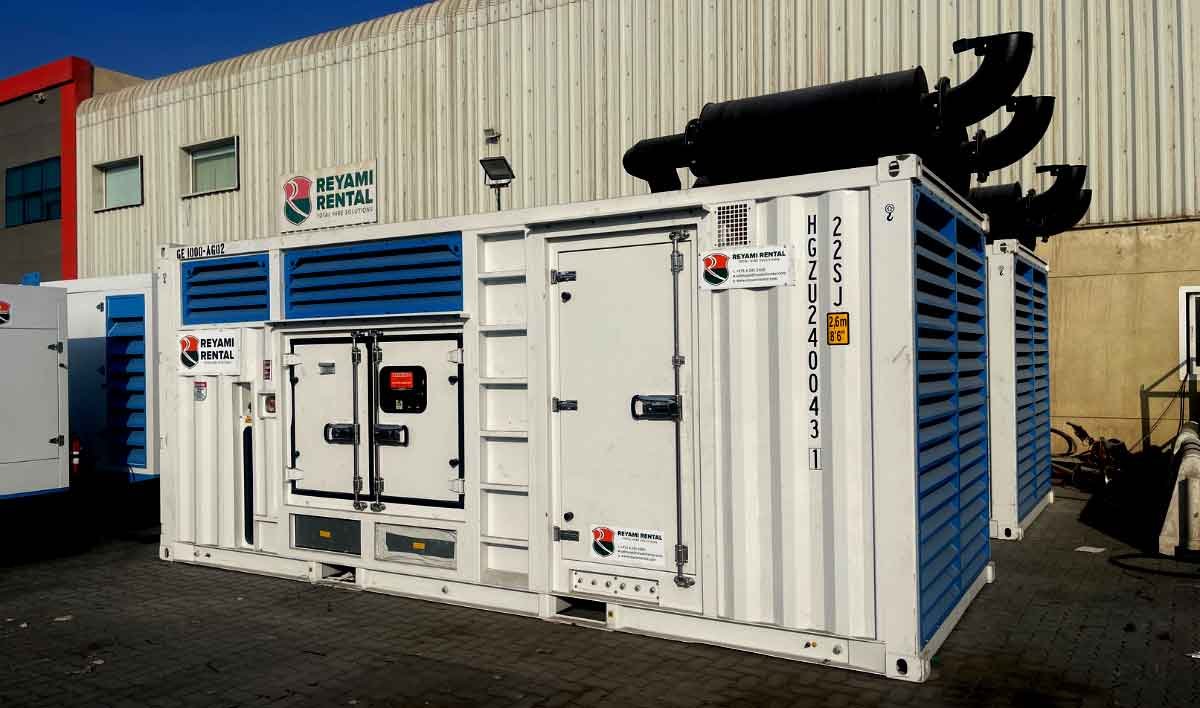
Power interruptions can create serious operational problems for businesses in the UAE. Construction sites can come to a standstill, events can lose essential lighting and sound systems, commercial facilities can experience disruption, and critical equipment may stop operating. When permanent backup power is unavailable or an existing generator fails, renting a generator can provide a practical temporary solution.
Emergency generator rental services in the UAE are designed to provide temporary or standby power when businesses need electricity quickly. Rental companies commonly support construction projects, events, industrial facilities, commercial properties, planned shutdowns and unexpected power emergencies. UAE rental providers offer generators across different capacities and can provide services such as delivery, installation, commissioning, fuel support and technical assistance.
However, emergency generator rental is not simply about finding the largest generator available. The correct solution depends on the site’s electrical load, operating conditions, location, required runtime and connection arrangements. Here’s what businesses should know before arranging emergency generator hire in the UAE.
Emergency generator rental is the temporary supply of generator equipment when a business needs additional or replacement electrical power.
Unlike purchasing a generator, renting allows a company to obtain temporary capacity without making a major capital investment in equipment that may only be required occasionally. Rental fleets can include smaller generators for basic site requirements as well as large industrial units for demanding applications.
For emergency situations, the rental provider may also arrange transportation, positioning, cabling, connection, testing and technical support. Some UAE providers advertise 24/7 emergency assistance and flexible rental periods, while larger rental operations can supply multiple generators or more complex temporary-power configurations.
An unexpected power interruption can have consequences beyond simply switching off lights.
On a construction site, loss of electricity can stop cranes, pumps, tools, lighting and site offices. At an event, a power failure can affect lighting, audio-visual equipment, catering systems and other temporary infrastructure. Industrial operations may have production equipment or control systems that need a stable electrical supply.
Generator rental provides businesses with a way to restore temporary power without waiting for a permanent electrical repair or purchasing new equipment.
The UAE’s power infrastructure is generally highly reliable, but businesses may still require backup arrangements for equipment failures, planned shutdowns, construction activities, temporary facilities or other unforeseen circumstances. DEWA has also published requirements concerning backup arrangements for major projects and emergency electricity interruptions.
Emergency generators can be useful in many different commercial and industrial situations.
When normal electricity supply is interrupted, a rental generator can provide temporary power while the underlying problem is investigated or repaired.
Businesses that already have standby generators may experience mechanical or electrical faults. Renting another unit can maintain operations while the permanent generator is being repaired.
Temporary generators are also useful when electrical systems are intentionally taken offline for maintenance, upgrades or other scheduled work. Rental companies in the UAE specifically market generators for programmed shutdowns as well as emergencies.
Construction projects frequently need temporary electricity before permanent electrical infrastructure is available. Generators can supply power for tools, pumps, lighting, site offices and other equipment.
Outdoor events, exhibitions and temporary venues can require substantial electrical capacity. Rental companies can design temporary power systems around the event’s layout and load requirements, including generators, cabling, fuel services and load management.
Remote worksites may not have convenient access to the utility network. In these situations, generators can provide an independent temporary source of electricity.
Selecting generator capacity based on guesswork can create problems. A generator that is too small may become overloaded, while an unnecessarily large unit can increase rental and fuel costs.
The first step is to identify everything that needs to operate simultaneously. This can include air conditioners, pumps, lighting, machinery, computers, refrigeration equipment, welding machines and other electrical loads.
Starting currents are also important. Motors and compressors can require significantly more power when starting than during normal operation. UAE temporary-power guidance similarly recommends evaluating the actual load, starting demand, operating schedule and required power quality rather than selecting equipment from a nominal kVA figure alone.
A professional rental company should review the load information and recommend an appropriate generator configuration.
Generator capacity is commonly expressed in kVA.
The required rating depends on the connected electrical load and power factor, but the generator should not simply be selected by adding up appliance wattages without considering how those loads operate.
For example, a site with several motors may have significant starting demand. A facility with sensitive electronic equipment may also have additional requirements for voltage stability and power quality.
Providing the rental company with an equipment list, peak load information and details of major motor loads can make generator sizing much more accurate.
For larger requirements, one very large generator is not always the only option.
Multiple generators can be configured to provide the required capacity, improve flexibility and allow equipment to be matched more closely to changing loads. Some specialist rental providers offer multiple-generator solutions and temporary power systems designed around specific customer requirements.
The appropriate configuration depends on the site’s load profile, redundancy requirements, available space, connection method and project duration.
Diesel generators need a reliable fuel supply, particularly when they are expected to operate continuously during an emergency.
Before renting, establish how long the generator needs to operate and who is responsible for fuel delivery and refuelling. A generator that is correctly sized but runs out of fuel can provide no useful backup.
For longer emergencies, businesses should discuss fuel storage, delivery schedules and monitoring with the rental provider. Fuel arrangements also need to comply with applicable fire and safety requirements.
A generator is only useful when it is installed and connected correctly.
Temporary power systems can involve distribution boards, cables, earthing, protection devices and transfer equipment. If the generator is being used alongside a utility supply, the connection must prevent unsafe back-feeding into the utility network.
DEWA’s electrical regulations state that standby generators connected to a consumer installation for maintaining supply during mains failure require prior DEWA approval. The regulations also address changeover arrangements and preventing the generator and utility supplies from being paralleled improperly.
For this reason, emergency generator rental should be handled by competent electrical professionals rather than treated as a simple equipment-delivery service.
The generator’s location is another important safety consideration.
Diesel generators produce exhaust gases and heat and require adequate ventilation. They should not be placed in enclosed or poorly ventilated areas where exhaust fumes could accumulate.
The installation should also consider noise, vibration, access for maintenance, fuel arrangements and proximity to buildings or combustible materials. UAE temporary-power safety guidance highlights generator siting, ventilation, exhaust direction, fuel containment and fire protection as important installation considerations.
The exact requirements can depend on the site, authority jurisdiction and installation arrangement, so businesses should have the proposed setup reviewed by qualified personnel.
Construction companies are among the common users of temporary generators in the UAE.
A construction site may need electricity for site offices, lighting, pumps, tools, welding equipment, security systems and other temporary facilities. Generator capacity can also change as the project moves through different phases.
For this reason, a rental arrangement can provide more flexibility than purchasing a generator sized for only one stage of the project.
Businesses should also pay attention to temporary electrical safety. Dubai Municipality provides dedicated information and services relating to construction sites and temporary electricity connections, while UAE temporary-power guidance highlights issues such as earthing, RCD protection, cabling and distribution boards.
Events have different power requirements from construction sites.
An event may need electricity for stage lighting, sound systems, LED screens, catering equipment, air conditioning, refrigeration and general venue lighting. A failure during a live event can be particularly disruptive because there may be little tolerance for downtime.
For event applications, rental providers can design temporary power systems around the venue’s layout and electrical demand. Atlas Copco’s UAE event-power service, for example, describes solutions involving generators, battery energy storage, load management, fuel services, cable management and remote monitoring.
Noise is another consideration. Where generators are positioned near guests, offices or residential areas, businesses should ask about low-noise or acoustic-enclosure options.
A generator rental company should provide more than equipment when the requirement is genuinely urgent.
Businesses should ask about generator availability, delivery times, installation, commissioning, fuel support, technical assistance and breakdown response.
A useful emergency rental service should also be able to explain the generator’s capacity and operating limitations. Some UAE rental providers offer daily, weekly and monthly rental options and technical or breakdown support.
Before accepting a quotation, confirm exactly what is included. Delivery and installation may be included in one quotation but charged separately by another supplier.
An emergency does not necessarily happen during normal business hours.
For facilities where electricity is critical, businesses should ask whether the rental company provides out-of-hours technical support. This is particularly important for industrial operations, critical commercial facilities, events and sites operating around the clock.
A rental company with technicians and logistics resources available outside standard working hours can respond more effectively than a supplier that only delivers equipment during normal office hours.
Emergency situations can make businesses focus on speed, but rental terms should still be reviewed carefully.
Confirm the rental period, generator capacity, operating hours, fuel responsibility, delivery and collection charges, installation costs, cable requirements, operator support and maintenance arrangements.
Also ask what happens if the generator develops a fault. A supplier offering replacement equipment or emergency technical assistance can reduce the risk of prolonged downtime.
Temporary generator installations must be planned with applicable electrical, fire and occupational-safety requirements in mind.
Requirements can vary depending on the emirate, site, building type and connection arrangement. Dubai, for example, has specific DEWA requirements for standby generators, while Dubai Municipality provides services relating to temporary electricity supply for construction sites.
Where a generator supplies emergency systems, additional fire and life-safety requirements may apply. The UAE Fire and Life Safety Code addresses emergency generators serving emergency lighting and requires such systems to be installed, tested and maintained according to applicable standards.
Businesses should therefore involve qualified electrical and safety professionals and confirm the requirements of the relevant authority before connecting a temporary generator.
Deployment time depends on generator availability, required capacity, location, site access and the complexity of the installation.
Some UAE rental companies advertise same-day delivery or rapid response in selected areas, while larger projects may require additional planning for transportation, positioning, cabling and commissioning.
For genuinely critical operations, businesses should not wait until an outage occurs to identify a supplier. Having a pre-arranged emergency-power plan can make deployment considerably easier.
Purchasing a generator can make sense for businesses that require permanent standby power. However, buying may not be economical when the requirement is temporary or unpredictable.
Rental allows businesses to access equipment without purchasing, storing and maintaining a generator that may spend most of its life unused. It can also make it easier to increase or decrease capacity as project requirements change.
For construction projects, events, temporary facilities and emergency situations, this flexibility can be particularly valuable.
Emergency generator rental services in the UAE provide businesses with a practical way to maintain temporary power during outages, equipment failures, planned shutdowns, construction activities and events.
The key is to look beyond generator size and rental price. Businesses should evaluate their actual electrical loads, starting requirements, operating duration, fuel needs, installation location, connection method and safety requirements. The rental provider should also have the technical and logistical capability to deliver, install and support the equipment when it is needed.
For critical operations, emergency power planning should happen before an emergency occurs. Establishing the required generator capacity, connection arrangement, supplier contacts and site requirements in advance can reduce downtime and make the response considerably more efficient.
Because electrical and fire-safety requirements vary by project and emirate, businesses should confirm the applicable requirements with the relevant authority and qualified electrical professionals before installing or connecting a rental generator. DEWA and Dubai Municipality provide official information and services covering relevant temporary and backup-power arrangements in Dubai.