Phone:
(701)814-6992
Physical address:
6296 Donnelly Plaza
Ratkeville, Bahamas.

Phone:
(701)814-6992
Physical address:
6296 Donnelly Plaza
Ratkeville, Bahamas.
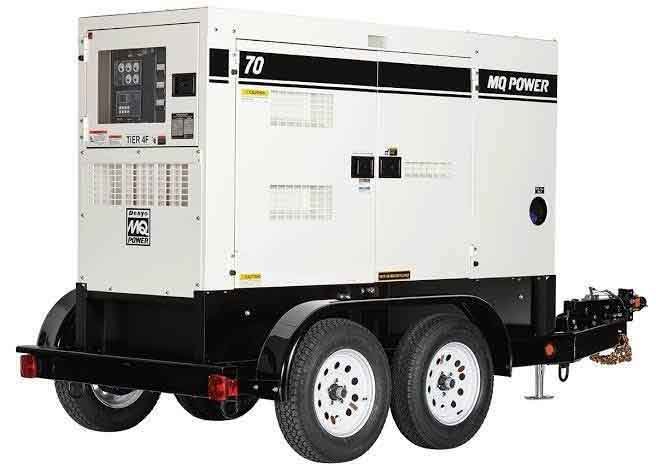
Temporary generator solutions in the UAE provide an alternative source of electrical power when a permanent utility connection is unavailable, insufficient, under maintenance, or not suitable for a temporary project. Instead of purchasing a generator and managing the equipment independently, businesses can use a complete temporary power package that may include diesel generators, distribution equipment, transformers, cables, fuel tanks, automatic transfer systems, installation, testing, maintenance, and technical support.
These solutions are used across construction sites, infrastructure projects, industrial facilities, commercial buildings, events, warehouses, remote locations, planned shutdowns, and emergency situations. UAE rental providers offer temporary power packages for periods ranging from short projects to longer-term requirements. For example, RSS states that its temporary power equipment can be supplied for periods from three days to three years, while its fleet includes generators from 30 kVA to 1,250 kVA.
The concept is straightforward: a generator converts mechanical energy from an engine into electrical energy through an alternator, while supporting equipment distributes that electricity safely to the required loads. However, a professional generator rental involves considerably more than simply placing a generator at a site and switching it on.
The equipment must be selected according to the site’s actual electrical demand, installed correctly, connected through appropriate distribution equipment, commissioned and monitored throughout operation. In Dubai, temporary electrical installations also need to follow applicable DEWA requirements and construction-site safety provisions.
A temporary generator solution is a short-term or project-based power system designed to provide electricity without relying entirely on a permanent utility supply.
The central component is normally a diesel generator, but the complete system can contain several additional components depending on the size and complexity of the project. UAE temporary power providers commonly supply generators together with distribution boards, power cables, transformers, fuel tanks, automatic transfer switches, synchronisation equipment, load banks, and other supporting equipment.
Al Shola, for example, describes its UAE temporary power offering as a combination of power generation, distribution, load testing, fuel management, and supporting equipment. Its listed equipment includes diesel generators, transformers, load banks, LV panels, power cables, and bunded fuel tanks.
This distinction is important because the generator itself does not automatically solve every temporary electricity requirement.
A construction project might require several generators operating together, long-distance cable distribution, temporary electrical panels, fuel storage, and load management. An event may need quieter equipment, temporary distribution, cable protection, and lighting. An industrial facility may need a high-capacity generator connected through suitable switching equipment so that essential loads can continue operating during a planned shutdown.
Therefore, temporary power solutions UAE should be considered as an engineered electrical service rather than simply a generator hire service.
A temporary generator solution normally starts with an assessment of the customer’s electrical requirements. The provider needs to understand what equipment will operate, how much power it requires, when the loads will operate, whether motors or other equipment create high starting loads, how long the system must operate, and where the generator will be positioned.
A recent UAE temporary-power planning guide from Al Shola specifically recommends starting with the load and operating plan rather than selecting equipment based only on a nominal kVA figure. It identifies the loads, operating conditions, supply-quality requirements, and installation location as important parts of the initial planning process.
After the requirements are established, the appropriate generator capacity and supporting equipment can be selected.
The generator’s engine produces mechanical energy. The alternator converts this mechanical energy into electrical energy, which is then delivered through the generator’s output connection to distribution equipment. From there, electricity can be distributed to temporary buildings, construction machinery, lighting systems, HVAC equipment, pumps, production equipment, offices, event infrastructure, or other approved loads.
For larger requirements, several generators can be synchronised so that they operate together as a temporary power plant. Al Shola, for example, describes power-plant arrangements using multiple generators with synchronisation and load-management systems.
The UAE has a large construction, infrastructure, industrial, commercial, logistics, oil and gas, hospitality, and events sector. Many of these activities can require electricity before permanent infrastructure is available or when existing power capacity cannot satisfy temporary demand.
A construction project is a straightforward example. During early development stages, permanent electrical infrastructure may not yet be ready, while site offices, lighting, tools, pumps, security systems, welfare facilities, and construction equipment still require electricity.
Temporary generators can provide power during this period.
The same principle applies when a commercial or industrial facility is undergoing electrical maintenance. Rather than shutting down all operations while the permanent electrical system is unavailable, a temporary generator can be integrated into the approved temporary power arrangement for the required loads.
Events create another type of demand. Concerts, exhibitions, festivals, outdoor events, temporary venues, and sporting activities can require electricity for lighting, sound systems, catering, temporary structures, security, cooling, and other services.
UAE temporary power companies specifically market their solutions to construction, events, manufacturing, utilities, oil and gas, infrastructure, and industrial projects.
High temperatures are an important consideration when selecting and operating power-generation equipment in the UAE.
Generator performance depends partly on the environmental conditions in which the equipment operates. Manufacturer data demonstrates that generator sets can have specific operating and derating characteristics at higher ambient temperatures. For example, Cummins documentation for one generator range identifies full-rated-power conditions up to 40°C under specified conditions, with different performance characteristics for enhanced cooling systems.
Cummins also lists generator equipment designed for operation at elevated ambient temperatures and identifies cooling-system considerations as part of generator performance.
This means that selecting a generator purely by its nameplate capacity without considering site conditions can be inappropriate.
For a UAE project, the rental provider should consider the expected ambient temperature, generator enclosure and ventilation arrangements, cooling requirements, load profile, installation location, and manufacturer’s operating limits.
The extreme climate also makes equipment condition and maintenance important. A temporary generator may operate for long periods and under substantial load, so cooling systems, fuel systems, filters, batteries, electrical connections, and other components need appropriate inspection and maintenance.
Professional generator rental UAE services can therefore be useful because the customer is not only obtaining generating equipment but can also receive technical assistance with selection, deployment, maintenance, and operation.
The exact equipment package depends on the project, but a complete temporary power system can include several components.
Diesel generator sets are commonly used for temporary power because they can operate independently of the utility grid and are available in a wide range of capacities.
UAE rental fleets vary considerably. RSS lists generators from 30 kVA to 1,250 kVA, while other UAE providers advertise ranges extending to 1,500 kVA, 2,000 kVA, or higher depending on the supplier and application.
The correct capacity should be determined from the actual load requirements rather than simply selecting the largest available machine.
Electricity generated at the generator needs to be distributed safely to the equipment that requires it.
Temporary distribution boards and LV panels can divide the generated supply into appropriate circuits and provide switching and protection arrangements.
DEWA’s electrical-installation regulations include specific requirements for construction-site electrical distribution assemblies and incoming supply isolation.
Temporary cables connect the generator and distribution equipment to the loads.
Cable sizing, routing, protection, connections, and earthing need to be appropriate for the electrical installation. DEWA’s construction-site requirements state that cables installed across roads, walkways, or sites must have adequate protection against mechanical damage, while construction-site cable systems have specified earthing requirements.
An Automatic Transfer Switch, or ATS, can be used where an electrical installation requires automatic switching between different power sources.
For emergency or standby arrangements, the ATS can transfer approved loads between the normal supply and generator supply according to the designed system.
The exact arrangement depends on the building and electrical design, and the system should be installed and commissioned by competent professionals.
Large temporary power requirements may need more than one generator.
Synchronisation equipment allows multiple generator sets to operate together under an appropriate control system. This can be useful when demand is too large for one generator or when additional generating capacity needs to be brought online as the load changes.
UAE suppliers such as Al Shola list synchronisation capability and multi-generator temporary power plants among their services.
Long-running generators may require additional fuel storage.
Temporary power providers can supply fuel tanks as part of a complete package. Al Shola, for example, lists bunded fuel tanks with capacities ranging from 1,000 litres to 20,000 litres on its temporary power offering.
Fuel storage and handling should always follow applicable safety requirements and the equipment manufacturer’s instructions.
Where the required voltage or distribution arrangement differs from the generator output, transformers may form part of the temporary power system.
Al Shola lists transformers for temporary power applications, including equipment suitable for higher-voltage distribution.
Load banks are used to test generators and electrical power systems under controlled loads.
They can be particularly useful during commissioning, maintenance, or performance testing because they allow technicians to apply a controlled electrical load rather than relying only on the site’s normal operating equipment.
Al Shola lists both resistive and inductive load banks within its temporary power equipment.
Choosing a temporary generator should begin with the electrical load rather than the rental company’s available fleet.
The first consideration is the total connected load. However, simply adding the nameplate ratings of every item may not provide enough information.
The operating pattern also matters.
For example, motors, pumps, compressors, chillers, and other equipment can have starting characteristics that differ from their normal running demand. A generator therefore needs to be selected with the project’s starting and operating conditions in mind.
The provider should also consider:
The final generator capacity should be confirmed by a competent electrical professional using the actual project information.
This is one reason a professional temporary generator rental UAE provider can add value beyond simply supplying equipment. A suitable rental package should be based on the project’s electrical requirements and site conditions.
Once the generator and supporting equipment have been selected, the equipment is transported to the site.
The installation area needs to be suitable for the generator and accessible for delivery, operation, inspection, refuelling, and maintenance.
The electrical team then establishes the required distribution arrangement. This can include generator connections, temporary distribution boards, cables, changeover or transfer equipment, transformers, and other components required by the system design.
Earthing and electrical protection are particularly important.
DEWA’s regulations for construction-site installations require appropriate electrical safety measures, including earthing of relevant cable systems, suitable switching and isolation, protection of outdoor equipment, and measures to prevent unsafe interconnection between supplies.
The generator is then tested and commissioned before being placed into normal operation.
HVACLINIC’s UAE generator-rental process similarly describes needs assessment, proposal preparation, logistics and setup, followed by commissioning and load testing before the system is placed into service.
Temporary generators can also be used for backup and emergency applications.
Where an installation has been designed for generator backup, switching equipment can transfer designated loads from the normal electricity supply to the generator supply.
This is different from simply plugging equipment into a generator. The electrical system needs to be designed so that power sources do not become improperly interconnected.
DEWA’s electrical-installation regulations specifically state that safety and standby supplies should be connected using devices arranged to prevent interconnection of the different supplies.
DEWA has also published guidance concerning backup power generators for major projects in Dubai and notes that backup generator capacity should be sufficient for specified emergency-related systems such as lighting, elevators, escalators, automatic doors, surveillance, alarms, and fire and safety equipment where applicable.
The actual loads supported by a generator must therefore be determined from the project’s approved electrical and emergency-power design.
Temporary generator solutions are used across a broad range of UAE applications.
Construction projects frequently require temporary electricity for site offices, lighting, tools, pumps, welfare facilities, security systems, cranes, and other equipment.
Temporary power can be used while permanent electricity is being arranged or when additional capacity is required during particular construction stages.
Factories, workshops, warehouses, manufacturing plants, and industrial facilities may require temporary generation during maintenance, expansion, shutdowns, commissioning, or additional production demand.
For larger industrial applications, multiple generators and temporary power plants can be configured to meet higher requirements.
Events may only operate for a few days but can still have substantial electrical requirements.
Temporary generators can supply event lighting, audio equipment, cooling systems, catering facilities, temporary structures, security systems, and other approved loads.
Commercial facilities may require temporary power during electrical maintenance, equipment replacement, refurbishment, or unexpected supply interruptions.
The solution can be configured around the loads that need to remain operational.
Remote or large infrastructure projects may not always have convenient access to permanent electrical infrastructure.
Temporary generator systems can provide an independent source of power for site facilities and equipment.
When an electrical supply problem occurs, emergency generator rental can provide temporary generating capacity while the permanent electrical issue is addressed.
The speed of deployment becomes particularly important in these situations, although site conditions, equipment availability, access, electrical compatibility, and safety requirements determine how quickly a system can actually be commissioned.
One of the main advantages is flexibility.
Businesses can obtain generating capacity for the period they actually need it instead of purchasing a generator that may remain unused after a project finishes.
Rental also allows the power system to be adjusted when project requirements change. A construction project, for example, may need one level of power during early work and a different level during later stages.
Temporary power can also reduce the need for businesses to manage equipment ownership, storage, long-term maintenance, and eventual resale.
Professional rental providers may additionally supply delivery, installation, commissioning, maintenance, emergency support, fuel-management equipment, and distribution accessories as part of the service.
RSS describes its temporary power approach as engineered solutions tailored to individual technical requirements and states that its service includes 24-hour customer care.
Energex similarly describes its UAE generator rental service as including generator sizing, deployment, preventive maintenance, and technical assistance.
Buying a generator can make sense for businesses that have a long-term and predictable requirement for their own equipment.
However, purchasing involves more than the initial equipment price. The owner also needs to consider maintenance, servicing, storage, fuel management, testing, repairs, spare parts, depreciation, and eventual replacement.
Temporary generator rental provides another approach.
A company can hire equipment for the duration of a construction project, event, shutdown, emergency, or temporary expansion and return it after the requirement ends.
The choice between purchasing and renting therefore depends on the duration of use, expected utilisation, required capacity, capital budget, maintenance arrangements, and the organisation’s long-term power strategy.
Temporary electricity does not mean temporary safety standards.
Electrical installations must be planned and installed correctly, and workers should not attempt to make improvised generator connections.
DEWA’s construction-site regulations require compliance with safety requirements applicable to permanent installations as well as additional construction-site provisions. These include requirements covering distribution assemblies, cable protection, earthing, switching and isolation, weatherproof outdoor equipment, and separation of supply systems.
The wider UAE electrical-equipment safety framework also establishes requirements intended to protect people and property from electrical and related hazards and requires equipment to be used and maintained appropriately.
A professional temporary power installation should therefore include proper electrical protection, suitable cabling, appropriate earthing, controlled fuel arrangements, adequate ventilation, safe equipment positioning, emergency procedures, and competent installation and maintenance.
There is no single rental duration that applies to every project.
Some requirements may last only a few days, such as events or emergency repairs. Others can continue for months or years, such as major construction projects or long-term infrastructure work.
RSS states that its temporary power equipment can be supplied for periods ranging from three days to three years.
The rental period should be based on the project schedule and reviewed if the project is extended.
For longer rentals, maintenance and fuel planning become particularly important because the generator may operate continuously or for extended operating periods.
Before selecting a provider, businesses should prepare accurate information about their project.
Start by identifying the equipment that needs electricity and its operating schedule. Determine whether major motors, pumps, compressors, chillers, or other equipment have significant starting requirements.
The required voltage, frequency, phase configuration, expected running hours, project duration, site location, and installation environment should also be communicated to the rental company.
It is equally important to clarify what is included in the rental package.
Ask whether the quotation includes transportation, positioning, cables, distribution boards, installation, commissioning, fuel tanks, maintenance, technical support, emergency response, and removal. A generator quotation that appears inexpensive may not represent the total cost of a complete temporary power installation.
The provider should also explain the generator’s rated capacity, operating conditions, maintenance arrangements, and any site requirements.
For projects in Dubai, applicable DEWA requirements should be considered alongside the project’s electrical design and approvals. DEWA provides specific requirements and processes for construction and temporary electricity supply.
A reliable temporary generator solution is not defined only by the generator’s kVA rating.
It depends on whether the complete system has been correctly designed for the intended load, installed safely, commissioned properly, maintained throughout operation, and supported when problems occur.
The equipment should be appropriate for the environmental conditions and expected duty cycle. The distribution system should match the electrical requirements. Fuel arrangements should support the required operating period. Cables and connections should be suitable for the installation. Protection and isolation should be properly configured.
Technical support is also important.
For a project where electricity is essential to daily operations, the rental provider should have a clear maintenance and response process rather than simply delivering the generator and leaving the customer to manage the system alone.
This is particularly relevant to large construction, industrial, commercial, and event projects where electrical downtime can affect multiple activities at the same time.
Temporary generator solutions in the UAE provide flexible electrical power for projects that cannot rely entirely on permanent utility infrastructure. They can support construction sites, industrial facilities, commercial buildings, events, infrastructure projects, remote locations, planned maintenance, and emergency requirements.
The system normally begins with an assessment of the project’s electrical load and operating conditions. The appropriate generator capacity is then selected together with supporting equipment such as distribution boards, cables, transformers, fuel tanks, transfer equipment, synchronisation systems, and load banks where required.
The generator produces electricity through the engine and alternator, while the supporting distribution system delivers that power to the required loads. Professional installation, commissioning, testing, maintenance, and monitoring are important parts of the overall solution.
UAE conditions also make equipment selection particularly important. Manufacturer documentation shows that generator performance can vary with ambient temperature and cooling configuration, so equipment should be selected according to actual site conditions rather than capacity alone.
For Dubai projects, temporary electrical installations must also take applicable DEWA requirements into account, particularly regarding construction-site distribution, cable protection, earthing, isolation, and the separation of different power supplies.
For businesses that need electricity for a defined period, temporary power solutions UAE can provide a flexible alternative to purchasing permanent generating equipment. The most appropriate solution depends on the project’s load, duration, environment, electrical configuration, safety requirements, and level of support required.
Temporary generator solutions are project-based power systems used when permanent electricity is unavailable, insufficient, under maintenance, or unsuitable for a temporary requirement. They can include generators, distribution equipment, cables, fuel systems, transfer equipment, installation, commissioning, and maintenance.
A generator uses an engine to produce mechanical energy, which an alternator converts into electrical energy. The electricity then passes through the project’s distribution system to supply the required electrical loads.
Construction sites may require electricity before permanent utility infrastructure is ready or may need additional power during different stages of construction. Temporary generators can supply site offices, lighting, machinery, pumps, welfare facilities, and other approved electrical loads.
Generator selection should consider the expected ambient temperature and the manufacturer’s operating specifications. High ambient temperatures can affect generator performance, and manufacturer data may specify different output or derating characteristics at elevated temperatures.
The required generator size depends on the total operating load, starting requirements, voltage, frequency, operating pattern, and other project conditions. A competent electrical professional or rental provider should assess the actual load before selecting the generator.
Yes. Where the project requires more capacity than one generator can provide, multiple generator sets can be synchronised and operated as a temporary power plant, subject to suitable control, protection, distribution, and engineering arrangements.
Rental periods vary according to the project. Short-term requirements can last only a few days, while construction and infrastructure projects may require temporary power for months or longer. RSS, for example, states that its temporary power equipment can be supplied for periods from three days to three years.
They can. A complete temporary power package may include generators, distribution boards, cables, transformers, fuel tanks, ATS equipment, synchronisation systems, and other accessories depending on the project’s requirements.
Yes. Temporary generators can provide backup capacity during planned maintenance, unexpected interruptions, equipment failures, or other situations where an alternative power source is required. The connection and switching arrangement should be designed and installed correctly.
Provide the provider with information about the equipment that needs power, expected load, starting requirements, voltage and frequency, operating hours, project duration, site location, installation conditions, and any existing electrical infrastructure. This information helps the provider develop an appropriate temporary power package.
A temporary generator is the power-producing machine. A temporary power solution is the broader system that can include the generator plus distribution equipment, cables, fuel storage, transformers, transfer systems, synchronisation equipment, installation, commissioning, maintenance, and technical support.
Yes. Temporary electrical installations still require appropriate safety measures. In Dubai, DEWA’s construction-site regulations specify requirements covering distribution assemblies, cable protection, earthing, switching and isolation, weatherproof equipment, and prevention of unsafe interconnection between supplies.
Temporary power providers serve projects across the UAE, including Dubai, Abu Dhabi, Sharjah, Ajman, Ras Al Khaimah, Fujairah, Umm Al Quwain, and other areas. Availability, equipment capacity, deployment time, and technical support depend on the provider and project requirements.
Yes. Larger temporary power systems can use high-capacity generators, multiple synchronised generator sets, transformers, distribution equipment, fuel systems, and other components to support industrial and infrastructure requirements.
Compare the provider’s equipment range, technical assessment process, installation and commissioning capability, maintenance support, emergency response, distribution equipment, experience with similar projects, and ability to meet the site’s electrical and safety requirements. The cheapest generator alone should not be the only consideration; the complete temporary power system needs to be suitable for the project.