Phone:
(+971) 56 921 3754
Physical address:
Office #201, Al Quoz Industrial Area
Dubai, United Arab Emirates.
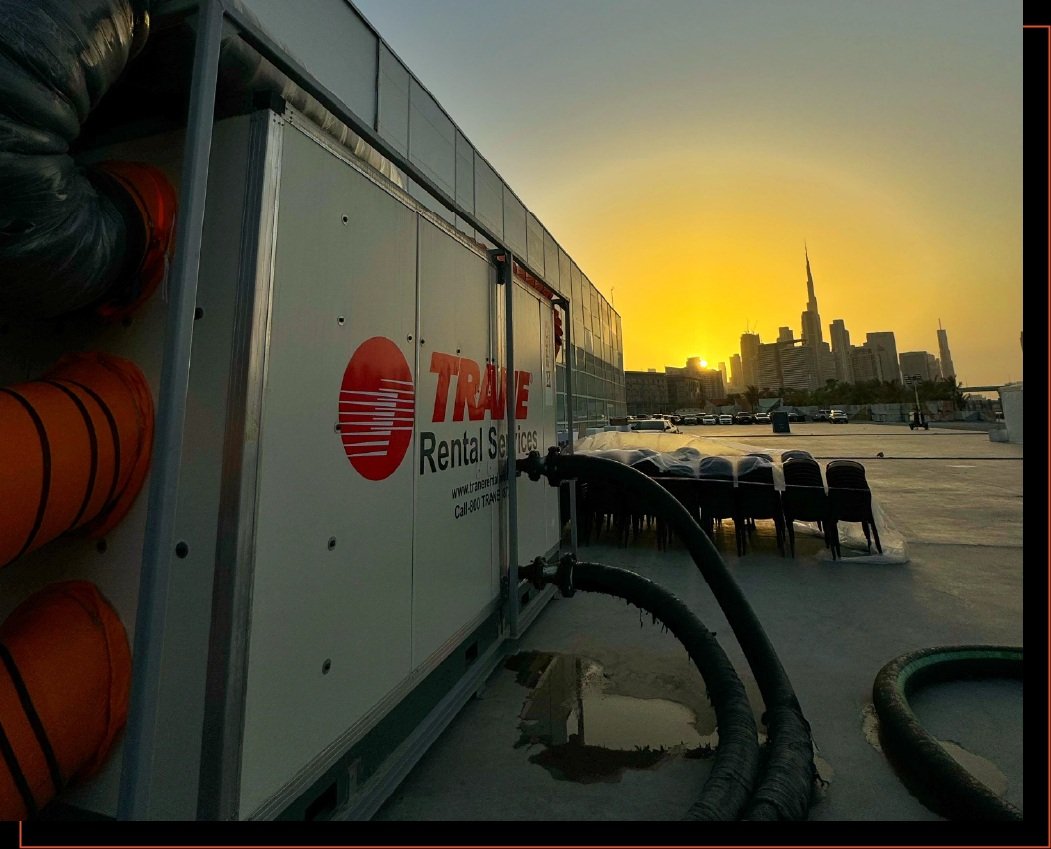
tent ac rental dubai
Dubai’s outdoor events require careful temperature control, particularly during the hotter months when direct sunlight, high outdoor temperatures and humidity can cooling rental ac enclosed fabric marquees uncomfortable. Weddings, corporate gatherings, exhibitions, private celebrations and Ramadan tents all need an air-conditioning solution that can maintain comfortable indoor conditions throughout the event.
Tent AC rental in Dubai provides temporary cooling for event structures without requiring a permanent HVAC installation. Depending on the tent size, occupancy, operating hours and site conditions, the cooling setup may include ducted package air-conditioning units, portable floor-standing equipment, fabric air distribution ducts and a dedicated temporary power supply.
However, selecting an air conditioner based only on the tent’s floor area can lead to insufficient cooling, uneven temperatures and unnecessary operating costs. A successful installation requires an assessment of solar heat gain, the tent fabric, air leakage, guest numbers, lighting, catering equipment and the amount of fresh air needed.
The American Society of Heating, Refrigerating and Air-Conditioning Engineers (ASHRAE) explains that cooling-load calculations must account for external heat transfer, solar radiation, occupants, equipment, ventilation and infiltration. These principles are particularly important when planning temporary cooling for fabric marquees in the UAE.
This guide explains how event organisers can plan tent cooling, select appropriate AC equipment, distribute conditioned air evenly and coordinate a quieter power supply for a comfortable guest experience.
Why Tent AC Rental Is Important for Dubai Events
A fabric marquee behaves differently from a conventional building. Its lightweight covering, frequently opened entrances and limited insulation can allow substantial heat to enter the occupied space. The actual cooling requirement also changes according to the event schedule and how many people are inside.
For example, a daytime corporate event in an exposed outdoor location may have a very different cooling requirement from an evening wedding in a shaded marquee. A Ramadan tent that becomes crowded shortly before iftar also experiences a changing internal heat load as guests arrive.
Professional event air conditioner rental in the UAE helps organisers plan for these changing conditions instead of relying on a few portable air conditioners that may not deliver enough cooling.
The main benefits include:
-
Improved guest comfort: Properly sized equipment helps maintain a more consistent indoor temperature.
-
Better air distribution: Ducted systems can distribute conditioned air across larger seating areas.
-
Flexible installation: Temporary equipment can be selected for the tent’s layout and event duration.
-
Planned power supply: Generator capacity can be coordinated with the air-conditioning equipment and other electrical loads.
-
Reduced disruption: Appropriate equipment placement helps limit noise and keep service areas organised.
The most effective solution combines cooling capacity, air distribution, humidity management, electrical planning and safe equipment placement.
Heat Load Calculations for Fabric Marquees Under Direct Middle East Sun
Correct heat-load calculation is the starting point for tent AC rental in Dubai. The objective is to estimate how much heat enters the tent and how much additional heat is generated inside it, then select equipment that can remove that heat under the expected operating conditions.
How sunlight affects tent cooling
Direct sunlight heats the marquee’s roof and sides. The resulting heat transfer depends on the fabric construction, colour, shading, exposure, surface area and surrounding conditions.
A tent with a large exposed roof can experience a substantial solar load even when its floor area is relatively modest. Nearby paved surfaces may also reflect solar radiation toward the tent, while wind can affect air leakage and the performance of the air distribution system.
For a Dubai installation, the assessment should consider:
-
Tent dimensions: Floor area, height, roof shape and total exposed fabric surface.
-
Fabric characteristics: Colour, construction, thermal properties and any approved insulation or secondary lining.
-
Solar exposure: Direct sunlight, orientation, shading and reflected heat from surrounding surfaces.
-
Outdoor design conditions: Expected dry-bulb temperature, humidity and relevant weather design data.
-
Air leakage: Open doors, side curtains, service entrances and gaps around duct connections.
-
Occupancy: The number of guests, their arrival times and expected peak attendance.
-
Internal equipment: Stage lighting, screens, catering equipment and other heat-producing appliances.
-
Fresh-air requirements: Outdoor air needed for the intended occupancy and applicable ventilation requirements.
A practical approach to estimating the cooling load
An HVAC engineer or experienced rental specialist can divide the total estimated load into several components:
1. Solar and fabric heat gain
Estimate heat entering through the roof and sides, taking account of sunlight, surface properties, shading and the outdoor design conditions.
2. Occupant heat gain
Include both sensible heat, which raises air temperature, and latent heat, associated with moisture released by people.
3. Outdoor air and infiltration
Account for the energy required to cool and dehumidify incoming air, including air entering through doors and other openings.
4. Lighting and equipment
Include heat generated by lighting, audiovisual equipment and other appliances operating during the event.
5. HVAC system allowances
Check duct heat gain, fan heat, required airflow, humidity control and the actual cooling capacity available at the expected operating conditions.
The calculated loads are then combined using an appropriate engineering method to determine the peak cooling requirement. The final equipment selection must also account for the capacity available under actual outdoor conditions, rather than relying solely on a manufacturer’s nominal rating.
Why a simple square-metre calculation can be misleading
A floor-area estimate can help with an initial discussion, but it cannot reliably determine the final number of air-conditioning units for every tent.
Two marquees of equal floor area can require different cooling capacities if one has a sun-exposed roof, higher ceilings, more guests or frequent door openings. A catering tent may also have a different load profile from a dining marquee because of its equipment and operating activities.
For this reason, there is no single cooling-tonnage-per-square-metre figure that applies to every Dubai event.
The rental provider should request the tent dimensions, expected occupancy, fabric details, site exposure, operating hours and equipment schedule before confirming the required capacity.
Ducted Package AC Units vs Free-Standing Floor Units
Choosing the correct type of equipment is another important part of tent AC rental in Dubai. Ducted package units and free-standing floor units can both serve temporary cooling needs, but their suitability depends on the size of the tent, the layout and the required air distribution.
Ducted package air-conditioning units
Often suited to large marquees
These systems condition air in an external package unit and deliver it through ducts into the tent. They can support larger occupied areas and help distribute air across multiple seating sections.
They are particularly useful for weddings, corporate hospitality, exhibition marquees and large Ramadan tents where controlled air distribution is important.
Their performance depends on correct capacity selection, duct sizing, available static pressure, outlet placement and return-air arrangements.
Free-standing floor units
These units can be useful for smaller tents, isolated rooms, temporary offices or localised cooling requirements. Some models discharge cool air directly into the occupied space, while others require a duct or separate arrangement to remove hot exhaust air.
Their suitability depends on cooling capacity, heat rejection, electrical demand and the equipment’s intended operating environment.
Multiple floor units do not automatically provide uniform cooling, especially in a long or crowded marquee.
When should you choose ducted package AC?
Ducted package systems are often the stronger option when a marquee has a large seating area, a high guest count or several distinct zones. They allow the rental team to position the cooling equipment outside the occupied area and route supply air to selected locations.
This arrangement can also reduce obstruction around tables and walkways. With suitable equipment placement, the installation can keep machinery and service access away from the main guest area.
However, ducted systems require sufficient room for the units, duct routes, electrical connections and maintenance access. The installation team must also account for the pressure losses associated with long ducts and multiple outlets.
When are floor-standing units appropriate?
Floor-standing units may be practical when the tent is small, the cooling demand is localised or the event layout makes a large duct network unnecessary.
They can also provide supplementary cooling in a defined area when the main system is already operating correctly. Nevertheless, hot exhaust air must be discharged as specified by the manufacturer. Simply placing a portable unit inside a tent without a suitable heat-rejection arrangement can add heat to the same space it is supposed to cool.
For larger events, the final decision should be based on the cooling-load calculation and distribution design rather than equipment convenience alone.
Fabric Long-Throw Air Ducting for Even, Draft-Free Cooling
Providing enough cooling capacity is only part of the job. The conditioned air must also reach the guests without creating uncomfortable cold spots, stagnant areas or strong air currents.
Fabric air ducting is one option for distributing cooled air across temporary event spaces. These ducts can be designed with appropriately sized outlets or permeable sections that release air along their length. The actual discharge pattern depends on the fabric, duct geometry, pressure, airflow and outlet design.
How long-throw ducting works
Long-throw outlets are intended to project air farther into a space. In a large marquee, that can help deliver conditioned air toward the middle of the seating area rather than concentrating all the cooling close to the equipment connection.
A suitable arrangement may use ducts positioned along the length of the tent, with outlet directions selected according to ceiling height, seating layout and the locations of guests.
The objective is to balance air movement and temperature throughout the occupied zone.
How to avoid uneven temperatures and uncomfortable drafts
A properly designed system should consider the following factors.
Duct placement: Position ducts to serve the occupied area rather than directing cold air only toward the perimeter or a small number of tables.
Airflow velocity: Select outlet sizes and discharge patterns that provide the required throw without creating uncomfortable air speeds where guests are seated.
Static pressure: Confirm that the package unit’s fan can overcome the resistance of the duct network and deliver the required airflow to all outlets.
Return-air paths: Ensure that warm air can return to the equipment without being trapped in ceiling pockets or isolated sections.
Zoning: For long or irregularly shaped marquees, consider separate cooling zones where different areas have different occupancy or solar exposure.
Commissioning: Test the installation after setup. Measure temperature at several points and adjust outlet directions or airflow where necessary.
A long-throw outlet is not automatically draft-free. Its effectiveness depends on the supply-air temperature, discharge velocity, throw distance, ceiling height and room air movement. The final arrangement should be tested under conditions that resemble the actual event as closely as practical.
Quiet Power for Events: Soundproof Generators and AC Equipment
An effective tent cooling system also requires a dependable power source. Temporary air conditioners may have substantial electrical demands, and the available site supply may not be adequate for the equipment selected.
Where a suitable mains supply is unavailable, a generator may be required to power the AC units, lighting, sound equipment and other event facilities.
For weddings, VIP gatherings, corporate events and Ramadan hospitality, noise management is as important as power availability. A generator that is too close to the marquee can interfere with conversation, speeches, announcements and the overall guest experience.
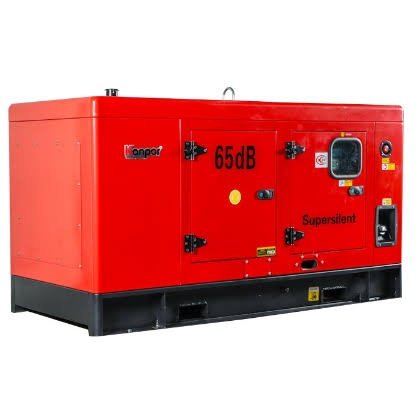
What does a 65 dBA generator rating mean?
A generator advertised with a sound level of 65 dBA may be a suitable candidate for a noise-sensitive event, but the figure should not be treated as a guarantee of quiet operation at every location.
The reported sound level depends on the generator model, load, enclosure, measurement distance, test conditions and surrounding environment. Sound can also travel differently across an open site, between buildings and through temporary structures.
Before choosing a generator, ask the rental provider to confirm:
-
The manufacturer’s stated sound level and the distance at which it was measured.
-
Whether the rating applies at the expected operating load.
-
The intended generator position relative to guests and nearby properties.
-
Whether ventilation, exhaust routing and safe service access can be maintained.
-
Whether the generator has sufficient capacity for the complete connected electrical load.
A sound level of 65 dBA is therefore a specification to verify against the actual installation, not a universal noise limit for events.
How to reduce generator noise during an event
A practical setup starts with selecting an appropriately sized, sound-attenuated generator. Where the site permits, locating it away from guest seating can further reduce disturbance.
The installation should use suitable exhaust arrangements and follow the manufacturer’s requirements for ventilation, clearances and operation. Temporary sound barriers should never obstruct cooling airflow or trap exhaust gases around the machine.
The electrical design should also account for AC compressor starting current, continuous running loads, other equipment and any required spare capacity. Generator sizing should be confirmed by a competent electrical professional, particularly when several package units will start or operate simultaneously.
For temporary power planning, explore silent generator rental alongside the cooling requirements.
The goal is to provide sufficient power while keeping generator noise and operational disruption to a practical minimum.
Ramadan Tent Cooling in Dubai: Planning for Iftar and Evening Gatherings
Ramadan tents often have a distinctive operating pattern. Guests may arrive in a short period before iftar, remain for meals and social gatherings, and leave later in the evening. This creates changing occupancy levels and makes the timing of the cooling system important.
Ramadan tent cooling in Dubai should be planned around the actual event schedule, not just the tent’s maximum capacity.
Cooling considerations for Ramadan tents
Pre-cooling before guests arrive
Start the air-conditioning system sufficiently early to bring the tent toward the desired indoor conditions before the event begins. The required lead time depends on the tent’s initial temperature, the cooling capacity and the heat entering through the fabric.
Pre-cooling is especially important after a tent has been exposed to direct sunlight throughout the day.
Managing peak occupancy
A tent that feels comfortable during setup may become warmer when hundreds of guests arrive. Occupants add sensible and latent heat, while frequently opened entrances allow hot, humid outdoor air to enter.
The system should therefore be selected for the expected peak conditions, with air outlets arranged to serve the occupied areas.
Managing food service and humidity
Food service, beverage stations and other event activities may add heat or moisture. If the tent includes a separate catering area, it may be beneficial to assess that space independently rather than assuming it will have the same cooling requirement as the dining area.
Planning for late-evening operation
Even when outdoor temperatures decline, the tent may retain heat absorbed during the afternoon. Occupancy, lighting and equipment can also continue generating heat. Cooling controls should respond to actual conditions rather than switching off solely because sunset has passed.
Ramadan tent safety and equipment placement
The UAE’s published Ministry of Interior guidance on Iftar tent safety includes requirements concerning air-conditioning equipment, electrical installations, fire safety and emergency exits. The cited guidance specifies that air-conditioning equipment should be positioned outside the tent and at least 1.5 metres away from it.
Because these references are older, event organisers should confirm the current requirements with the relevant local authority and the event’s approved safety plan before installation.
A suitable arrangement should include:
-
Safe placement of AC equipment and generators outside the occupied tent, in accordance with applicable requirements.
-
Properly protected electrical cables and appropriately rated circuits.
-
Adequate ventilation and safe exhaust discharge for generator equipment.
-
Suitable fire extinguishers, clear escape routes and unobstructed emergency exits.
-
Appropriate fire-rated tent fabric and interior decorations where required.
-
Secure duct connections and clear walkways for guests and staff.
These measures are part of the cooling plan, not separate details to address after the equipment has arrived.
How to Choose the Right Tent AC Rental Provider in Dubai
The quality of a temporary cooling installation depends on more than the air conditioners supplied. Equipment selection, delivery, installation, airflow balancing, power coordination and technical support all affect the final result.
When comparing tent AC rental providers in Dubai, ask how they will assess your particular event.
Request an engineering-based cooling assessment
A provider should ask about the tent dimensions, maximum guest count, operating hours, fabric construction, sun exposure and the amount of equipment operating inside.
The proposal should explain the recommended cooling capacity, the number and type of units, the air distribution arrangement and any assumptions that could affect performance.
Confirm equipment capacity at local conditions
Nominal cooling capacity alone may not represent the capacity available during very hot weather. Ask the supplier to check the manufacturer’s performance data at the anticipated outdoor conditions.
This is particularly important for large marquees operating during hot periods in the UAE.
Review the ducting and installation plan
Ask where the equipment will be placed, how the ducts will enter the marquee, how air will be distributed and how warm air will return to the equipment.
The installation should also allow access for inspection and servicing without obstructing guest areas or emergency exits.
Coordinate the power supply
If the site needs a generator, request a coordinated electrical assessment covering the AC equipment and other connected loads. The provider should clarify the generator’s capacity, noise specification, fuel arrangements and operating requirements.
Arrange testing before the event
Where the schedule allows, test the cooling system before guests arrive. Check airflow, temperature distribution, electrical operation and any unusual noise or vibration.
For wider temporary cooling requirements, you can review rental AC in UAE.
Common Mistakes to Avoid When Renting AC for Event Tents
Even good-quality air-conditioning equipment can perform poorly when the installation is not planned correctly.
Choosing equipment using floor area alone. This can underestimate the heat load from sunlight, guests, outdoor air and event equipment.
Installing too few air outlets. Adequate cooling capacity does not guarantee even air distribution. Poorly positioned outlets may leave some seating areas warmer than others.
Ignoring humidity. Temperature alone does not fully describe comfort. Outdoor air and high occupancy can increase moisture loads, particularly in humid conditions.
Using equipment without a suitable exhaust arrangement. Portable AC units that reject heat into the tent can undermine the cooling system.
Leaving generator planning until the last minute. Insufficient power capacity, unsuitable cable arrangements or a poorly positioned generator can disrupt the event.
Starting the system too late. An overheated marquee may take time to reach the desired temperature, especially under a substantial solar load.
Overlooking safety requirements. Ducts, electrical equipment and service areas must not obstruct emergency exits or create hazards for guests.
Avoiding these mistakes begins with a site assessment and a clear installation plan.
Frequently Asked Questions
How do I calculate the AC capacity required for a tent in Dubai?
Start with the tent’s dimensions, height, fabric properties and solar exposure. Then assess occupancy, lighting, equipment, outdoor air, infiltration and humidity. An HVAC specialist should calculate the peak cooling load and check the equipment’s available capacity under expected outdoor conditions.
There is no universal tonnage figure that suits every marquee.
Which AC system is best for a large event tent?
Ducted package AC units are often suitable for large marquees because they can deliver conditioned air to several parts of the occupied space. The final choice depends on the load calculation, layout, available installation space, duct pressure losses and electrical supply.
Smaller floor-standing units may suit localised or lower-capacity requirements.
Is ducted AC better than portable floor units for a wedding tent?
For a large wedding marquee, ducted equipment can make it easier to distribute air while keeping bulky equipment away from guest seating. Portable units can be useful for smaller or separate spaces, provided their heat-rejection arrangements are suitable.
Neither option is automatically better in every situation; the tent’s layout and cooling requirements should determine the choice.
What is fabric ducting, and why is it useful?
Fabric ducting is an air distribution system made from textile material. Depending on its design, air is discharged through selected outlets or permeable sections to serve the occupied space.
Properly designed long-throw outlets can help deliver air farther into a marquee. Duct sizing, airflow, pressure, outlet placement and discharge velocity must be considered to achieve comfortable temperature distribution.
How quiet should a generator be for a Dubai event?
The appropriate sound level depends on the event, nearby properties and local requirements. A generator advertised at 65 dBA may be worth considering for a noise-sensitive event, but the supplier should verify the measurement conditions and expected noise at the guest area.
Placement, sound attenuation and safe exhaust routing also influence the final result.
How early should I book Ramadan tent cooling in Dubai?
Booking well before the event is advisable, particularly when the tent is large, the installation is complex or the event falls within a busy seasonal period. Early planning allows time for site inspection, load calculations, equipment allocation, power coordination and safety approvals.
The required lead time depends on the availability of equipment and the event’s logistical requirements.
Can tent AC rental be used for corporate events and exhibitions?
Yes. Temporary air-conditioning systems can support corporate hospitality, exhibitions, product launches, weddings, private functions and other events in suitable temporary structures. The equipment should be sized for the intended occupancy and operating conditions.
Can the same generator power the AC units and event lighting?
Potentially, yes, but the generator must be sized for the combined electrical demand, including compressor starting requirements, lighting, audiovisual equipment and other connected loads. A qualified professional should verify the electrical design before the equipment is connected.
Conclusion:
Successful tent cooling requires a coordinated approach to engineering, installation and event operations. The strongest solution starts with a realistic assessment of solar heat gain, fabric properties, guest numbers, ventilation and equipment loads.
For large marquees, ducted package AC units and properly designed fabric air distribution systems can help deliver more consistent cooling across the occupied space. For noise-sensitive events, a suitably sized sound-attenuated generator can provide temporary power while helping minimise disruption.
For Ramadan tents, the planning process should also address peak occupancy, pre-cooling, humidity, safe equipment placement and applicable Civil Defence requirements.
If you are organising a wedding, corporate function, exhibition or Ramadan gathering, explore rental AC in UAE and discuss the tent dimensions, expected attendance, location and operating hours with the rental provider. A site-specific assessment will help determine the appropriate cooling capacity, duct arrangement and power supply for your event.
Need Reliable Temporary Power or Cooling in the UAE?
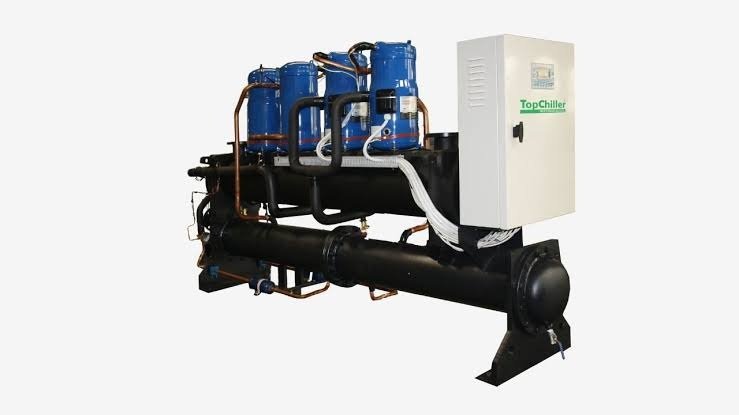
From 20 kVA mobile silent generators up to multi-megawatt synchronized power plants and 500 TR packaged chillers. Complete turnkey delivery, cabling, and 24/7 on-site maintenance across Dubai, Abu Dhabi, and Sharjah.