Phone:
(+971) 56 921 3754
Physical address:
Office #201, Al Quoz Industrial Area
Dubai, United Arab Emirates.
sell used generator dubai
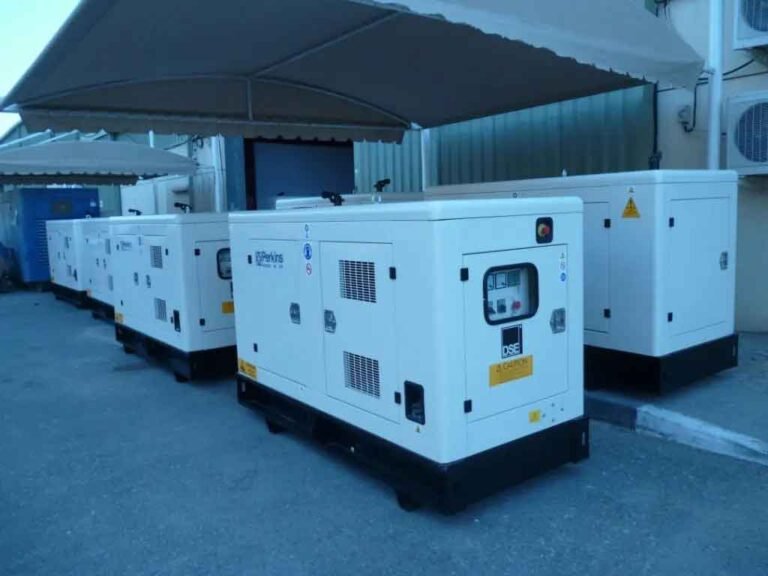
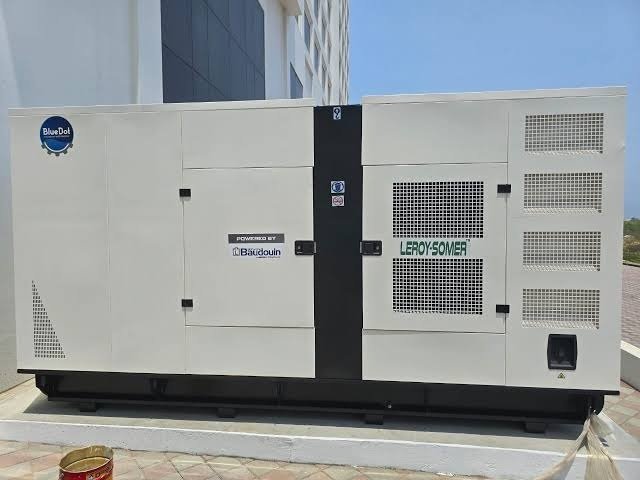
Selling a used generator in Dubai can be an effective way for businesses, contractors, construction companies and industrial operators to recover value from equipment they no longer need. Whether you own a diesel generator that has reached the end of a project, an older standby power unit, a damaged generator or an entire fleet of surplus equipment, understanding the resale market can help you make a better-informed decision.
However, not every used generator should be sold as scrap. A rental generator that no longer meets your operational requirements may still be suitable for refurbishment, resale or use as a source of replacement components. Its value depends on several factors, including engine brand, rated power output, operating hours, alternator condition, acoustic canopy, maintenance history and the cost of collecting and transporting the equipment.
The UAE has an established market for second-hand industrial equipment. Specialist dealers advertise used generators, purchase equipment from sellers and supply machinery to contractors and other buyers. For example, Dawood Ahmed & Co’s UAE used-generator listings show how sellers and buyers can assess individual machines using their specifications, identification details and condition.
This guide explains how to sell a used generator in Dubai, estimate its potential resale value, compare a refurbishment-based trade-in with scrap recovery, arrange safe removal and manage surplus generator fleets after completing major construction projects.
It also explains what information to prepare before requesting a quotation and how to compare offers without relying on an unsupported price estimate.
Why Sell a Used Generator Instead of Keeping It?
Industrial generators represent a significant investment. When a project finishes, a facility changes its power requirements or a company upgrades its equipment, keeping an unused generator can create unnecessary storage, maintenance and asset-management costs.
Selling surplus equipment can help businesses release capital and make room for newer machinery. The right disposal method depends on whether the generator is operational, repairable or suitable only for material recovery.
Common reasons businesses sell generators in the UAE include:
-
Construction project completion: Contractors may have generators that are no longer required after completing a building, infrastructure or industrial project.
-
Equipment upgrades: Businesses may replace older units with newer generators offering better fuel efficiency, improved controls or a more suitable power rating.
-
Changes in power demand: A facility may no longer need the generator’s original capacity.
-
Maintenance costs: An older unit may require expensive repairs that are difficult to justify against its remaining service life.
-
Fleet consolidation: Equipment rental companies may reduce duplicate stock or sell units that are no longer commercially competitive.
-
Facility closure or relocation: Businesses may need to liquidate equipment before vacating a site.
The Dubai Electricity and Water Authority (DEWA) also publishes information about selling used machinery, equipment and other surplus assets through formal tenders and auctions. This demonstrates that structured asset disposal is an established option for eligible organisations, although its tender process differs from a direct private sale.
For companies looking to sell equipment directly, a specialist buyer may offer a more convenient route, particularly when the seller needs the generator collected from an operational site or construction project.
How to Sell a Used Generator in Dubai
The process becomes easier when you prepare the generator’s details, establish its condition and compare suitable buying options before arranging collection.
Step 1: Record the generator’s specifications
Gather the manufacturer, model, serial number, manufacturing year, rated kVA, engine brand, alternator details and hour-meter reading. Take photographs of the identification plates and the complete generator.
Step 2: Describe its condition honestly
Explain whether the generator runs, starts reliably, produces its rated output and has any known engine, alternator, controller or cooling-system faults. Include available maintenance and testing records.
Step 3: Request a valuation
Contact buyers who handle industrial generator resale, refurbishment and, where necessary, scrap recovery. Ask whether the offer is based on the complete machine, its repairable components or its scrap materials.
Step 4: Agree collection and payment terms
Confirm the purchase price, transport responsibility, lifting arrangements, disconnection requirements, collection date and payment method in writing before the equipment leaves your site.
For a starting point, visit the sell your used generator in UAE service page to enquire about disposing of surplus or unwanted equipment.
What Determines the Resale Value of a Used Generator?
There is no single resale price that applies to every generator. Two units with the same rated capacity can have different values because their engine condition, operating history, specifications, repair requirements and potential resale demand differ.
Used-generator dealers in the UAE commonly assess equipment individually rather than relying on age or power output alone. Published market guidance identifies engine brand, operating hours, maintenance history, overall condition, alternator health and testing results as important valuation considerations.
1. Engine Brand and Model
The engine is one of the most important components in a diesel generator. Its brand, model, parts availability and serviceability can influence the interest a buyer shows in the complete machine.
Generators fitted with recognised industrial engines, including Cummins, Perkins and Caterpillar models, may appeal to buyers who already have experience servicing those engines or supplying replacement parts. However, the brand alone does not guarantee a higher offer.
A well-maintained generator from a less prominent manufacturer may be more attractive than a poorly maintained machine with a widely recognised nameplate.
When requesting a valuation, provide the exact engine model rather than just the brand. This helps a buyer identify the engine configuration, assess parts availability and understand the likely repair requirements.
2. Operating Hours and Usage History
The hour meter provides a useful indication of how much a generator has operated. Generally, lower operating hours can support a stronger valuation when the generator is otherwise in good condition.
However, operating hours should never be considered in isolation.
A generator used for occasional standby duty may have fewer hours than one used daily on a construction site. Conversely, a machine with low recorded hours may have deteriorated during long-term storage or may lack evidence of proper servicing.
The buyer should consider:
-
Recorded operating hours and the condition of the hour meter.
-
Whether the generator was used for standby or continuous power.
-
How frequently it was serviced.
-
Whether it experienced overheating, overloading or extended periods of inactivity.
-
Whether the available records support the stated operating history.
The Used Generator Trader’s guide to checking generator hours explains why hour-meter readings should be reviewed alongside service records, previous use and inspection evidence.
If the hour meter or controller has been replaced, disclose that information. Transparency can help prevent disagreements during the inspection and final sale.
3. Canopy Condition and External Appearance
The generator canopy protects internal components and helps reduce operating noise. Its condition can influence the amount of preparation required before the equipment is resold.
A clean, structurally sound acoustic canopy may support a better offer than an enclosure with extensive corrosion, damaged doors or missing panels.
Buyers may inspect:
-
Rust and corrosion on the enclosure and base frame.
-
Door hinges, locks, seals and access panels.
-
Evidence of water ingress.
-
Damage to acoustic insulation.
-
Condition of the radiator openings and ventilation panels.
-
Oil, fuel or coolant leaks visible around the enclosure.
-
Damage to the lifting points or chassis.
Cosmetic damage does not necessarily make a generator unsuitable for resale. However, significant structural damage, compromised ventilation or deterioration affecting safe operation may increase refurbishment costs.
Before taking photographs for a valuation, clean accessible exterior surfaces and photograph existing defects clearly. Do not conceal damage or dismantle the generator simply to improve its appearance.
4. Maintenance Logs and Service Documentation
Maintenance records help a buyer understand how the equipment has been treated throughout its working life.
Useful documents include dated service reports, oil and filter replacement records, coolant servicing, repair invoices, alternator inspections and load-test reports where available.
A generator with complete records gives the buyer a clearer basis for evaluating its condition. Missing records do not automatically make the machine worthless, but they may lead to additional inspection requirements or greater uncertainty in the offer.
Keep documentation matched to the correct machine. The generator identification plate, engine serial number and relevant service reports should correspond wherever those details are recorded.
5. Alternator, Control Panel and Electrical Condition
A generator is more than its engine. The alternator produces electrical power, while the control system monitors and manages its operation.
A running engine does not prove that the complete generator is operating correctly. Problems with voltage regulation, winding insulation, electrical connections, protection systems or the controller may require specialist attention.
A buyer may consider the following evidence:
-
Available electrical inspection results.
-
Alternator condition and known faults.
-
Controller model and functionality.
-
Voltage and frequency readings.
-
Previous electrical repairs.
-
Load-test results, if available.
If the generator cannot be tested, tell the buyer. A non-running unit may still be valuable as a repairable asset, but the offer will depend on the buyer’s assessment of the unknown condition and potential repair cost.
6. Generator Capacity, Age and Market Demand
Rated output, manufacturing year and the generator’s original application also affect its commercial appeal.
A buyer may be interested in a generator because its capacity suits construction sites, industrial facilities, commercial buildings or standby applications. Other buyers may specialise in larger machines, specific brands or particular types of equipment.
The relevant comparison is not simply whether a generator is old or new. It is whether the particular unit can be resold or reused economically after accounting for inspection, repairs, transport and preparation.
To compare offers fairly, ask buyers to identify the generator specification they are valuing and the assumptions behind the quotation.
How to Estimate Scrap Generator Cash Valuation
When a generator is damaged, incomplete or uneconomical to repair, scrap recovery may become the more appropriate option.
However, scrap value and resale value are two different calculations.
A resale buyer considers the generator’s potential as a working machine or refurbishment project. A scrap buyer focuses more heavily on recoverable materials, including steel, copper and aluminium, subject to the actual construction of the unit and the buyer’s processing arrangements.
There is no reliable universal scrap price for a generator based on its total weight alone.
What Goes Into a Scrap Valuation?
A scrap assessment may consider:
| Factor | Why it matters |
|---|---|
| Generator weight | Provides a starting point for assessing recoverable materials. |
| Steel frame and canopy | Contribute to ferrous-metal recovery, subject to condition and processing costs. |
| Copper-containing components | May contribute material value where copper is present and recoverable. |
| Aluminium parts | May have separate recovery value depending on the components and sorting requirements. |
| Engine and alternator | May be more valuable as reusable components than as processed scrap, depending on condition. |
| Batteries, fluids and other materials | May require separate handling, removal or disposal arrangements. |
| Collection and dismantling | Can reduce the net amount offered if the buyer must absorb these costs. |
A complete generator should not automatically be treated as a pile of scrap metal. Its engine, alternator, controller and other components may retain value even if the equipment cannot currently run.
For that reason, request an assessment that distinguishes between the value of the complete generator and the value of the equipment as scrap.
Why Scrap Weight Alone Can Be Misleading
Imagine two generators with similar external dimensions and total weight.
The first has a failed engine but a potentially serviceable alternator, controller and acoustic enclosure. The second has severe damage affecting multiple major components.
Although their scrap weights may be similar, the first generator could offer a buyer more opportunities for refurbishment or component recovery.
The opposite can also occur: a generator may look complete but have expensive internal damage that makes rebuilding commercially impractical.
The correct valuation therefore depends on the inspection findings and the likely cost of returning the unit or its components to a useful condition.
For larger industrial assets, DEWA’s scrap sales information provides an official example of an organised equipment-disposal process through tenders and auctions. Its procedures are relevant to eligible tender participants, but they should not be confused with the terms of a private generator buyback transaction.
Scrap Generator vs Refurbishable Generator:
Before accepting a scrap offer, establish whether the buyer has considered the generator’s potential as a repairable machine.
Option 1: Sell the generator for refurbishment
Potential for higher recovery
This option may be suitable when the engine, alternator and control system are repairable, or when the generator can be restored economically.
A refurbishment buyer may inspect major components, estimate replacement parts and labour, and assess whether the complete unit can be resold after repairs. The potential offer depends on expected resale value and refurbishment costs.
Option 2: Sell the generator as scrap
Material recovery
Scrap recovery may be more suitable when the machine has extensive damage, missing major components, severe corrosion or repair costs that exceed its realistic resale potential.
The offer may be based on recoverable materials, reusable parts and collection costs rather than the generator’s original purchase price.
When Can a Damaged Generator Be Worth More Than Its Scrap Materials?
A damaged generator may retain considerable commercial value if its major components can be recovered or repaired.
For example, a generator that fails to start because of a fault in its starting circuit may still have a serviceable engine, alternator and enclosure. A unit with a damaged control panel may also have reusable mechanical components.
These examples do not mean that every non-running generator is worth repairing. They illustrate why the reason for failure matters.
A useful comparison is:
Estimated refurbishment value = expected resale value after repairs minus repair, inspection, transport and other preparation costs.
Estimated scrap recovery = recoverable material and component value minus collection, dismantling, sorting and processing costs.
These are decision-making estimates, not guaranteed offers. The buyer’s actual valuation will depend on the machine and the commercial terms of the transaction.
Where possible, obtain both a refurbishment-based offer and a scrap-based offer. Compare the net amount you will receive, not just the headline purchase price.
Industrial Generator Buyback for Contractors and Fleet Owners
Industrial generator buyback can be particularly useful for contractors, rental companies, plant operators and businesses managing several power units.
A company may own multiple generators acquired for a large construction project. When that project ends, some machines may remain useful for future contracts, while others may be surplus to requirements.
Keeping every unit may tie up capital and create additional storage, inspection and maintenance obligations. Selling selected generators can help the company reduce its fleet and recover part of its equipment investment.
How Contractors Liquidate Surplus Generator Fleets
A practical fleet-disposal process begins with an inventory of the equipment available for sale.
The contractor identifies each generator by its make, model, rated capacity, manufacturing year, operating hours and present condition. The list should also identify non-running units, missing components and any known major faults.
Next, the contractor groups the generators into useful categories:
-
Operational generators: Units that can be inspected and potentially resold without major repairs.
-
Repairable generators: Units requiring mechanical or electrical work before reuse.
-
Obsolete or surplus units: Generators that no longer suit the company’s operational requirements.
-
Scrap candidates: Units whose condition or repair costs make material recovery a more realistic option.
This approach helps a buyer assess the fleet more efficiently than treating every machine as an identical asset.
For example, a contractor completing a large infrastructure project might have several working generators alongside a few units that experienced faults during operation. A bulk buyer may evaluate the operational units individually while providing separate offers for the damaged equipment.
The seller should request a clear breakdown of the offer so that the condition and value of each unit remain transparent.
Why Bulk Generator Buyback Can Be Convenient
Selling several generators together may reduce the number of separate inspections, negotiations and collection arrangements required.
Depending on the buyer and fleet size, a bulk transaction may involve:
-
One consolidated inventory and inspection schedule.
-
Individual valuations for different generator models.
-
A coordinated lifting and transport plan.
-
Agreed collection dates around site closure.
-
A single settlement or a documented payment schedule.
-
Separate records for equipment ownership and handover.
Bulk selling does not automatically guarantee a higher price per generator. A buyer may offer a different combined amount depending on the condition mix, quantity, resale prospects and transport requirements.
The goal is to reduce administrative work while securing a commercially reasonable net return.
Generator Decommissioning, Crane Lifting and Heavy Transport
Removing an industrial generator requires more planning than collecting a small portable machine. Large diesel generator sets can be heavy, connected to electrical distribution systems and associated with fuel, coolant, batteries and exhaust arrangements.
A safe removal plan should be agreed before the collection vehicle arrives.
1. Electrical Disconnection and Isolation
The generator must be taken out of service by competent personnel. Depending on the installation, the work may involve isolating the generator output, control wiring, automatic transfer switch connections and other associated electrical systems.
The responsible electrical team should follow the site’s isolation and verification procedures before work begins. If the generator is connected to a building or industrial power network, the scope should include any necessary coordination with the facility’s electrical team.
Electrical disconnection should not be improvised by an unqualified person.
2. Fuel, Coolant and Other Fluids
The removal plan should identify the fuel tank configuration and any fluids that require draining, containment or separate handling.
Spilled diesel, oil or coolant can create environmental and workplace hazards. Batteries and other potentially hazardous components may also need to be managed separately under applicable requirements.
Confirm in advance whether the buyer or the seller is responsible for these tasks and whether specialist personnel are included in the quotation.
3. Crane Lifting and Rigging
Large generator sets may need a crane, lifting equipment or a suitable recovery vehicle.
The lifting plan must account for the actual machine weight, centre of gravity, approved lifting points, site access and available ground support. The equipment and lifting accessories should be appropriate for the load, and the work should be carried out by qualified personnel under suitable supervision.
A generator should not be lifted from an unsuitable canopy panel or an unapproved point. The applicable manufacturer’s lifting instructions must be followed for the particular model.
Before confirming collection, establish:
-
Whether the generator is accessible to the lifting equipment.
-
Whether overhead obstructions or restricted access affect the lift.
-
Whether the machine is fixed to a foundation or skid.
-
Whether there is sufficient room for safe loading.
-
Whether the site requires permits, work approvals or traffic coordination.
A collection quotation should specify whether crane hire, rigging, loading and transport are included or charged separately.
4. Heavy Transport and Site Clearance
Once the generator is disconnected and safely loaded, the transport arrangement must suit its weight and dimensions.
The seller and buyer should agree on the collection date, vehicle requirements, route and delivery or recovery location. Large equipment may require additional planning where access roads, site gates, working hours or loading areas are restricted.
This is especially important for industrial facilities and construction sites where equipment removal must not interfere with other work.
5. Final Inspection, Handover and Settlement
Before the generator leaves the site, both parties should verify the equipment being collected and record its condition.
The handover documentation should identify the generator, agreed purchase amount, any included accessories and the responsibilities of each party. For company-owned equipment, the seller should also follow its internal asset-disposal and authorisation procedures.
Payment terms should be agreed before removal. Confirm whether settlement will be made by bank transfer or another agreed method, when it will occur and whether any deductions may apply.
Do not assume that crane lifting, transportation or same-day payment is included in every buyback offer. These are commercial terms that should be confirmed in writing.
How to Compare Used Generator Buyers in the UAE
Choosing between used generator buyers in UAE involves more than finding a company that advertises cash for old equipment.
A suitable buyer should be able to explain its valuation method, identify the equipment it is willing to purchase and clarify the practical arrangements for inspection and collection.
Use the following checklist when requesting offers.
| What to check | Questions to ask |
|---|---|
| Equipment coverage | Do you buy operational, damaged and non-running generators? |
| Valuation | Is the offer based on refurbishment, resale, parts recovery or scrap? |
| Inspection | Is a site inspection or technical test required? |
| Collection | Are crane lifting, loading and transport included? |
| Deductions | Can the quoted price change after inspection or collection? |
| Payment | What method and settlement deadline are agreed? |
| Documentation | What sale, handover and asset-disposal documents are required? |
| Fleet purchases | Can you assess multiple generators under one transaction? |
Published UAE market information provides examples of specialist sellers that purchase used equipment as well as supply it. For instance, Dawood Ahmed & Co describes buying used machinery and assessing generators individually. Its listings can be useful as a reference when researching the resale market, although advertised sale prices are not necessarily equivalent to purchase offers made to sellers.
Similarly, the used and refurbished generator buyback page describes a commercial model that includes equipment assessment, refurbishment and surplus-fleet purchasing. Its stated service terms are the provider’s own claims and should be independently confirmed when requesting a quotation.
When comparing buyers, make sure the offers cover the same equipment and scope of work. An offer that includes removal may be more useful than a slightly higher price that leaves you responsible for expensive crane and transport arrangements.
Documents to Prepare Before Selling Your Generator
Having the correct information ready can help buyers assess the equipment and reduce delays during negotiations.
For a single generator, prepare the identification details, specification plate photographs, operating-hour reading, known fault information and available service history.
For a commercial fleet, prepare an inventory spreadsheet with one row per unit. Include the manufacturer, model, rated capacity, serial number, operating hours, condition, site location and any known repair requirements.
Where available, attach recent inspection reports, load-test results and maintenance invoices. Clearly label missing records rather than estimating details that cannot be verified.
Businesses should also confirm who has authority to approve the sale and whether the asset is subject to a lease, finance arrangement, project restriction or other ownership condition.
If the generator is being sold from a contractor’s site, agree who is responsible for removing it from the asset register and retaining the final transaction documents.
Common Mistakes to Avoid When Selling a Used Generator
Accepting the first offer without understanding the valuation
The first offer may be reasonable, but it is difficult to judge without understanding the machine’s condition and alternative disposal options. Compare offers from appropriate buyers where practical.
Treating the original purchase price as today’s resale value
A generator’s original cost does not establish its current market value. Age, operating hours, specification, maintenance, repair costs and buyer demand all influence what someone may be willing to pay.
Assuming every non-running generator is scrap
A machine that does not start may still have reusable or repairable components. Establish the nature of the fault before deciding that scrap recovery is the only option.
Ignoring the cost of removal
A high purchase offer can become less attractive if the seller must separately pay for disconnection, lifting, loading and transportation.
Providing incomplete information
Missing serial numbers, uncertain operating hours or undisclosed faults may delay the inspection and result in revised offers.
Leaving payment terms until collection day
Agree the settlement amount, method, timing and any conditions in writing before authorising removal. This is particularly important for high-value generators and multi-unit transactions.
Frequently Asked Questions
How can I sell a used generator in Dubai?
Start by collecting the generator’s specifications, operating-hour reading, condition photographs and available service records. Contact buyers who handle the relevant generator type, request a valuation and compare the purchase amount with any inspection, removal and transport costs. Agree the payment and handover arrangements in writing before collection.
How do used generator buyers in the UAE calculate an offer?
Buyers may assess the engine brand and model, rated capacity, age, operating hours, alternator, control panel, canopy condition, maintenance history and testing results. They may also consider the cost of repairs, transport and preparation for resale. A scrap buyer may instead focus on recoverable materials and reusable components.
Can I sell a damaged or non-working generator?
Yes, depending on the buyer’s purchasing criteria and the machine’s condition. Some buyers consider generators for refurbishment, component recovery or scrap. Providing a clear description of the fault helps them determine which valuation method is appropriate.
Is it better to sell a generator for scrap or refurbishment?
Neither option is always better. Refurbishment may provide a stronger return when the generator and its components retain useful commercial value. Scrap recovery may be more practical when major damage makes repairs uneconomical. Compare the net offers after accounting for repair, collection and processing costs.
What is scrap generator cash valuation?
Scrap generator cash valuation is an estimate of the amount a buyer may pay for a generator based on recoverable materials and any reusable components, less applicable recovery and collection costs. It is not necessarily based on the generator’s total weight alone.
Do buyers purchase entire generator fleets after construction projects?
Some industrial equipment buyers offer fleet purchases or bulk buyback arrangements. Contractors can submit an inventory of operational, repairable and damaged generators for assessment. The final offer depends on the machines, their condition, the quantity involved and the agreed collection arrangements.
Can a buyer arrange crane lifting and transportation?
Some buyers provide collection services or can coordinate lifting and transport, while others quote these services separately. Confirm the lifting scope, site-access requirements, vehicle arrangements and responsibility for disconnection before accepting the offer.
How quickly can I receive payment for a used generator?
Settlement time depends on the buyer’s process and the agreed terms. Some transactions may be completed quickly after inspection and approval, while others require additional documentation, technical checks or internal authorisation. Confirm the payment deadline in writing rather than assuming that every transaction qualifies for same-day settlement.
Which documents should I prepare to sell an industrial generator?
Prepare the make, model, serial number, rated capacity, manufacturing year, operating hours, maintenance records and any available test reports. For company-owned equipment, also confirm the required sale approval and asset-disposal documentation.
Can I sell an old generator that has been unused for several years?
Potentially, yes. Long-term storage does not automatically make a generator worthless, but age-related deterioration and storage conditions may affect its value. Disclose the period of inactivity and arrange an appropriate inspection before agreeing on the final offer.
Sell Your Used Generator in UAE:
Selling surplus power equipment can help businesses recover value from generators that no longer support their operations. The most suitable selling route depends on the machine’s condition, refurbishment potential, scrap recovery value and the practical cost of removing it from the site.
Before accepting an offer, record the generator’s specifications, gather its maintenance documents and compare the available options. If you own several generators, a structured fleet inventory can make the valuation and collection process easier to manage.
For the next step, visit sell your used generator in UAE to enquire about your equipment and its potential buyback value.
You can also explore the used generator market in Dubai to research used equipment and understand the resale context for different generator types.
Provide accurate information about the generator’s condition and agree on the price, collection responsibilities and settlement terms before the transaction proceeds. A transparent assessment makes it easier to compare offers and choose a disposal option that suits your business.
Need Reliable Temporary Power or Cooling in the UAE?
From 20 kVA mobile silent generators up to multi-megawatt synchronized power plants and 500 TR packaged chillers. Complete turnkey delivery, cabling, and 24/7 on-site maintenance across Dubai, Abu Dhabi, and Sharjah.