Phone:
(+971) 56 921 3754
Physical address:
Office #201, Al Quoz Industrial Area
Dubai, United Arab Emirates.
How Multi-Megawatt Temporary Power Plants Support UAE
lenished throughout the rental pLarge industrial facilities, oil and gas operations, infrastructure developments, and manufacturing plants depend on a stable electricity supply to maintain production and meet project deadlines. When the utility grid is unavailable, a substation requires maintenance, or a new facility is waiting for permanent power, a conventional standby generator may not provide enough capacity.
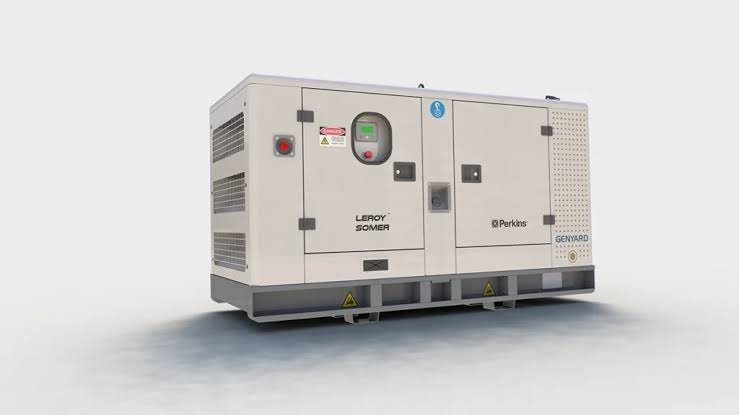
This is where temporary power plant rental in the UAE becomes a practical solution. Instead of relying on a single generator, businesses can deploy a complete temporary power station comprising multiple synchronised diesel generators, electrical distribution equipment, step-up transformers, fuel storage systems, and professional operational support.
Depending on the electrical demand and project design, temporary generation systems can be configured to deliver power in the megawatt range, including projects requiring approximately 1 MW to 20 MW. These systems can support industrial production, construction programmes, utility maintenance, and temporary infrastructure until permanent electricity becomes available.
According to Atlas Copco’s modular power supply guidance, modular generator installations can be connected in parallel with transformer and fuel modules to create a scalable temporary power station. UAE providers also describe complete rental generator plants that combine generators, synchronisation controls, medium-voltage equipment, fuel infrastructure, commissioning, and maintenance.
The important point is that a multi-megawatt power plant is not simply a collection of generators delivered to a site. It is an engineered electrical system that must be designed, connected, tested, and operated as one coordinated installation.
What Is a Temporary Power Plant?
A temporary power plant is a portable or modular electricity-generation system installed for a defined period to meet a site’s power requirements. It may operate as the primary electricity source, provide backup during a utility outage, or supply power while permanent electrical infrastructure is being constructed or upgraded.
Unlike a small standby generator intended for selected emergency loads, a temporary power plant can be designed to support substantial industrial demand across multiple electrical distribution circuits.
A complete installation may include:
- High-capacity diesel generator sets operating individually or in parallel.
- Automatic synchronisation and load-sharing controls.
- Main switchboards, circuit breakers, and electrical protection systems.
- Step-up transformers for medium-voltage distribution at 11kV or 33kV, where the project requires these voltages.
- Power cables, busbars, and site distribution equipment.
- Bunded bulk fuel tanks, transfer pumps, fuel lines, and level monitoring.
- Monitoring, preventive maintenance, emergency response, and operational support.
The exact configuration depends on the load profile, required voltage, site conditions, redundancy requirements, and the duration of the temporary installation.
For example, a manufacturing plant may require continuous power to keep production lines operating during a substation upgrade. An infrastructure contractor may need a temporary electricity supply before the permanent grid connection is commissioned. An oil and gas facility may require additional generation during a planned shutdown or expansion.
In these situations, a complete temporary power station can provide a coordinated solution rather than requiring the customer to manage generators, transformers, fuel arrangements, and electrical integration separately.
When Does a Business Need a Temporary Power Plant in the UAE?
1. Grid Failures and Extended Electricity Interruptions
An extended grid interruption can affect production, refrigeration, pumping, process controls, ventilation, and other essential operations. The consequences depend on the facility, but a prolonged loss of electricity may lead to production delays, interrupted services, equipment downtime, or costly restart procedures.
A temporary power plant can provide an alternative electricity source when the normal supply is unavailable, provided the system is correctly sized and connected.
For larger facilities, the required solution may extend beyond emergency lighting and selected backup circuits. It may need to supply substantial portions of the operating load through a coordinated generation and distribution arrangement.
Before deployment, engineers should establish which loads must remain operational, which can be temporarily disconnected, and whether the installation must support the entire facility or only critical production systems.
2. Utility Substation Upgrades and Planned Outages
A substation power outage backup system may be required when transformers, switchgear, protection equipment, cables, or other electrical infrastructure need replacement, inspection, or upgrading.
For industrial sites, these projects can be particularly challenging because the maintenance window may be shorter than the time required to complete every associated electrical activity.
A temporary plant can be planned around the outage schedule. The work may include preparing the generator compound, installing distribution equipment, completing cable connections, testing protection settings, and arranging an approved transfer to the temporary source.
Dubai Electricity and Water Authority (DEWA) publishes a temporary power disconnection service that identifies documentation such as an outage request, work methodology, risk assessment, and a single-line diagram of the private substation. Its process illustrates why outage planning and electrical documentation should begin before the planned interruption.
Temporary generation does not replace the utility’s approval process. The site owner, electrical contractor, utility, and temporary-power provider must coordinate the isolation, connection, testing, and restoration arrangements applicable to the project.
3. New Industrial Facilities Awaiting Permanent Power
Large facilities do not always receive their permanent grid connection at the same time as construction completion or equipment installation.
Manufacturers may need to test machinery, commission production lines, operate site services, or begin phased operations while permanent electrical infrastructure is still being completed.
A temporary power station can bridge this period, subject to the project’s technical and commercial requirements. Modular generation is particularly useful when demand increases in stages because the system can be planned around commissioning phases rather than the facility’s eventual peak demand alone.
4. Manufacturing Expansion and Heavy Industrial Operations
Manufacturing facilities may require significant electricity for motors, compressors, pumps, furnaces, processing equipment, material handling, and auxiliary systems.
When a facility expands its production capacity, its existing electrical supply may temporarily be insufficient. A rented plant can support additional demand during installation, testing, or an interim production period.
The design must account for more than the sum of equipment nameplate ratings. Motor starting currents, changing production loads, harmonics, power factor, and the consequences of a generator outage can all influence the final configuration.
5. Oil and Gas, Infrastructure, and Large Construction Projects
Oil and gas operations, remote infrastructure sites, large construction programmes, and utility projects may require power before a permanent supply is available or during planned maintenance.
Depending on the site, the plant may need to support pumps, workshops, temporary production systems, construction equipment, accommodation facilities, or commissioning activities.
Hazardous-area projects require additional attention to equipment certification, site zoning, fuel handling, earthing, electrical protection, and the operator’s own engineering standards. A general-purpose generator should not be assumed suitable for a hazardous location without the required assessment and approvals.
How Much Power Can a Temporary Power Plant Supply?
Temporary power plants are modular systems. Their capacity is determined by the ratings of the generator sets, the permissible combined output, the required redundancy, and the limitations of the complete electrical installation.
The following table provides an indicative planning framework rather than a specification for any particular site.
| Indicative capacity | Potential application | Key planning consideration |
|---|---|---|
| 1 MW–2 MW | Smaller industrial facilities, phased commissioning, selected critical loads | Actual demand and motor starting |
| 2 MW–5 MW | Medium-to-large manufacturing and infrastructure projects | Load sharing, fuel autonomy, and distribution |
| 5 MW–10 MW | Major industrial facilities and extended utility works | Medium-voltage integration and redundancy |
| 10 MW–20 MW | Large industrial sites, substantial infrastructure projects, and extensive temporary supply requirements | Plant layout, protection coordination, fuel logistics, and grid-interface engineering |
These ranges are illustrative. They do not establish a guaranteed capacity for a particular project or mean that every generator combination will provide the same usable output.
The difference between megawatts (MW) and megavolt-amperes (MVA) is also important. Generator ratings are often expressed in kVA or MVA, while facility demand may be expressed in kW or MW. Power factor affects the relationship between real power and apparent power.
For instance, a 1,250 kVA generator operating at a rated power factor of 0.8 corresponds to 1,000 kW of real power at that rating. This is a mathematical conversion, not a guarantee that the generator will deliver the same output under every ambient temperature, altitude, load condition, or operating restriction.
For a large project, engineers should calculate the expected demand, assess the required operating margin, and check the manufacturer’s rating and site derating information before selecting equipment.
How Multiple Generators Work Together in a Multi-Megawatt Plant
Generator Synchronisation
A multi-megawatt system may use several generator sets connected to a common electrical bus. This arrangement allows the units to operate together and share the required load instead of relying on one large machine.
The process is known as generator paralleling or synchronisation.
Before a generator breaker can safely connect a set to an energised bus, the control system must verify the required electrical conditions. These include voltage, frequency, phase sequence, and phase-angle relationship within the applicable synchronising limits.
The Cummins Paralleling Application Manual explains the synchronisation and load-sharing requirements involved in parallel generator operation. Cummins also describes generator controls that coordinate synchronising, load sharing, protection, metering, and monitoring.
Once the generator is connected, the control system manages how the operating units share the electrical demand. Active power, measured in kW, and reactive power, measured in kVAr, must be managed appropriately to keep the system operating within its designed limits.
This is essential because poorly coordinated generators can experience unequal loading, instability, unwanted trips, or equipment stress.
Why Multiple Generators May Be Better Than One Large Unit
Using several generators can offer operational flexibility. Units can be started or stopped according to demand, and an appropriately designed installation can maintain supply while a unit is taken out of service for maintenance.
For example, a facility with variable production demand may operate fewer generator sets during lower-load periods and bring additional units online when demand increases. The actual operating strategy must account for minimum loading, fuel efficiency, equipment limits, and the required response to sudden load changes.
Redundancy is another consideration. An N+1 configuration generally means the installation has one additional unit beyond the capacity needed to meet the defined duty. However, N+1 does not automatically guarantee uninterrupted supply: the common bus, switchgear, transformers, cables, controls, and other shared components must also be considered in the reliability assessment.
A multi-megawatt generator hire arrangement should therefore be designed around both the required power capacity and the consequences of losing an individual component.
Integrating 11kV and 33kV Step-Up Transformers
Large industrial facilities often distribute electricity at medium voltage rather than carrying the entire load through low-voltage equipment. Where the project requires it, a temporary power plant can incorporate step-up transformers to connect the generator installation to an 11kV or 33kV distribution network.
How Step-Up Transformers Work
Generator sets commonly produce electricity at low voltage. A transformer raises that voltage to the level required by the site’s distribution system.
A typical arrangement may follow this sequence:
- Individual generators supply a low-voltage bus.
- Synchronising controls coordinate the generators and manage load sharing.
- Main switchgear and protective devices control the combined output.
- A correctly rated step-up transformer raises the voltage to the required medium-voltage level.
- Medium-voltage switchgear, cables, and protection equipment connect the temporary supply to the designated load or network interface.
The actual arrangement may differ. Some installations use separate transformers for generator groups, while others employ a different distribution architecture based on the site load and fault-level requirements.
Why 11kV and 33kV Connections Require Engineering
The transformer must be selected according to the required capacity, voltage ratio, impedance, cooling arrangement, installation conditions, and applicable protection requirements.
The wider electrical system must also be checked for short-circuit withstand capability, earthing, relay coordination, cable ratings, voltage regulation, and the ability of connected equipment to operate safely during normal and abnormal conditions.
Where the temporary plant is intended to operate in parallel with the utility network, additional synchronisation, interlocking, anti-islanding, and utility-interface requirements may apply. An isolated temporary supply and a plant operating in parallel with the public grid are not interchangeable designs.
Consequently, the temporary power provider and the site’s authorised electrical engineering team should review the single-line diagram, protection settings, connection method, switching sequence, and commissioning procedure before energisation.
Fuel Storage and Continuous Refuelling for Temporary Power Plants
A generator plant operating around the clock needs a fuel system designed around its actual consumption and the reliability required by the project.
At multi-megawatt scale, fuel logistics become a central part of plant operation. Running out of fuel can interrupt the entire electricity supply even if all generators and electrical equipment remain operational.
ISO Bunded Fuel Tanks and Spill Containment
Temporary power installations may use bulk fuel tanks, day tanks, transfer pumps, monitored fuel lines, and automatic replenishment systems.
Where specified and approved for the project, double-wall or self-bunded tanks provide secondary containment around the primary tank. The correct tank design must be verified against the applicable site rules, authority requirements, manufacturer documentation, and relevant fire and environmental standards.
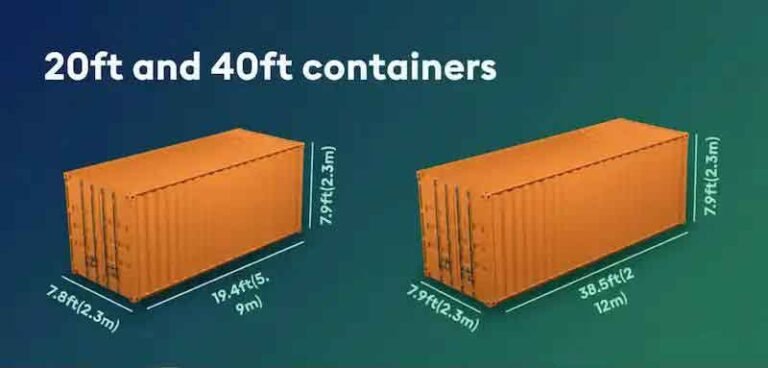
An ISO-format container does not automatically mean a fuel tank complies with every applicable requirement. Tank construction, transport certification, containment, fire protection, placement, connections, and inspection requirements must be checked separately.
The Abu Dhabi Department of Energy’s Health, Safety and Environment guidance identifies fuel storage tank regulations among its regulatory responsibilities. Applicable requirements differ by activity, location, and authority, so a project’s fuel-storage arrangement should be reviewed before installation.
Automated Tanker Refuelling
Continuous operation may require a coordinated delivery plan supported by fuel-level monitoring, consumption estimates, delivery scheduling, and sufficient reserve capacity.
Depending on the equipment and site design, an automated system may monitor tank levels and activate transfer pumps to replenish day tanks from a bulk tank. Tanker deliveries can then replenish the bulk storage supply according to a planned schedule.
A reliable fuel plan should consider:
- Expected fuel consumption at the anticipated operating load.
- Daily and peak demand, including changing load conditions.
- Available bulk storage and the required reserve period.
- Delivery lead times, site access, and tanker availability.
- Transfer pump capacity, alarms, leak detection, and overfill protection.
- Spill response, fire protection, inspections, and approved refuelling procedures.
Automated fuel transfer is not the same as fully automated tanker unloading. The latter requires a separately engineered and approved procedure with appropriate safeguards, monitoring, and trained personnel.
Estimating Fuel Demand
Fuel consumption depends on generator size, engine efficiency, operating load, ambient conditions, maintenance condition, and the manufacturer’s published consumption data.
For preliminary planning, a project team can estimate hourly fuel demand from the selected generator’s consumption curve at the expected load. The total demand is then calculated using the operating schedule, with an appropriate allowance for changing loads and reserve requirements.
A dependable fuel plan should not rely solely on the maximum tank capacity or a generic litres-per-hour figure. The engineering team should establish expected consumption from the actual proposed equipment and confirm how fuel will be delivered and reperiod.
Frequently Asked Questions
1. What is temporary power plant rental in the UAE?
Temporary power plant rental provides a temporary electricity-generation system for industrial facilities, construction sites, and infrastructure projects when grid power is unavailable or insufficient. Depending on the project, it can include synchronised diesel generators, transformers, switchgear, fuel storage, installation, and maintenance support.
2. Can a temporary power plant provide 1 MW to 20 MW of electricity?
Yes, multiple generator sets can be combined to provide megawatt-scale power, subject to equipment availability and the project’s engineering requirements. The final usable capacity depends on generator ratings, site conditions, load demand, transformer capacity, and redundancy requirements.
3. When is a temporary power plant required?
A temporary power plant may be required during grid failures, substation upgrades, planned electrical shutdowns, industrial expansions, construction projects, and commissioning of new facilities awaiting permanent electricity connections.
4. What is multi-megawatt generator hire?
Multi-megawatt generator hire involves renting multiple high-capacity generator sets that work together to supply substantial electrical loads. It is commonly considered for heavy manufacturing, oil and gas operations, large construction sites, and infrastructure projects.
5. How does a temporary power plant provide substation power outage backup?
The temporary plant is installed, tested, and connected according to an approved electrical design and switching procedure. It supplies the designated loads while the normal substation or utility connection is unavailable. The arrangement must prevent unsafe connections between temporary generation and the existing electricity network.
6. Can temporary generators supply 11kV or 33kV power?
Yes, a suitably designed temporary power plant can use step-up transformers to raise generator output to 11kV or 33kV where required. The installation must include compatible switchgear, cables, earthing, protection systems, and any applicable utility approvals.
7. How are multiple diesel generators synchronised?
Synchronisation controls verify that generator voltage, frequency, phase sequence, and phase angle meet the required conditions before connecting a generator to an energised bus. Load-sharing controls then coordinate the generators to distribute electrical demand within their operating limits.
8. How is continuous fuel supply maintained for a temporary power plant?
Continuous fuel supply is maintained through appropriately sized bulk storage, fuel-level monitoring, planned tanker deliveries, and, where specified, automatic transfer pumps that replenish generator day tanks. Fuel consumption and reserve requirements should be calculated using the selected equipment’s actual operating data.
9. What are ISO bunded fuel tanks?
ISO-format fuel containers may be designed to support transport and site installation, while bunded tanks provide secondary containment around the primary fuel tank. The tank must meet the applicable fuel-storage, fire-safety, environmental, and site-specific requirements; ISO dimensions alone do not establish regulatory compliance.
10. How quickly can a temporary power plant be deployed in Dubai?
Deployment time depends on the required capacity, equipment availability, site access, transport arrangements, electrical connections, approvals, and commissioning requirements. Some modular installations may be mobilised within days, but complex multi-megawatt projects require a project-specific schedule confirmed by the provider.
11. Which industries use temporary power plant rental in the UAE?
Industries that may require temporary power include heavy manufacturing, oil and gas, construction, infrastructure development, utilities, and industrial commissioning projects. The plant configuration is selected according to each site’s load demand, operating conditions, and electrical requirements.
12. What factors affect temporary power plant rental costs?
Rental costs depend on generator capacity, rental duration, fuel consumption, transformers, switchgear, cabling, transportation, lifting, installation, commissioning, maintenance, and required standby capacity. An itemised quotation helps businesses compare the complete cost of each proposed solution.
13. Does a temporary power plant require a standby generator?
Not every project requires a standby unit. However, facilities that need a high level of supply reliability may require additional generation capacity under an N+1 arrangement. Engineers should also assess common components, including switchgear, transformers, cables, and controls, because these can affect overall system reliability.
14. What information is needed to request a temporary power plant quotation?
Businesses should provide the required power capacity, operating voltage, site location, expected operating hours, rental duration, connected equipment, required start date, and redundancy needs. A single-line electrical diagram and load schedule can help the provider prepare a more accurate technical proposal.
15. Where can businesses arrange temporary power plant hire in the UAE?
Businesses can explore temporary power plant hire in UAE for larger industrial and infrastructure requirements. For projects requiring conventional generator equipment, they can also review diesel generator rental and request a solution based on their site’s electrical requirements.
Need Reliable Temporary Power or Cooling in the UAE?
From 20 kVA mobile silent generators up to multi-megawatt synchronized power plants and 500 TR packaged chillers. Complete turnkey delivery, cabling, and 24/7 on-site maintenance across Dubai, Abu Dhabi, and Sharjah.