Phone:
(+971) 56 921 3754
Physical address:
Office #201, Al Quoz Industrial Area
Dubai, United Arab Emirates.
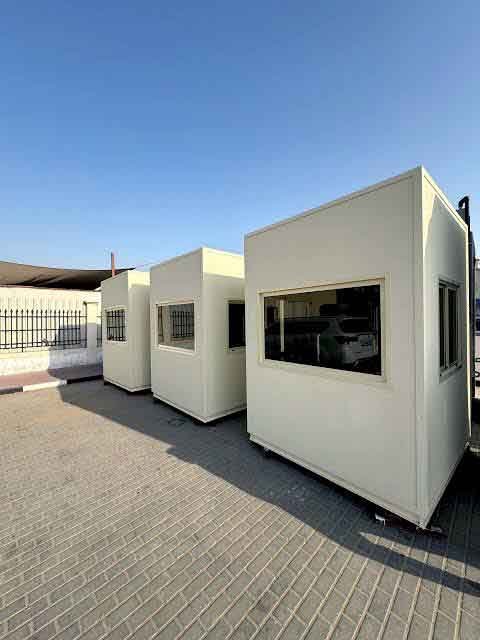
New vs Used Portacabins for UAE Construction Sites
Finding a used portacabin for sale in Dubai can be a cost-effective way for construction companies, contractors, industrial businesses and project managers to create functional workspace without investing in a completely new prefabricated building. Whether you need a construction site office, temporary accommodation, a security cabin or an additional storage area, a well-maintained used portacabin can offer practical value when selected carefully.
Dubai’s construction and industrial sectors often require flexible facilities that can be transported, installed and relocated as project requirements change. Portable cabins provide an alternative to permanent construction, particularly for temporary projects where speed, budget and space utilisation matter.
However, buying a second-hand cabin requires more than comparing advertised prices. Buyers should inspect the steel structure, insulation, roof waterproofing, electrical wiring, air-conditioning provisions, plumbing and transportation requirements before making a purchase.
This guide explains how to compare new and used cabins, evaluate refurbished units, understand indicative prefab cabin prices in the UAE, and prepare for delivery and installation in Dubai.
1. Why Buy a Used Portacabin in Dubai?
A portacabin is a prefabricated, transportable structure designed to provide enclosed space for a specific purpose. Depending on its dimensions and configuration, it can function as an office, accommodation unit, security room, meeting room, storage facility or welfare area.
Buying a used unit can be particularly attractive when a business needs additional space without paying the full price of a new cabin.
Lower initial investment
One of the main advantages of buying used is the potentially lower purchase price. A cabin that has already been manufactured and previously used may cost considerably less than a new unit with comparable dimensions and fittings.
For contractors managing several projects, this difference can free up budget for equipment, labour, site preparation and other operational expenses.
Faster availability
A suitable used cabin may already be available in a supplier’s yard. This can reduce the waiting period associated with manufacturing a new unit, although delivery scheduling, refurbishment and site approvals can still affect the overall timeline.
Practical reuse
A structurally sound cabin can often be reused at another project rather than replaced. Reusing an existing unit can also reduce the need to manufacture an entirely new structure.
Flexible applications
Depending on its design and condition, a used portacabin can serve as:
- A construction site office for engineers and project managers.
- A meeting room for contractors and supervisors.
- A security cabin at an entrance or industrial facility.
- A temporary office for maintenance teams.
- A storage room for tools and site documentation.
- A temporary accommodation or welfare facility, subject to applicable requirements.
Before choosing a unit, identify its intended use. A cabin designed for office work may not be suitable for sleeping accommodation or sanitary facilities without additional equipment, modifications and approvals.
2. Used Portacabin Price in Dubai: New vs Refurbished
Price is one of the most important factors when comparing a used portacabin for sale in Dubai with a new prefab unit.
The following figures are indicative budget ranges for comparison, not verified market-wide averages or guaranteed supplier quotations.
Actual prices depend on the cabin’s size, structural condition, insulation, layout, electrical fittings, air conditioning, sanitary facilities and refurbishment requirements.
What affects the prefab cabin price in the UAE?
The price of a prefabricated cabin is influenced by several factors.
Size and layout: Larger cabins generally require more materials and may require additional transport or lifting capacity. Internal partitions, separate rooms and specialised layouts can also increase costs.
Insulation quality: Insulated sandwich panels can improve indoor comfort and reduce heat transfer. The insulation material, thickness and condition influence the value of the cabin.
Electrical fittings: Distribution boards, lighting, sockets, air-conditioning provisions and the condition of the existing wiring affect the overall specification.
Plumbing and sanitary facilities: Cabins with toilets, washbasins, showers, water tanks and drainage connections typically require more extensive equipment than basic office units.
Condition and refurbishment: A unit with repaired panels, sound flooring, tested electrical systems and serviced air conditioning may command a higher price than an unrefurbished cabin.
Delivery and installation: Transportation, offloading, crane hire, site access and final positioning can add significantly to the project cost.
Is a refurbished cabin worth the additional cost?
A refurbished cabin can offer a useful balance between price and condition when the work has been properly completed.
However, the word refurbished should not be accepted as proof that a cabin is structurally sound. Ask the supplier for a written description of the repairs completed, components replaced and systems tested.
For further background, see Rental Power’s guide to buying portacabins in the UAE.
3. Where to Find a Used Portacabin for Sale in Dubai
Buyers can compare specialist portable-cabin suppliers, prefab manufacturers, industrial equipment dealers and online classified listings.
A useful starting point is to review suppliers that offer multiple cabin configurations and can explain the condition, specifications and delivery requirements of each unit.
When comparing quotations, request the following information:
- Overall dimensions and usable floor area.
- Structural material and frame condition.
- Wall and roof panel specifications.
- Insulation type and thickness.
- Electrical installation details.
- Air-conditioning provisions and equipment condition.
- Plumbing and sanitary fittings, where applicable.
- Photographs of the actual cabin.
- Details of previous repairs and refurbishment.
- Delivery, lifting and installation charges.
- Warranty terms, if offered.
Compare like-for-like specifications rather than selecting a supplier based only on the lowest advertised price.
For buyers evaluating available options, the used portacabin and portable cabin options in Dubai are a relevant starting point.
4. Structural Integrity Checklist Before Buying
Structural inspection is essential because damage to a cabin’s frame, floor or roof can result in expensive repairs after delivery.
A cabin may appear attractive after repainting while concealing corrosion, damaged panels or evidence of water ingress. Inspect the actual unit before committing to the purchase.
Check the steel chassis for rust
Begin with the base frame and supporting steel members. These components carry the cabin’s weight and help maintain its structural stability during transportation and use.
Inspect:
- Chassis corners and exposed steel sections.
- Welded joints and connections.
- Underside cross-members and support points.
- Areas near doors and external openings.
- Sections where water or dirt may accumulate.
- Evidence of previous welding, patching or structural repairs.
Surface rust and advanced corrosion are not equivalent. Surface corrosion may be treatable, whereas deep pitting, thinning steel, cracked welds or distorted structural members require a more detailed assessment.
Ask the supplier whether corrosion has been treated and whether any structural repairs have been documented. Where significant deterioration is suspected, obtain an assessment from a suitably qualified professional before purchase.
Inspect the wall and roof sandwich panels
Many portable cabins use insulated sandwich panels with metal skins surrounding an insulation core.
Polyurethane (PU) insulation is one option used in prefab cabin construction. Panel thickness can vary by product and application, so buyers should verify the actual specification rather than assume every cabin has the same insulation.
For a cabin intended for Dubai’s hot climate, ask whether the wall and roof panels use 50 mm, 75 mm or 100 mm PU insulation, or another documented specification appropriate to the intended use.
These thicknesses are inspection and comparison points, not a universal statement of minimum regulatory requirements.
Check for:
- Dents, punctures and damaged panel edges.
- Separation between metal skins and insulation.
- Moisture penetration or swelling in affected components.
- Open joints between adjacent panels.
- Gaps around windows, doors and service penetrations.
- Evidence of previous panel replacement.
- Missing or damaged internal finishes.
Check the roof seams and waterproofing
Roof leakage is a common concern with any used portable structure. Water can damage ceiling finishes, flooring, insulation and electrical components.
Inspect the roof carefully for:
- Open or deteriorated panel joints.
- Damaged flashing and sealant.
- Corrosion around fasteners.
- Blocked or damaged gutters and downpipes, where fitted.
- Low points where water could collect.
- Stains on ceiling panels.
- Signs of previous patching or leakage.
Ask the supplier to demonstrate the condition of the roof and explain any repairs carried out. A controlled water-ingress test may be appropriate where it can be performed safely.
Do not assume that a recently painted ceiling or roof means the cabin is waterproof.
Inspect the floor, doors and windows
The floor should feel stable underfoot, without unusual movement, soft spots or extensive deterioration. Check for water damage near external doors, plumbing fixtures and wall edges.
Doors should open and close properly, and their frames should not be distorted. Windows should have intact glazing, functional locks and suitable seals.
For cabins intended for frequent relocation, also ask whether previous lifting or transport has affected the frame, doors or panel joints.
5. Electrical Wiring, Circuit Breakers and Air Conditioning
A used cabin’s electrical system deserves a separate inspection because defects may be hidden behind wall panels, ceilings or distribution boards.
Before connecting the cabin to a power supply, have the installation assessed by a competent electrician.
Inspect the electrical distribution board
Check the distribution board for physical damage, missing covers, loose components, signs of overheating and unclear circuit labelling.
Confirm that the installation has suitable circuit protection and that the protective devices are appropriate for the connected loads.
The inspection should include:
- Circuit breakers and their condition.
- Residual-current protection where required.
- Earthing and bonding arrangements.
- Cable insulation and exposed wiring.
- Wall sockets, switches and lighting.
- Connections to the external electrical supply.
- Suitability of the installation for the intended equipment.
A visual inspection alone cannot establish that wiring is safe. Appropriate electrical tests should be completed before the cabin is occupied.
Check the split AC cutouts and installation
Many office cabins are designed with wall openings or mounting provisions for split air-conditioning units.
Inspect the AC cutout for damaged panel edges, poor sealing, water penetration and signs of improvised modifications. The opening should be properly finished and sealed around the installed equipment or any blanking panel.
If an air-conditioning unit is included, verify that it operates correctly and that the condensate drainage is routed appropriately.
Also assess whether the unit’s capacity is suitable for the cabin’s floor area, occupancy, insulation and heat exposure. An existing AC unit should not automatically be assumed to provide sufficient cooling.
Review electrical and fire-safety documentation
Ask the supplier for available electrical test reports, equipment information and relevant safety documentation.
Where required by the intended use and site, verify the applicable fire-safety provisions and approvals with the responsible authority.
For general regulatory context, refer to the Dubai Building Code and confirm which requirements apply to the specific installation.
6. Sanitary Plumbing and Water Connections
If you are buying a cabin with a toilet, washbasin or shower, inspect the plumbing before agreeing to the final price.
A cabin with existing sanitary fittings can be convenient, but leaks, blocked drains and deteriorated pipework can create additional costs.
Check the following:
- Water supply pipes and visible connections.
- Taps, washbasins, toilets and shower fittings.
- Water tanks and pumps, if fitted.
- Drainage pipes and traps.
- Evidence of leakage beneath fixtures.
- Water damage around the floor and wall penetrations.
- Odours indicating possible drainage problems.
- The condition of external connection points.
Where practical, ask the supplier to demonstrate the fixtures under operating conditions. Drainage should be checked for leaks and proper flow.
Confirm how the cabin will connect to the site’s approved water supply and drainage arrangements. A portable toilet cabin may need a different setup from a standard office unit.
Do not assume that an existing plumbing layout is suitable for every site or that a cabin can be connected to a sewer without approval.
7. Choosing a Construction Site Office Cabin in Dubai
A construction site office cabin in Dubai should be selected according to the size of the project, number of occupants, work activities and duration of use.
A small cabin may be adequate for a security guard or a single supervisor, while a larger office may be required for project engineers, document controllers, meetings and administrative work.
Basic office cabin
A basic office cabin may include lighting, electrical sockets, windows, doors and provisions for air conditioning.
This configuration can suit smaller projects where the main requirement is a secure indoor workspace.
Project management office
A larger office cabin can accommodate desks, storage cabinets, printers and meeting space. Internal partitions may be helpful when several teams need separate working areas.
Before purchase, confirm the usable floor area, door positions, available sockets, lighting arrangement and cooling capacity.
Combined office and welfare facilities
Some projects require separate areas for administration, changing, washing or other welfare activities.
These needs should be planned carefully because accommodation and welfare facilities can be subject to requirements beyond those applying to a simple temporary office.
The intended occupancy and permitted use should be confirmed before the cabin is ordered.
Accommodation cabins
A cabin intended for sleeping or worker accommodation should not be treated as interchangeable with a basic site office.
Accommodation may require different layouts, ventilation, sanitary facilities, fire-safety provisions and other approvals. Check the relevant requirements with the responsible authorities before purchase and installation.
8. Municipal Permits and Site Approvals in Dubai
Buying a portable cabin does not automatically authorise its installation on a construction site.
The necessary permissions depend on the site, intended use, project arrangements and the authority responsible for the land.
Dubai Municipality provides information on building permits and construction-related procedures. Its services also include a temporary land-use permit for certain temporary activities, including temporary offices associated with qualifying projects.
The existence of a temporary-use permit does not mean every cabin installation requires exactly the same application. Confirm the appropriate process for the specific site before arranging delivery.
What should be confirmed before installation?
- Site permission: Obtain confirmation from the landowner, main contractor or authorised site manager that the cabin can be installed in the proposed location.
- Applicable authority: Determine whether Dubai Municipality, a relevant free-zone authority, a master developer or another competent authority governs the site.
- Permitted use: Confirm whether the cabin will be used as an office, storage space, welfare facility or accommodation.
- Location and access: Ensure the proposed position does not obstruct access routes, emergency exits, underground utilities or required working areas.
- Utility connections: Verify the approved arrangements for electrical supply, water and drainage where applicable.
- Removal requirements: Establish whether the cabin must be removed and the area reinstated when the project ends.
These sources should be checked alongside the conditions issued for the individual project. Do not rely solely on a seller’s assurance that permits are unnecessary.
9. Flatbed Trailer Transport and Crane Placement
Transport and installation can have a significant impact on the total cost of a used portacabin.
A cabin that is affordable at the supplier’s yard may become less economical if it requires specialist transport, difficult site access or extensive lifting arrangements.
Plan flatbed trailer transport
Before booking transport, provide the supplier and transporter with the cabin’s dimensions, estimated weight, lifting points and delivery address.
Confirm:
- Whether the cabin fits the intended transport vehicle.
- Whether its dimensions or weight trigger special transport requirements.
- Whether the route permits the proposed vehicle and load.
- Whether access roads and site entrances are suitable.
- Whether any access restrictions or delivery time windows apply.
- Who is responsible for transport permits, if required.
The cabin must be properly secured for transport. Lifting and loading should be carried out using suitable equipment and competent personnel.
For oversized or overweight vehicle movements, consult the RTA mobility permit service. The RTA identifies permit requirements for vehicles exceeding specified dimensions or weight thresholds; the applicable rules should be confirmed for the actual load.
Arrange crane placement
A crane may be necessary when the cabin cannot be safely unloaded directly from the transport vehicle.
The lifting plan should account for the cabin’s weight, lifting points, crane capacity, ground conditions, working radius and nearby obstructions.
Before delivery, ensure that:
- The crane can reach the intended installation position.
- The ground can safely support the crane and any required support equipment.
- The cabin has suitable lifting points.
- The delivery area is clear of unnecessary obstacles.
- Site personnel can maintain an appropriate exclusion zone.
- The cabin can be positioned without damaging nearby structures or services.
Do not assume that every portacabin can be lifted using the same method. The lifting arrangement must suit the specific unit and site conditions.
Prepare the foundation or support area
The installation surface should be suitable for the cabin’s weight and intended use.
Depending on the design and site conditions, the cabin may require prepared supports, a level hardstanding area or another appropriate foundation arrangement.
Confirm the required support points and levelling procedure with the supplier or a qualified professional. Incorrect support can contribute to floor distortion, door misalignment and structural stress.
Also consider access for future maintenance, utility connections and eventual removal.
10. Calculate the Total Cost Before Purchasing
The most affordable cabin is not necessarily the one with the lowest advertised price.
To compare offers fairly, calculate the total expected cost of putting the cabin into service.
Total project cost = purchase price + inspection + repairs + transport + offloading + installation + utility connections + required approvals
Not every project will incur every item, and some quotations may include several services. Ask suppliers to identify precisely what is included and excluded.
For example, consider two hypothetical offers:
11. Used vs Refurbished vs New: Which Is the Better Choice?
Each option offers different advantages.
Used portacabin: Suitable when the budget is tight and a cabin in its existing condition meets the project’s requirements. Inspection and repair costs must be considered.
Refurbished portacabin: Potentially suitable when the buyer wants a balance between purchase price and condition. The extent and quality of refurbishment should be documented and verified.
New prefab cabin: Suitable when the project requires a particular layout, specification, finish or equipment package. The buyer can specify requirements from the beginning, although manufacturing and delivery lead times may apply.
The best choice depends on the project’s duration, intended use, available budget, required specification and the condition of the actual unit.
12. Why Consider Used Caravan Accommodation Units?
A standard portacabin is not always the most suitable option for every project.
If the requirement involves temporary sleeping or accommodation space, it may be useful to compare purpose-designed accommodation units as well as conventional cabins.
Depending on the available configuration, a caravan-style unit may offer an alternative layout for temporary accommodation or mobile facilities.
However, buyers should compare the usable space, insulation, ventilation, sanitary arrangements, electrical installation, transport requirements and approvals rather than assuming that a caravan is automatically suitable for accommodation.
Explore used caravan accommodation units to compare this alternative with conventional portacabins.
13. Questions to Ask the Supplier Before Buying
Before paying a deposit, request clear answers to these questions.
What is the cabin’s history? Ask about previous use, age, relocation history and major repairs.
Has the cabin been refurbished? Request a list of completed work and details of any components that were replaced.
What is the insulation specification? Confirm the insulation material and thickness for the walls and roof.
Is the electrical system tested? Ask for available test reports and clarify whether the electrical installation is ready for connection.
Does the cabin include air conditioning? Confirm whether the AC unit is included, tested and suitable for the intended space.
Are plumbing facilities included? Identify all fixtures and confirm whether tanks, pumps, drainage connections and installation work are included.
Is delivery included? Obtain a separate transport quotation if delivery is excluded.
Who arranges lifting and placement? Clarify whether crane hire, offloading and positioning are included.
What approvals are required? Confirm the site-specific requirements with the responsible authority rather than relying solely on the supplier.
Is there a warranty? If a warranty is offered, obtain its duration, coverage and exclusions in writing.
Frequently Asked Questions
1. What is the price of a used portacabin for sale in Dubai?
The price depends on the size, condition, fittings, insulation, refurbishment and delivery requirements. An indicative comparison range for inspected used or refurbished units is AED 9,000–22,000, while new prefab units may fall within AED 25,000–60,000. These are budgeting estimates, not fixed market prices. Obtain current quotations for the required specification.
2. Is a refurbished portacabin better than a used one?
A refurbished cabin may offer better value if its structural repairs, electrical work and other restoration activities have been completed properly. Ask for a written refurbishment record and inspect the unit before purchase.
3. What insulation should I check in a used portacabin?
Check the panel material, thickness, condition and installation. PU sandwich panels in thicknesses such as 50 mm, 75 mm and 100 mm may be encountered in prefab construction. The appropriate specification depends on the cabin design and intended use.
4. Can I use a used portacabin as a construction site office in Dubai?
Potentially, yes, provided the cabin is suitable for the intended use and the relevant site permissions and safety requirements are met. Confirm the installation arrangements with the responsible site manager and authority.
5. Do I need a permit to install a portacabin in Dubai?
Requirements depend on the location, land-use arrangements, project and intended use. Dubai Municipality provides information on building permits and temporary land-use permits. Check the requirements applicable to your specific site before delivery.
6. What should I inspect before buying a second-hand portacabin?
Inspect the steel chassis, corrosion, floor, wall panels, roof seams, insulation, doors, windows, electrical wiring, circuit breakers, air-conditioning provisions and sanitary plumbing. Request appropriate professional checks for structural or electrical concerns.
7. Is transportation included in the advertised cabin price?
Not necessarily. Ask whether the quotation includes flatbed transport, offloading, crane hire, placement and installation. Confirm any special transport requirements before scheduling delivery.
8. Should I buy a portacabin or a caravan for accommodation?
The choice depends on the intended occupancy, layout, facilities, mobility requirements and applicable approvals. Compare the actual specifications of both options before deciding.
Conclusion
Buying a used portacabin for sale in Dubai can be a practical way to obtain office, storage, security or other temporary project space at a lower initial cost than purchasing a comparable new unit.
However, a successful purchase depends on more than price. The cabin’s steel chassis, insulation, roof waterproofing, electrical installation, air conditioning, plumbing and refurbishment history should all be checked before committing to the purchase.
Buyers should also confirm the relevant site approvals, calculate the full transport and installation costs, and arrange suitable flatbed delivery and crane placement where necessary.
By comparing documented specifications and total project costs, businesses can make a more informed decision between used, refurbished and new prefab cabins.
If you are comparing options for your next project, explore used portacabins for sale in Dubai and used caravan accommodation units to assess the options that best match your site requirements and budget.
Need Reliable Temporary Power or Cooling in the UAE?
From 20 kVA mobile silent generators up to multi-megawatt synchronized power plants and 500 TR packaged chillers. Complete turnkey delivery, cabling, and 24/7 on-site maintenance across Dubai, Abu Dhabi, and Sharjah.