Phone:
(701)814-6992
Physical address:
6296 Donnelly Plaza
Ratkeville, Bahamas.

Phone:
(701)814-6992
Physical address:
6296 Donnelly Plaza
Ratkeville, Bahamas.
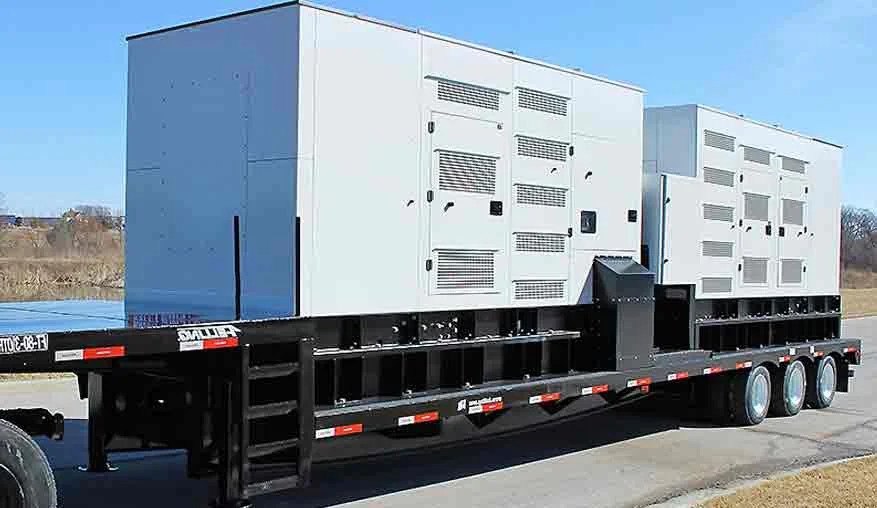
Reliable electricity is essential for businesses, construction projects, industrial facilities, commercial buildings, events, and other operations across the UAE. Even when a site has a permanent utility connection, an unexpected interruption or planned electrical shutdown can affect critical equipment, IT systems, cooling, security systems, production processes, and day-to-day operations.
This is where standby power rental in the UAE can provide a temporary backup solution. Instead of purchasing a generator and maintaining it as a permanent asset, a business can rent a suitably sized generator for the period it needs additional or emergency power. UAE rental providers commonly supply diesel generators for temporary, standby, and emergency applications, with services that can include delivery, installation, connection, testing, maintenance, and technical support.
But standby power rental is more than simply placing a generator beside a building. The generator rental capacity, electrical connection, changeover arrangement, fuel requirements, load characteristics, site conditions, and operating requirements all need to be considered. In some applications, an automatic transfer arrangement can detect a utility failure and transfer selected loads to generator power. Dubai Electricity and Water Authority (DEWA) documentation specifically addresses backup arrangements using mobile generators and auto-changeover facilities for applicable installations.
Standby power rental is a temporary backup electricity service in which a generator is supplied to provide power when normal utility electricity is unavailable or interrupted.
The rented generator normally remains ready for operation while the main electrical supply is available. When the utility supply fails, the backup system can be started and the appropriate electrical loads can be transferred to generator power, depending on the configuration of the site.
For rental applications, the generator is selected according to the customer’s electrical requirements rather than simply choosing the largest available machine. The provider may assess the connected load, expected simultaneous demand, motor starting requirements, rental duration, location, operating environment, and the equipment that actually needs backup. Generator-rental companies in the UAE describe load assessment and starting loads as important considerations when determining generator capacity.
This makes standby power rental useful when a company needs temporary protection against power interruptions without committing to the purchase and long-term ownership of a generator.
The process generally starts with an assessment of the customer’s power requirement. The rental provider needs to understand what equipment must remain operational during a utility interruption and how much electrical capacity that equipment requires.
For example, a commercial facility may want to protect essential lighting, security systems, communications equipment, servers, pumps, or selected HVAC equipment rather than powering every electrical load in the building. A construction project may have different requirements, while an industrial facility could need backup for selected production or process equipment.
Once the required load is understood, the provider can recommend an appropriately sized generator. Generator capacity is commonly expressed in kVA, but the actual selection also depends on the electrical characteristics of the equipment being powered. Motors, compressors and other equipment can have higher starting requirements than their normal running demand, so these conditions need to be considered during sizing.
After the generator is selected, it is transported to the site. Depending on the project, the rental service can involve positioning the generator, connecting cables and distribution equipment, integrating the unit with the site’s changeover arrangement, and testing the system before it is placed into service. UAE rental providers commonly describe delivery, connection, installation and commissioning as part of temporary power projects.
During normal utility operation, the generator remains available as backup. If the utility supply fails, the changeover system can transfer the designated electrical loads to generator supply. When utility power is restored, the system can transfer the loads back to the normal supply according to the installed control arrangement.
The exact sequence depends on the electrical design and equipment installed at the site. It is therefore important that generator connections are designed and installed correctly rather than treating a rental generator as a simple plug-in appliance.
A standby power arrangement can involve several pieces of equipment rather than the generator alone.
The main component is the generator set, which normally consists of a diesel engine, alternator, control system and associated protection equipment. Diesel generators are widely offered for UAE rental applications because they can provide independent power for construction, industrial, commercial and backup applications.
An Automatic Transfer Switch (ATS) or another approved changeover arrangement may be used to transfer selected loads between the utility supply and generator supply. The exact configuration depends on the site’s electrical system and applicable requirements.
Power cables, distribution boards, fuel systems and protection equipment may also be required. Larger industrial or project applications can require additional equipment and engineering support. Some UAE rental providers offer complete temporary power packages that include mobilization, cabling, fuel tanks, load management, installation and maintenance.
The purpose of combining these components is to create a coordinated backup system rather than simply supplying a generator.
One major reason is business continuity. A power interruption does not necessarily have to stop every operation at a facility, but critical equipment may need to remain operational until normal electricity is restored.
For example, a commercial property may need backup electricity for essential systems. A warehouse may need to protect temperature-sensitive operations or security equipment. An industrial facility may require temporary backup during planned electrical work. Construction projects may also use generators where permanent electrical infrastructure is unavailable or where temporary backup is required.
Rental power can also be useful because the requirement may only exist for a limited period. Purchasing a generator can involve an upfront capital expense as well as ongoing maintenance, testing, storage and ownership responsibilities. Rental allows the business to obtain generating capacity for the period required. UAE rental providers specifically position generator hire for temporary projects, emergency backup, planned maintenance and situations where additional capacity is required.
Not every generator rental is caused by an unexpected outage.
Businesses sometimes need temporary power while electrical equipment, switchgear, transformers or other infrastructure is being maintained or upgraded. During these periods, the normal electrical supply may need to be isolated.
A temporary standby generator can help maintain selected operations while the planned electrical work is carried out.
This is particularly useful when shutting down the entire facility would cause operational or financial problems. The generator can be sized around the loads that need to remain operational rather than automatically supplying the entire site.
DEWA material concerning uninterrupted power arrangements also refers to provisions for connecting mobile generators during emergencies and providing access for generator transportation, positioning, cabling and connection.
Construction sites often have changing electricity requirements. During early stages of a project, permanent utility power may not yet be available. Later, additional equipment can increase the site’s electrical demand.
Generators can therefore serve either as a primary temporary power source or as backup for a site that already has a grid connection.
Construction applications can include site offices, temporary facilities, lighting, pumps and electrically powered equipment. UAE rental providers describe diesel generators as suitable for both continuous site power and standby applications.
For standby use, the generator does not necessarily need to support every piece of equipment on the construction site. The rental provider and electrical contractor can determine which loads are critical during an interruption and size the backup arrangement accordingly.
Industrial sites can have complex electrical requirements because equipment may include motors, pumps, compressors, production machinery and control systems.
An incorrectly sized generator may struggle with high starting loads or may not provide the required electrical characteristics for sensitive equipment. This is why proper load assessment is particularly important for industrial standby power.
Industrial rental providers in the UAE offer temporary power solutions for applications including manufacturing, oil and gas, marine and other demanding projects. Some provide engineered packages covering generator selection, delivery, installation, commissioning, operation and maintenance.
For larger facilities, the solution may involve multiple generators, load management or other engineered arrangements rather than a single standalone generator.
Generator sizing is one of the most important parts of a standby power rental project.
A generator that is too small may not be able to handle the required electrical load. High starting currents from motors and compressors can also create additional demands that are not obvious from normal running consumption.
On the other hand, choosing a substantially oversized generator can result in unnecessary rental capacity and may lead to inefficient operation.
The correct approach is to establish the actual loads that require backup, identify starting characteristics, consider simultaneous operation, and then select an appropriate generator capacity. UAE rental guidance similarly emphasizes total load and starting requirements when selecting generator size.
In an appropriately designed automatic standby system, the electrical controls detect the loss of the normal supply. The generator is then started and, once the required operating conditions are reached, the changeover equipment transfers the designated loads to generator power.
The generator continues supplying those loads while the normal supply is unavailable.
When utility power returns, the changeover arrangement can transfer the loads back to the normal supply and the generator can return to standby condition, depending on the control configuration.
This automatic process is one reason ATS-compatible generators are commonly used for backup applications. Rental Power, for example, lists auto-start and ATS compatibility among the features of its diesel generator rental equipment.
However, the actual transfer time and system behavior depend on the installed equipment and electrical design. Critical applications may also use UPS systems or other technologies where even a brief interruption cannot be tolerated.
A standby generator can remain unused for long periods, which makes testing and maintenance important.
A generator that starts successfully does not necessarily prove that it can carry the required electrical load. Load-bank testing is one method used to exercise and evaluate generator performance under controlled load conditions. UAE providers describe load-bank testing as a way to verify generator performance, including the ability of the engine and alternator to operate under load.
Maintenance can include inspection of the engine, cooling system, fuel system, battery and starting system, filters, electrical controls and other components. UAE operating conditions can also place additional demands on equipment because of high ambient temperatures, dust and humidity.
For a rented generator, maintenance and technical support are often handled as part of the rental service, depending on the provider and contract. Some UAE rental companies explicitly include ongoing support and maintenance within their temporary power offerings.
Before arranging standby power rental in the UAE, it is important to establish exactly what needs to be powered.
Start by identifying the critical equipment and calculating its expected electrical demand. Check whether large motors, compressors or other equipment have significant starting requirements. The rental duration should also be clear, whether the requirement is for a planned shutdown, a short emergency period, a construction phase or a longer project.
Site access is another consideration. The generator needs a suitable location with appropriate access for delivery, operation, servicing and refuelling. Cable routing, ventilation, exhaust arrangements, noise considerations and electrical connections also need to be addressed according to the application.
For installations that connect a generator to a building’s electrical system, applicable utility, electrical and safety requirements must be followed. DEWA’s electrical regulations, for example, state requirements concerning standby generator connections, including approval and electrical interlocking provisions for relevant installations.
For this reason, businesses should work with qualified electrical professionals and an experienced rental provider rather than selecting a generator based only on its advertised kVA rating.
The choice between rental and ownership depends on how frequently the equipment is required and the business’s operational needs.
Buying can make sense when a company has a long-term requirement for its own generator and is prepared to manage maintenance, testing, repairs, storage and other ownership responsibilities.
Rental can be more practical when the requirement is temporary, seasonal, project-based or related to a specific maintenance period. It can also provide access to different generator capacities without requiring the customer to purchase multiple machines.
For businesses that need additional capacity only occasionally, standby power rental in the UAE can therefore offer greater flexibility than purchasing a dedicated generator.
There is no single rental price that applies to every standby generator requirement.
Cost can vary according to generator capacity, rental duration, site location, required accessories, installation and connection requirements, fuel arrangements, transportation, technical support and the complexity of the application.
A small backup requirement for a short period will naturally have different costs from a large industrial standby arrangement requiring multiple generators, distribution equipment and technical support.
The most reliable way to obtain an accurate quotation is to provide the rental company with the required load, project location, expected rental period and information about the equipment that needs backup.
Standby generator rental is useful for many commercial, industrial, construction and temporary applications, but it should not automatically be treated as a complete solution for every critical-power requirement.
Some sensitive electrical equipment may require UPS protection or other power-quality measures in addition to generator backup. Facilities with fire and life-safety systems may also have specific regulatory and design requirements that must be addressed separately.
Dubai design guidance states that standby-generation requirements depend on factors such as project type, criticality, size, location, supply reliability, fire and life-safety requirements, Dubai Civil Defence requirements and DEWA regulations.
Therefore, the correct standby solution should be determined according to the actual facility and its critical loads.
Standby power rental in the UAE provides businesses and projects with temporary access to backup generating capacity without requiring permanent generator ownership. The process generally involves assessing the required loads, selecting a suitable generator, delivering and connecting the equipment, testing the system, and providing support throughout the rental period.
The most important part is not simply choosing a generator with a high kVA rating. A reliable standby arrangement depends on correct sizing, suitable changeover equipment, proper electrical connections, adequate site planning, regular testing and appropriate maintenance.
For UAE businesses facing planned electrical maintenance, temporary power requirements or the need for additional backup capacity, a professionally planned rental system can help keep critical operations running when normal electricity is unavailable.
Standby power rental is a temporary backup electricity service in which a generator is rented to provide power when the normal utility supply is unavailable or interrupted.
A suitably configured standby system detects the loss of the normal electrical supply, starts the generator and transfers designated electrical loads to the generator through the site’s changeover equipment. When normal power returns, the loads can be transferred back according to the system configuration.
Diesel generators are widely used for temporary and standby applications in the UAE. Rental providers offer different capacities and configurations according to the required load and application.
The generator should be selected based on the equipment that needs backup, its running demand, starting requirements, expected simultaneous loads and the required operating conditions. A professional load assessment is recommended before selecting the generator.
Yes. Temporary generators can be used to provide backup or temporary electricity during planned electrical maintenance and shutdowns, subject to the site’s electrical design and applicable requirements.
An Automatic Transfer Switch can be used to automatically transfer selected loads between utility and generator supplies. Whether it is required and how it must be configured depends on the particular electrical installation and applicable requirements.
Yes. Rental generators are used for industrial applications including manufacturing, oil and gas, marine and other projects where temporary, supplementary or backup power is required.
Rental packages vary by provider. Many UAE suppliers offer delivery, installation or connection, commissioning, technical support and maintenance as part of their temporary power services. The exact inclusions should be confirmed in the quotation.